
26 May 2026 / Guillaume Astruc
Wildlife Photography: Dealing with the Unpredictable
Capturing the Unexpected in Uganda with a Single Lens
by Guillaume Astruc
An immersive journey through constantly changing landscapes
Uganda cannot be photographed from a distance. You have to immerse yourself in it, observe, and experience each moment as it unfolds.
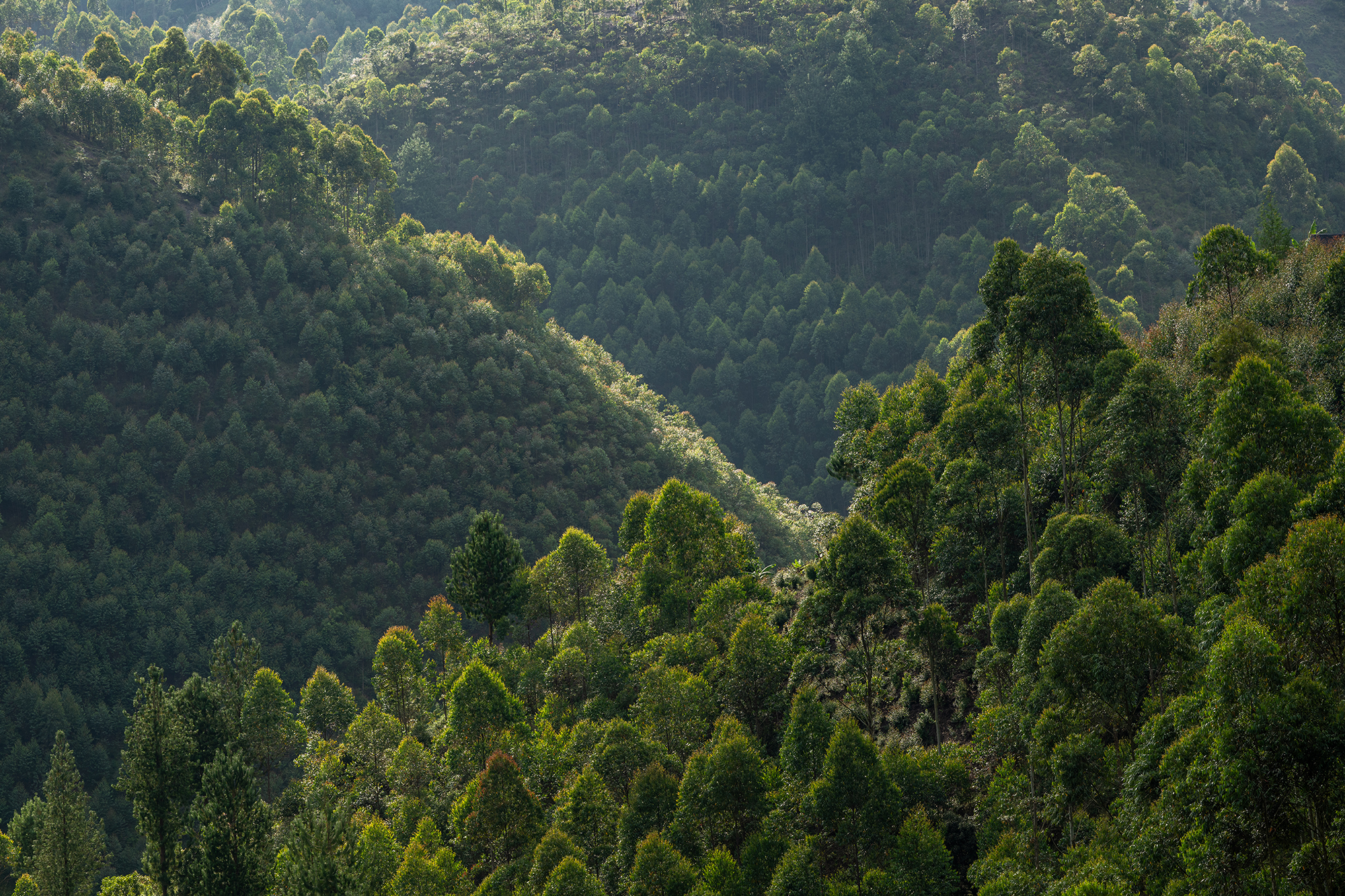
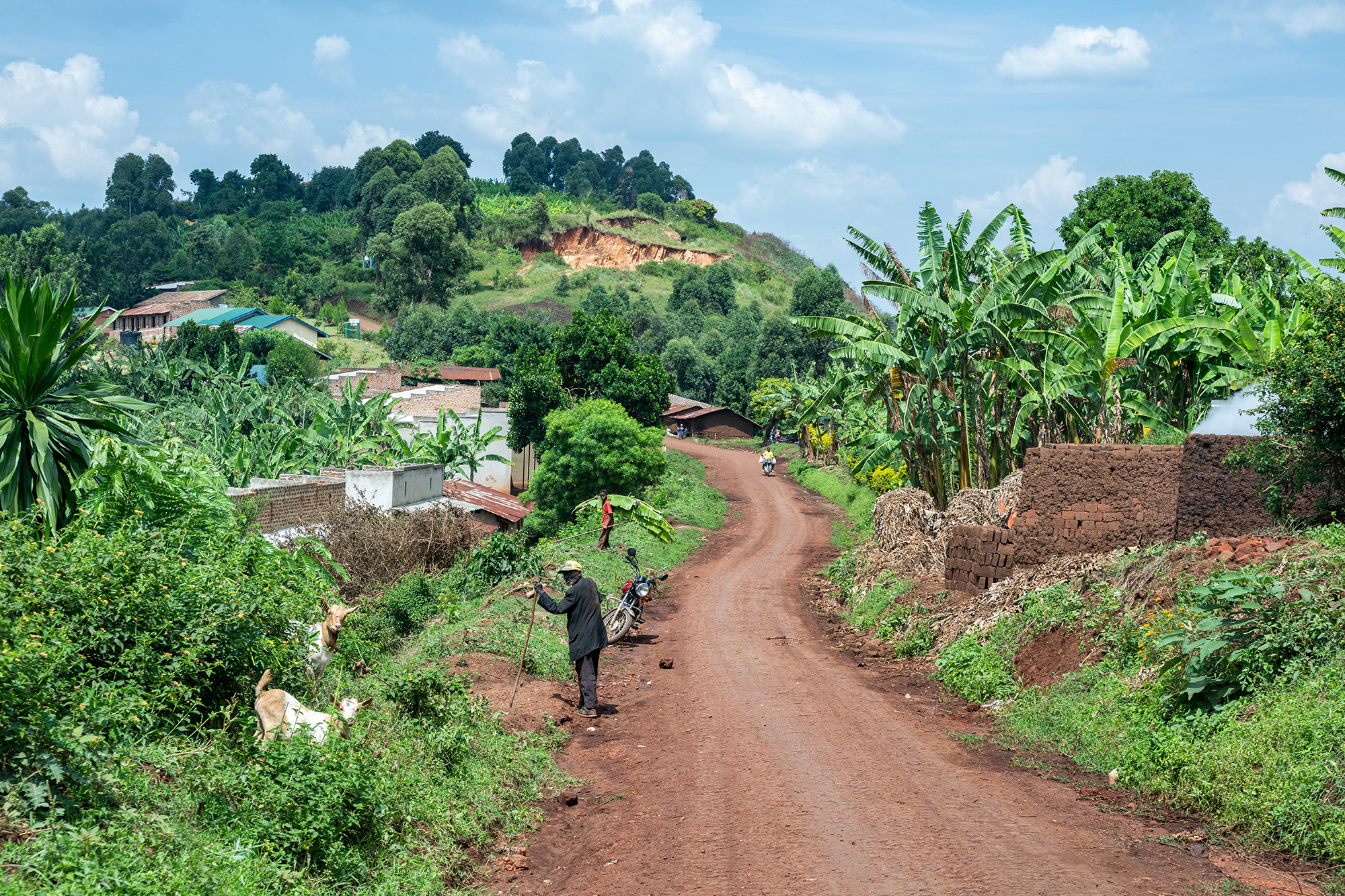
Within the first few hours, one thing becomes clear: adaptability is essential here. Dusty roads, rolling green hills, lively villages — and gradually, nature takes over. The forest becomes denser, more humid, almost impenetrable.
In this ever-changing environment, Guillaume Astruc quickly chose to work mainly with the TAMRON 35-150mm for Nikon Z — a lens versatile enough to react instantly to any situation without interrupting the flow of the moment.
Along the way, scenes constantly shift: an overloaded truck, passengers packed tightly together, fleeting encounters by the roadside. Then, just a few kilometers later, silence takes over, broken only by the sounds of the jungle.
It is precisely this contrast that shapes the entire reportage.
This journey took place as part of a trip organized by the agency Photographes du Monde, with Guillaume Astruc accompanying the group as photographer and tour leader.
Wildlife Everywhere — Yet Never Easy to Capture
Very quickly, one thing becomes clear: nature is everywhere.
And yet, it never reveals itself easily.
A glance appears through the leaves.
A slight movement hints at a presence.
Then, in the next instant, everything disappears again.
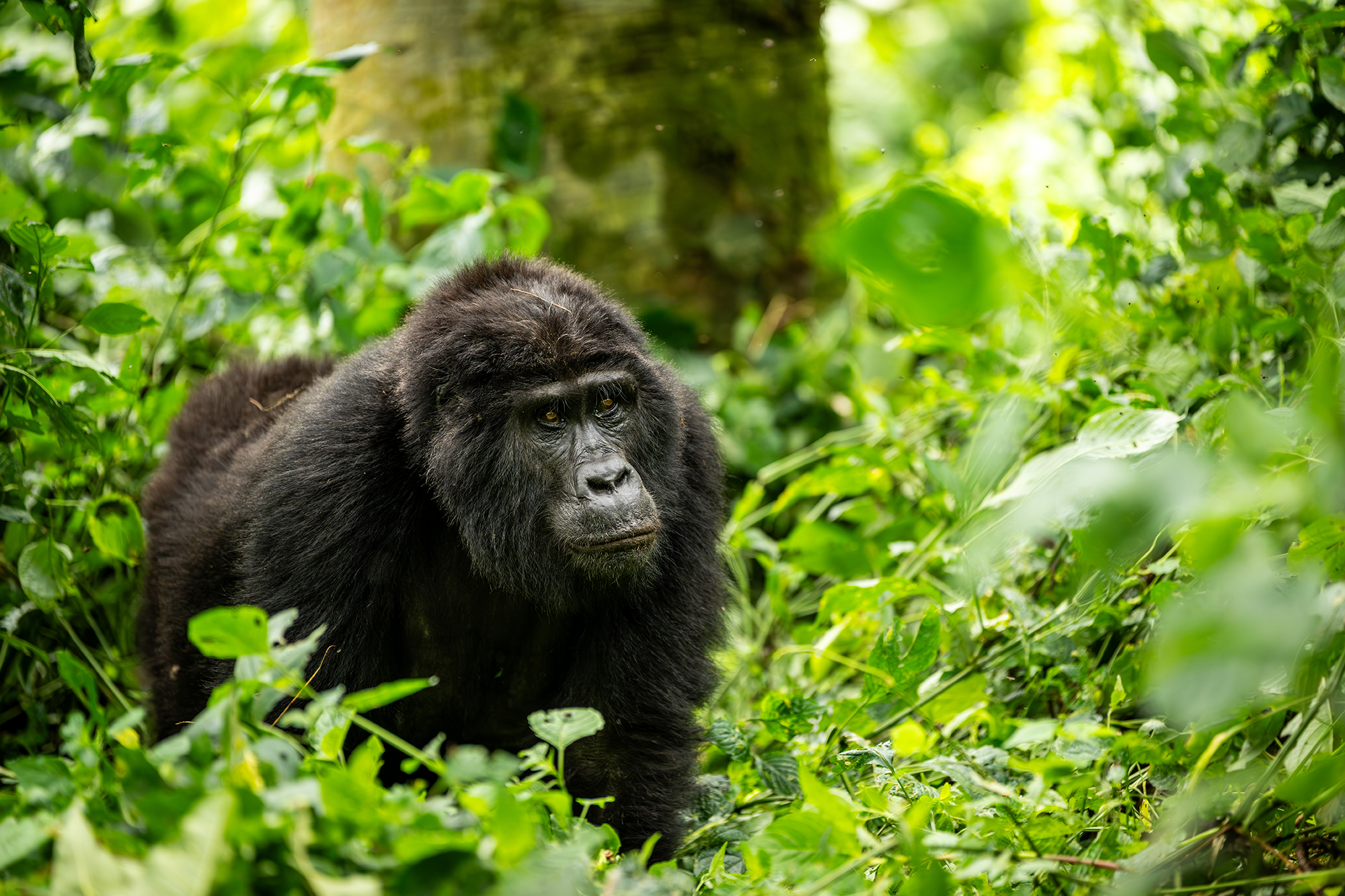
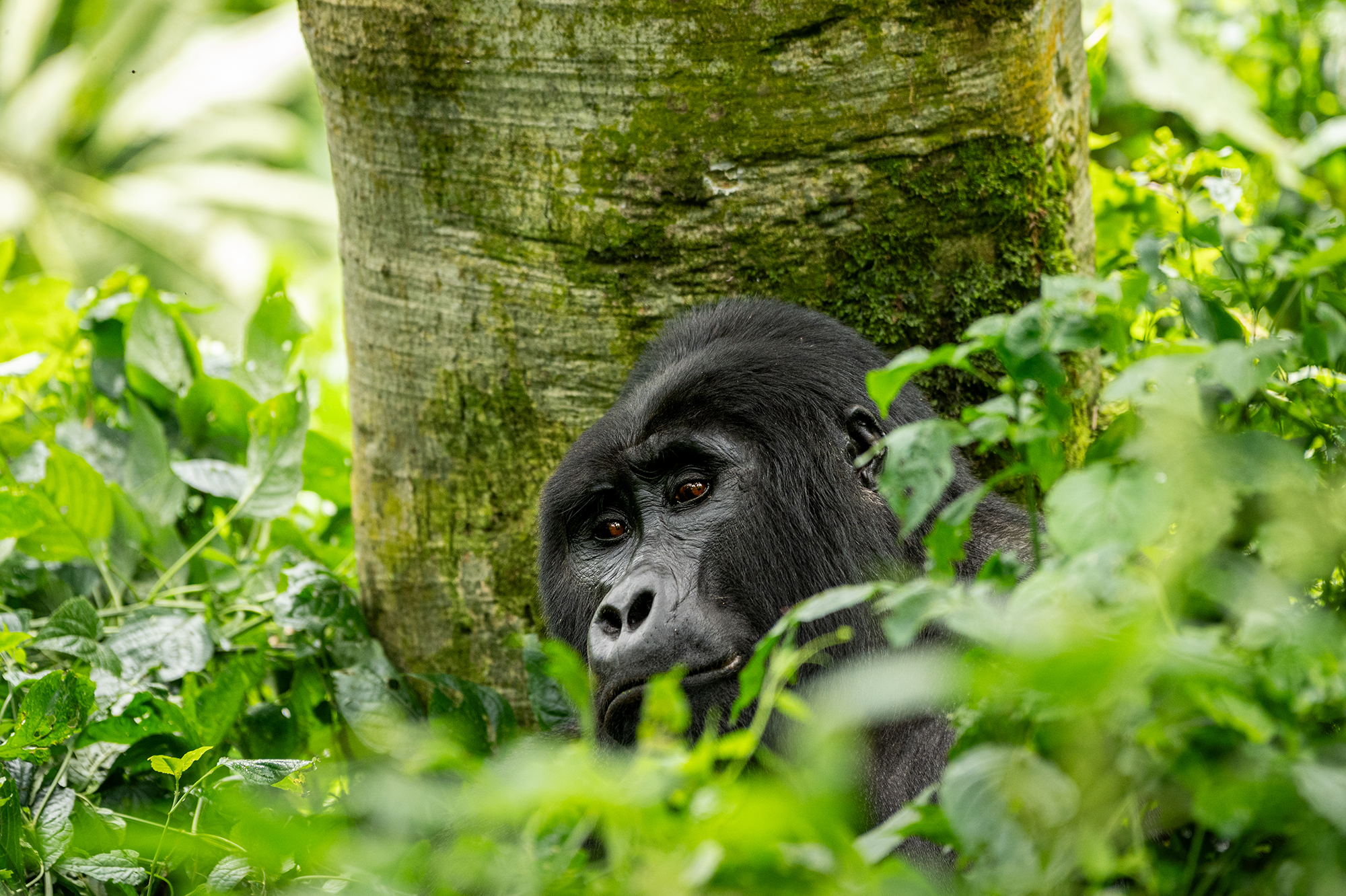
The encounters with the gorillas are, of course, the most unforgettable.
Massive, calm, and powerful, they almost seem unreal.
But the environment holds many other surprises as well:
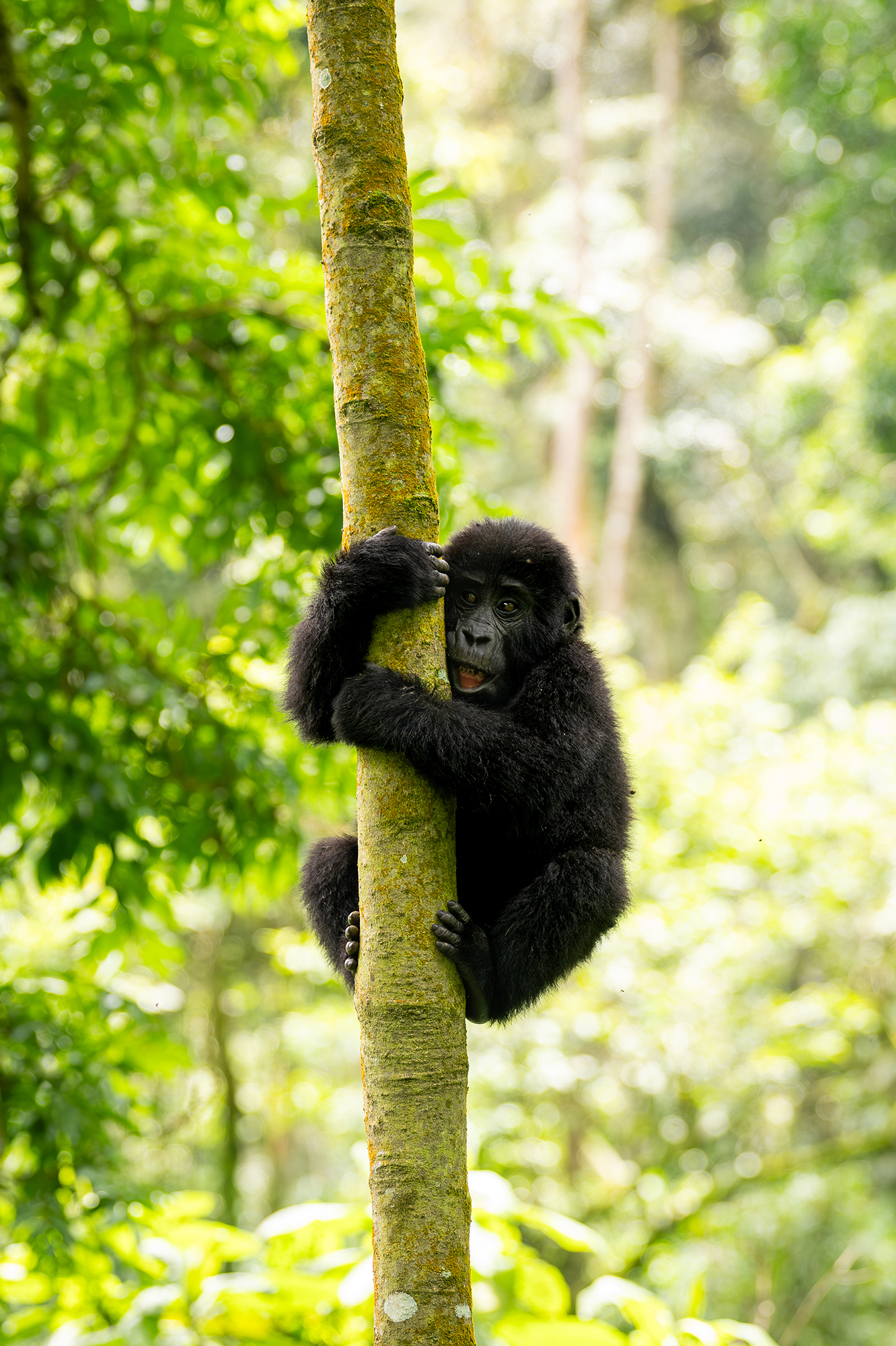
a young gorilla clinging playfully and curiously to a tree trunk
a monkey with striking fur silently observing from the vegetation
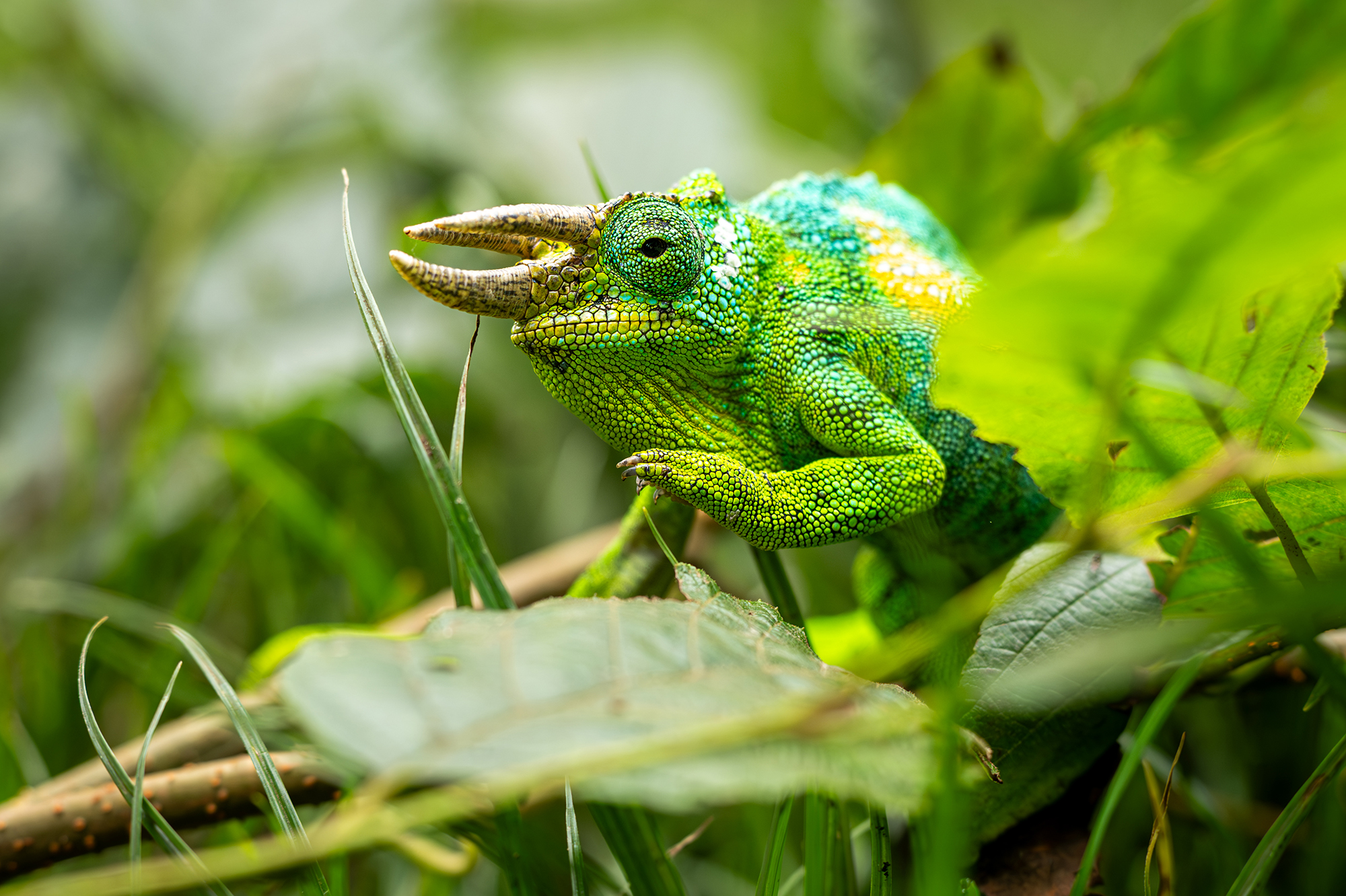
a chameleon perfectly blending into its surroundings, revealed only at the very last moment through its colors and textures
Every encounter is brief, fragile, and unpredictable.
Moments like these also highlight the importance of respecting nature. Photographing wildlife means keeping a respectful distance, understanding animal behavior, and minimizing your impact on the environment as much as possible.
Photographing in the Heart of a Living Forest
In the forest, nothing comes easy.
The vegetation is dense, constantly moving, and often overwhelming.
Branches cut through the frame, leaves conceal the subjects, and the light changes all the time.
In these conditions, photography becomes almost instinctive.
You have to work with whatever the environment gives you, accept the imperfections within the frame, and intentionally include distracting elements to capture the true atmosphere of the place.
Some images reflect this perfectly:
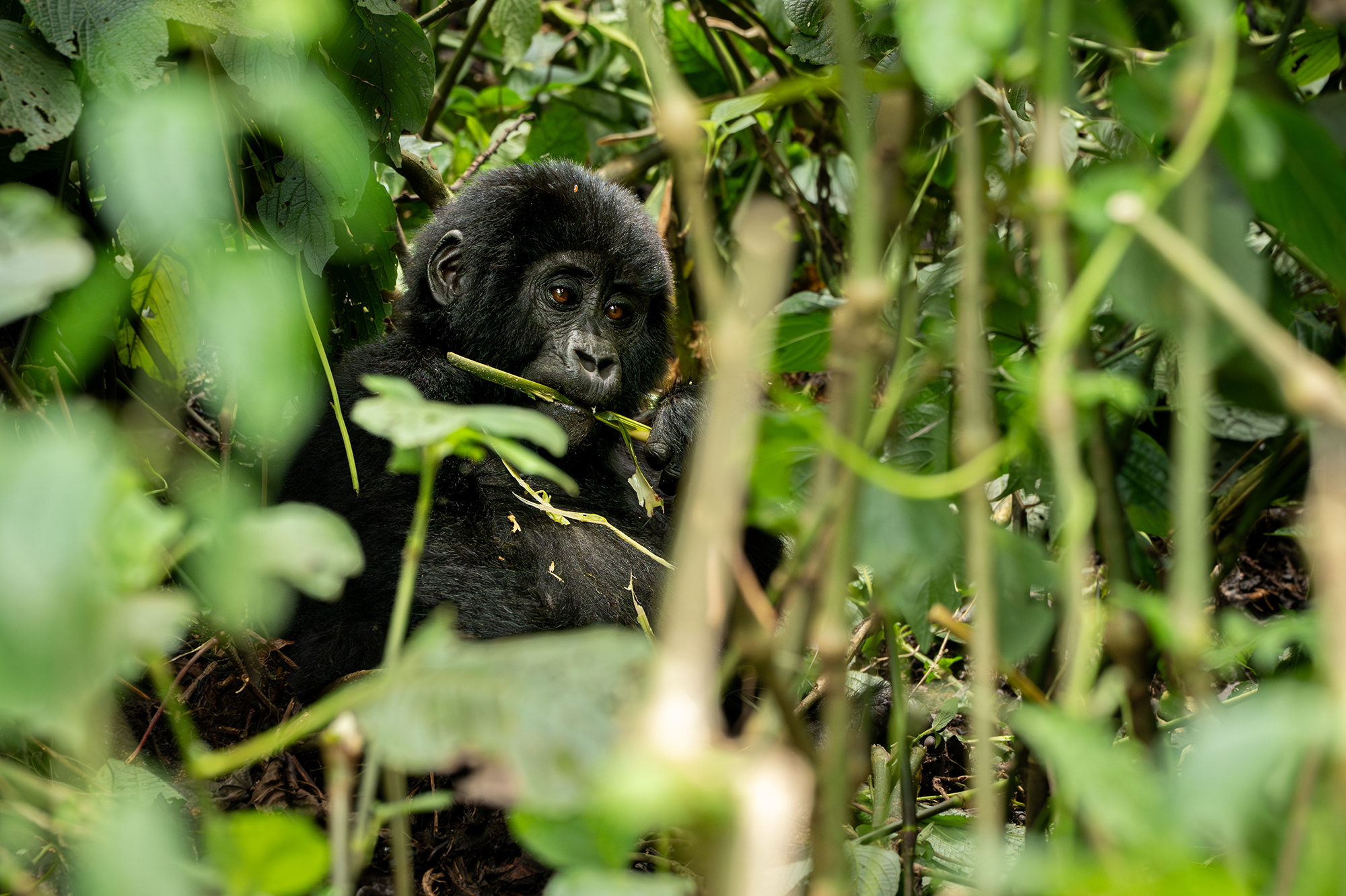
a gorilla only partially visible behind a curtain of leaves, a gaze emerging from dense greenery.
Here, the challenge itself becomes part of the story.
Challenging Yet Fascinating Light
Light in the forest is undoubtedly one of the greatest challenges.
It is often dim, yet sometimes harsh and highly contrasted when sunlight breaks through the canopy above.
These are exactly the conditions where the TAMRON 35-150mm truly shows its strengths.
Its fast aperture makes it possible to:
maintain fast shutter speeds, even in scenes with movement
keep ISO levels as low as possible
and above all, separate subjects clearly from their often visually busy surroundings
The result feels natural: a soft, smooth bokeh that highlights the subject without completely isolating it from its environment.
This creates a subtle visual balance that naturally guides the viewer’s eye.
Versatility That Makes a Difference in the Field
One of the key lessons from this journey was how important it is to be ready at any moment.
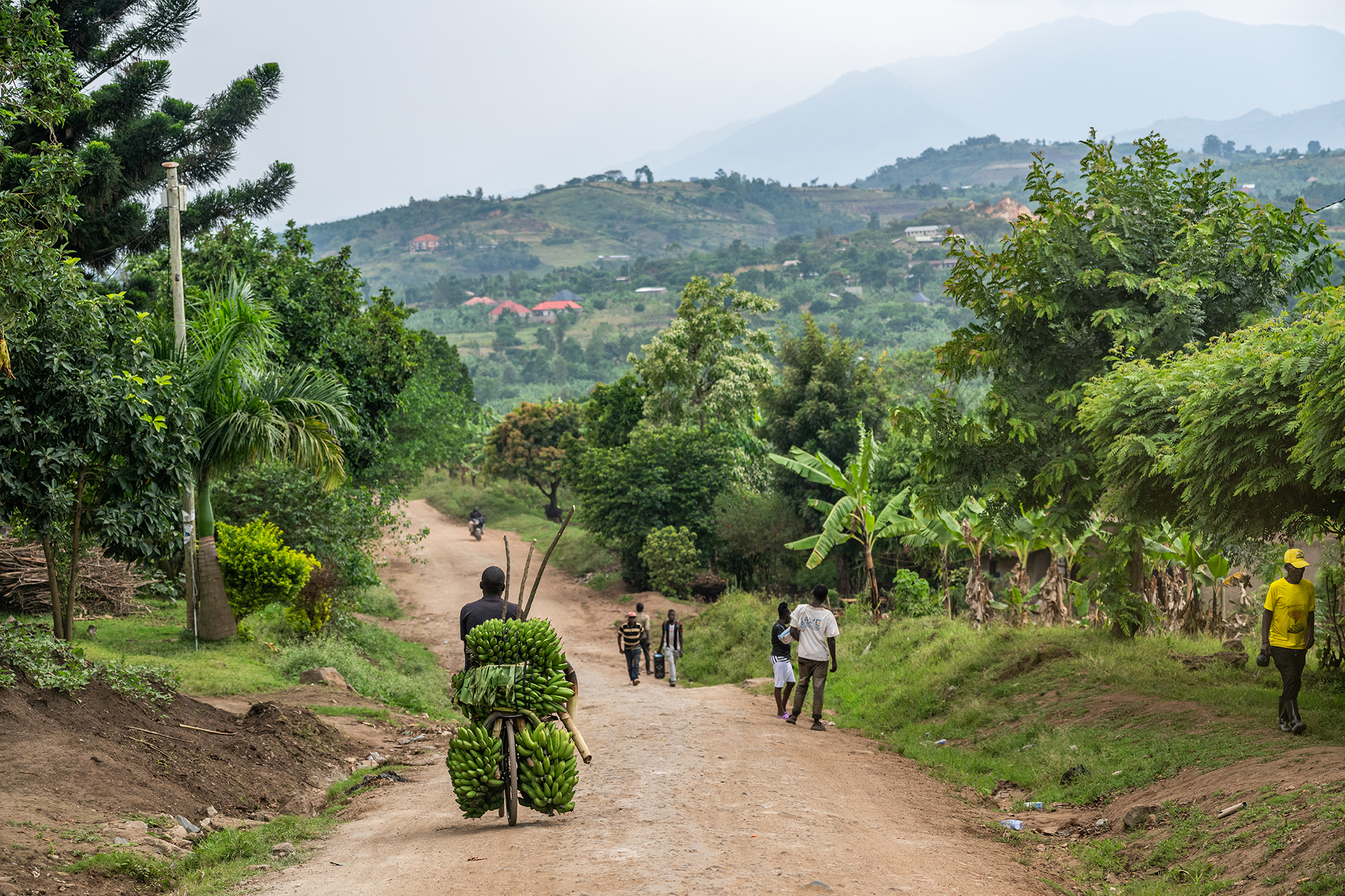
Along a dirt road, a scene suddenly unfolds: a motorbike carrying large bundles of bananas, a fleeting interaction, a spontaneous composition.
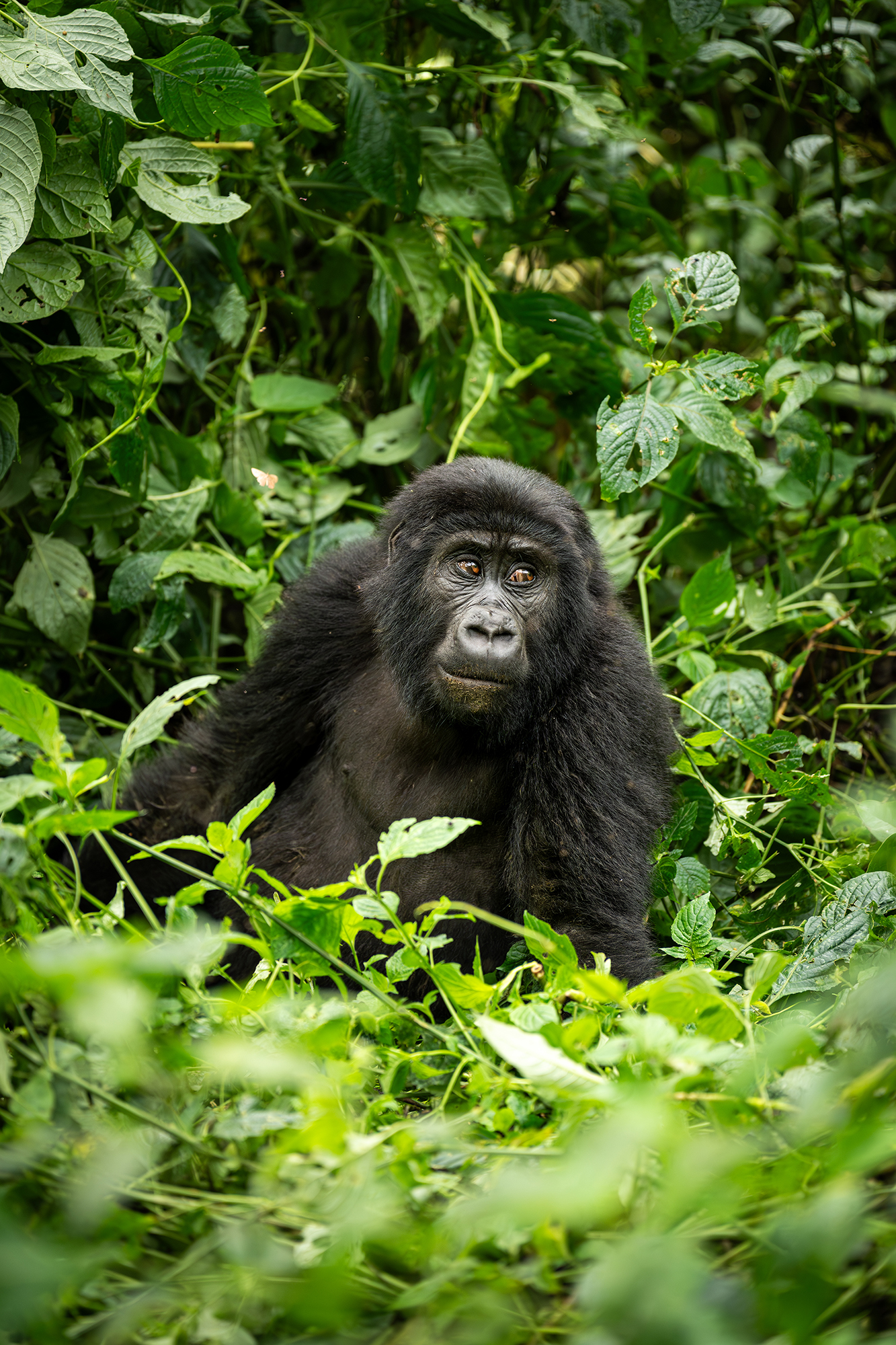
Then, just a few hours later, a gorilla appears only a few meters away in the middle of the forest.
These are exactly the situations where the TAMRON 35-150mm focal range proves its value.
At 35mm, it becomes possible to capture the environment, convey the atmosphere of a place, and give context to the scene.
At 150mm, the focus shifts to something more intimate:
an expression
a gaze
a small detail
And all of this without interrupting the moment.
Photography Without Interruption
One of the most striking aspects of this journey was the incredible flexibility required in the field.
In an environment like this, changing lenses often means missing the decisive moment.
Because here, everything happens within seconds.
A young gorilla climbs a tree, pauses for a moment, looks over — then disappears back into the dense vegetation. An animal briefly crosses an open space before blending into the forest once again.
The TAMRON 35-150mm makes it possible to capture these scenes without interruption. Its fast and precise autofocus remains reliable even in complex environments, keeping the subject sharp and locked in focus, even when moving.
It is exactly this seamless way of working that ultimately makes all the difference.
From Detail to Landscape: Telling the Story of a Country
This journey goes far beyond wildlife photography — it is also about capturing the spirit of Uganda itself.
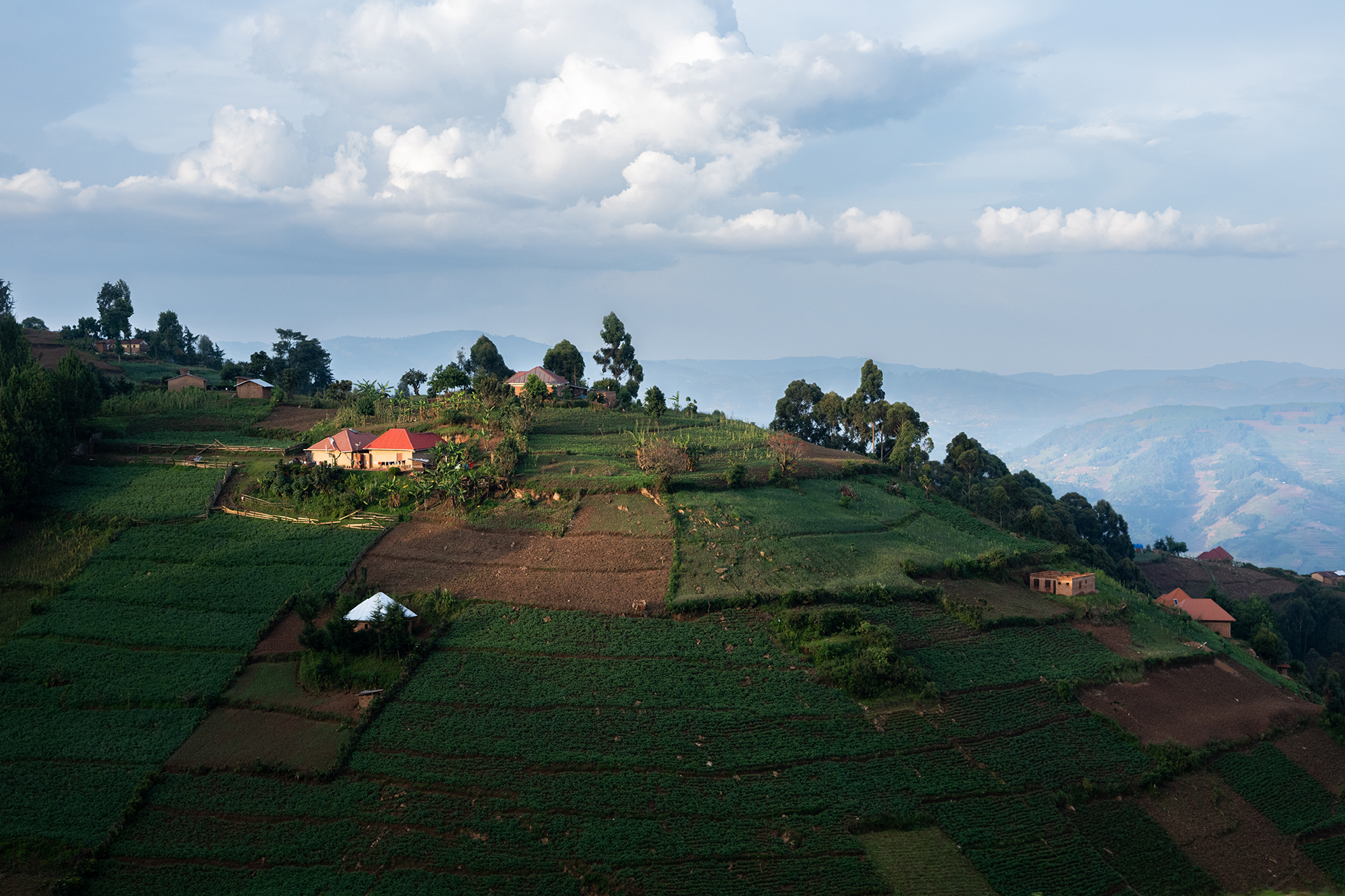
The rolling hills, terraced fields, and ochre-colored roads winding through small villages shape the atmosphere of the country just as much as its wildlife does.
With the same lens, it becomes possible to capture very different impressions:
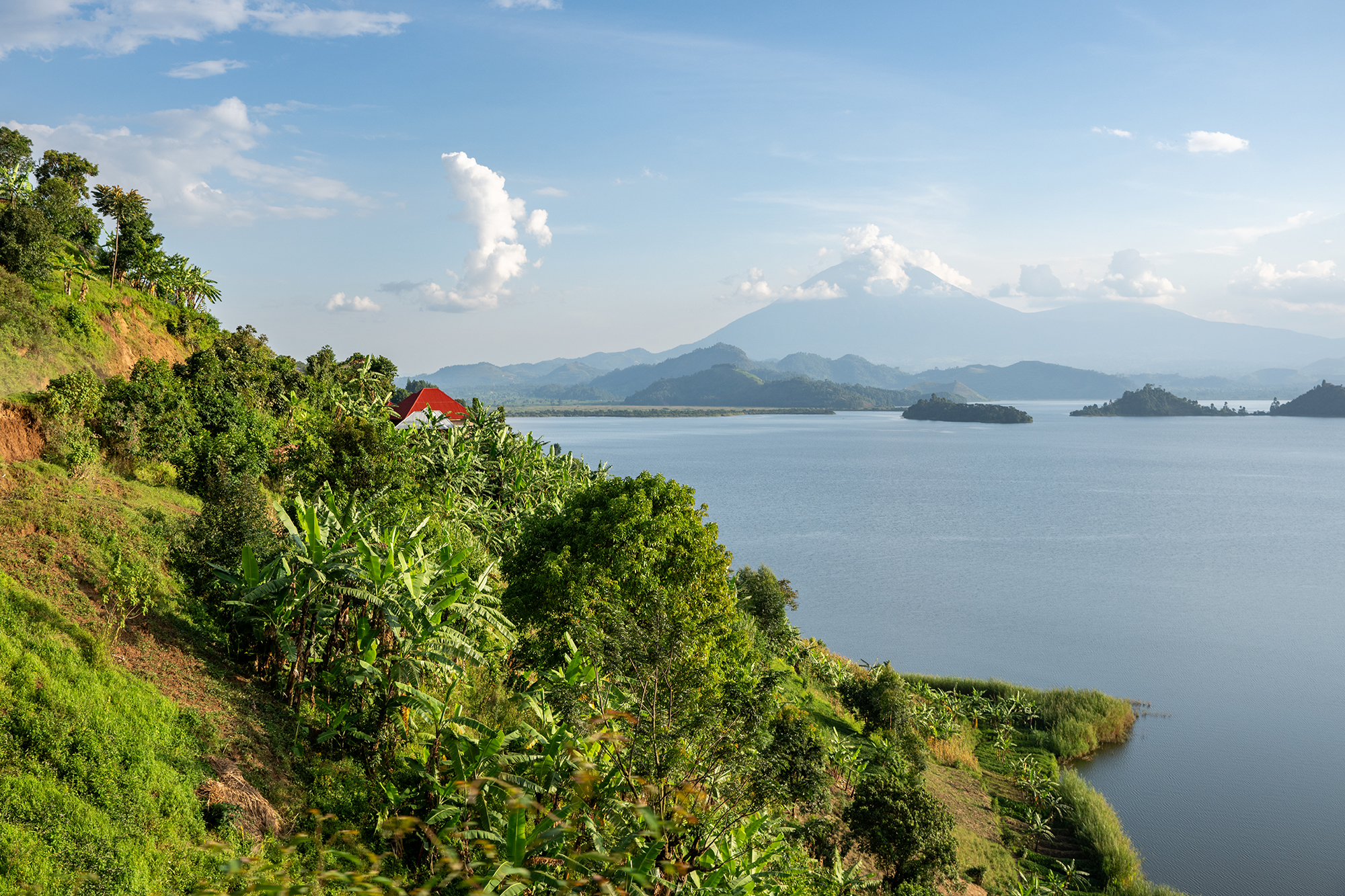
the vast landscape of a lake surrounded by hills
the dense, almost tangible atmosphere of a forest crossed by a river
or spontaneous everyday moments along the roadside
Each image becomes another piece of the story.
A Freer, More Intuitive Way of Photographing
Over time, one thing becomes increasingly clear:
The simpler the gear, the more space there is for the moment itself.
Less equipment means fewer distractions.
And fewer distractions mean being more present.
Technical considerations fade into the background.
Instead, the focus shifts to observing, anticipating situations, and pressing the shutter at exactly the right moment.
This sense of freedom can also be felt in the images:
spontaneous shots captured in the middle of the action
natural, effortless compositions
and a genuine sense of closeness to the subject
Conclusion: Staying Close to the Real Moment
This reportage from Uganda highlights one simple reality:
Wildlife photography is, above all, about adaptability.
Between dense forests, extraordinary wildlife, and spontaneous encounters along the way, you constantly need to react quickly and remain flexible.
In these conditions, the TAMRON 35-150mm proved to be the ideal companion:
versatile
fast-aperture
quick and precise
and flexible enough to handle a wide variety of situations in the field
One single lens — and endless possibilities for capturing authentic moments.
About the author: Guillaume Astruc
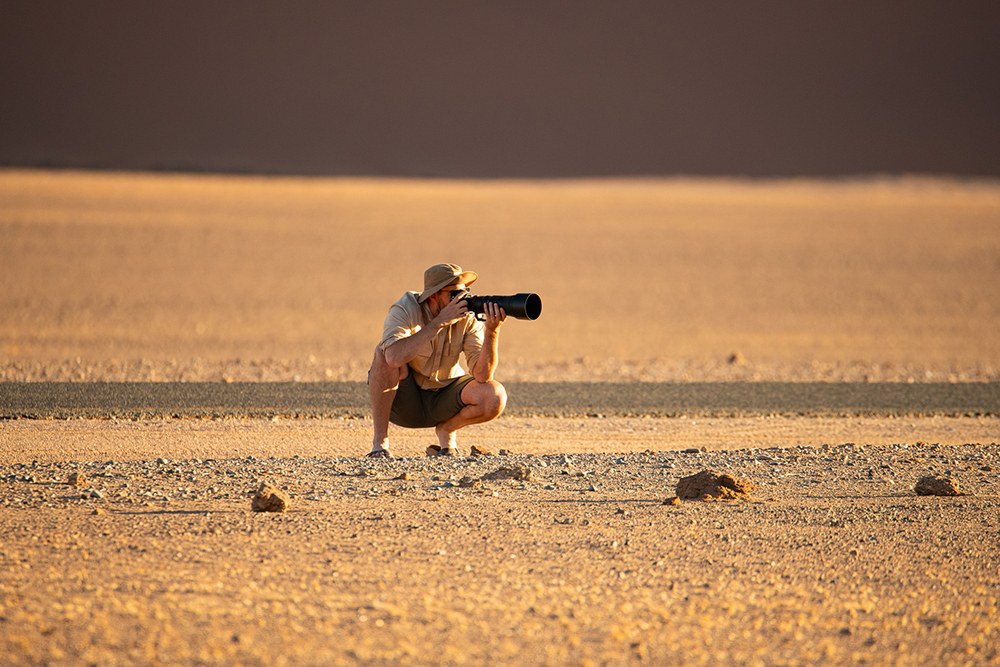
Guillaume Astruc is a professional photographer specializing in wildlife and nature photography. Through his travels and extended time spent in the field, he captures wild animals in their natural habitats with a respectful approach that focuses on their behavior and environment. Through his images, he aims to showcase genuine, unposed moments and highlight the unique connection between animals and nature. At the same time, he hopes to raise awareness about the importance of protecting wildlife and the natural world. En parallèle de son activité, il intervient lors de conférences et accompagne des voyages photo avec Photographes du Monde, où il partage son approche et son expérience du terrain. Son regard, nourri par des années d'exploration urbaine et de voyages, traverse les frontières des genres sans jamais quitter ce fil conducteur : la forme avant le récit, la sensation avant le document.
TAMRON products mentioned in this article
35-150mm F/2-2.8 Di III VXD
Model A058
