
3 Mar 2026 / Olivier Unia
“Falling and Rising Again” – The Story of an Image
“Falling and Rising Again” – Meeting Olivier Unia, Winner of the Sony World Photography Awards 2025
by Olivier Unia
We met Olivier Unia at the “Salon de la Photo” in Paris, six months after his triumph at the Sony World Photography Awards 2025. The French photographer, who has lived in Morocco for 17 years, received this prestigious award for a deeply moving image captured during a Tbourida — a spectacular Moroccan horse show.
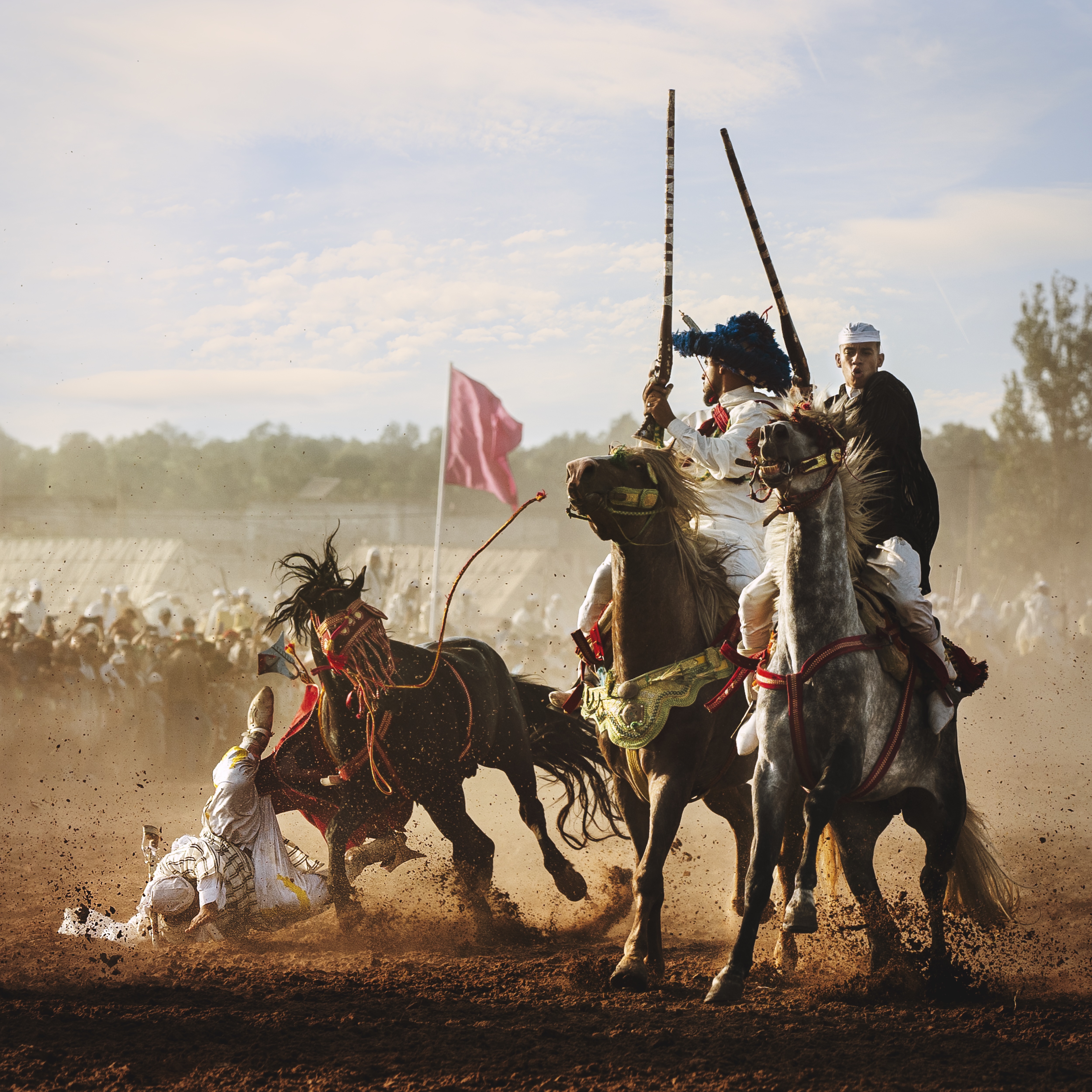
The photograph, taken with the TAMRON 35–150mm F/2–2.8 Di III VXD (Model A058), freezes a suspended moment in time: a rider mid-fall, surrounded by dust and golden evening light. For some, it shows a scene of failure — for him, however, it is a metaphor for life itself: falling, rising, and moving forward — “you must be brave to get back on the horse.”
A meeting with a free-spirited, sincere photographer who is always ready to seize the fleeting spark of emotion.
Olivier, can you tell us how this exceptional image came to be?
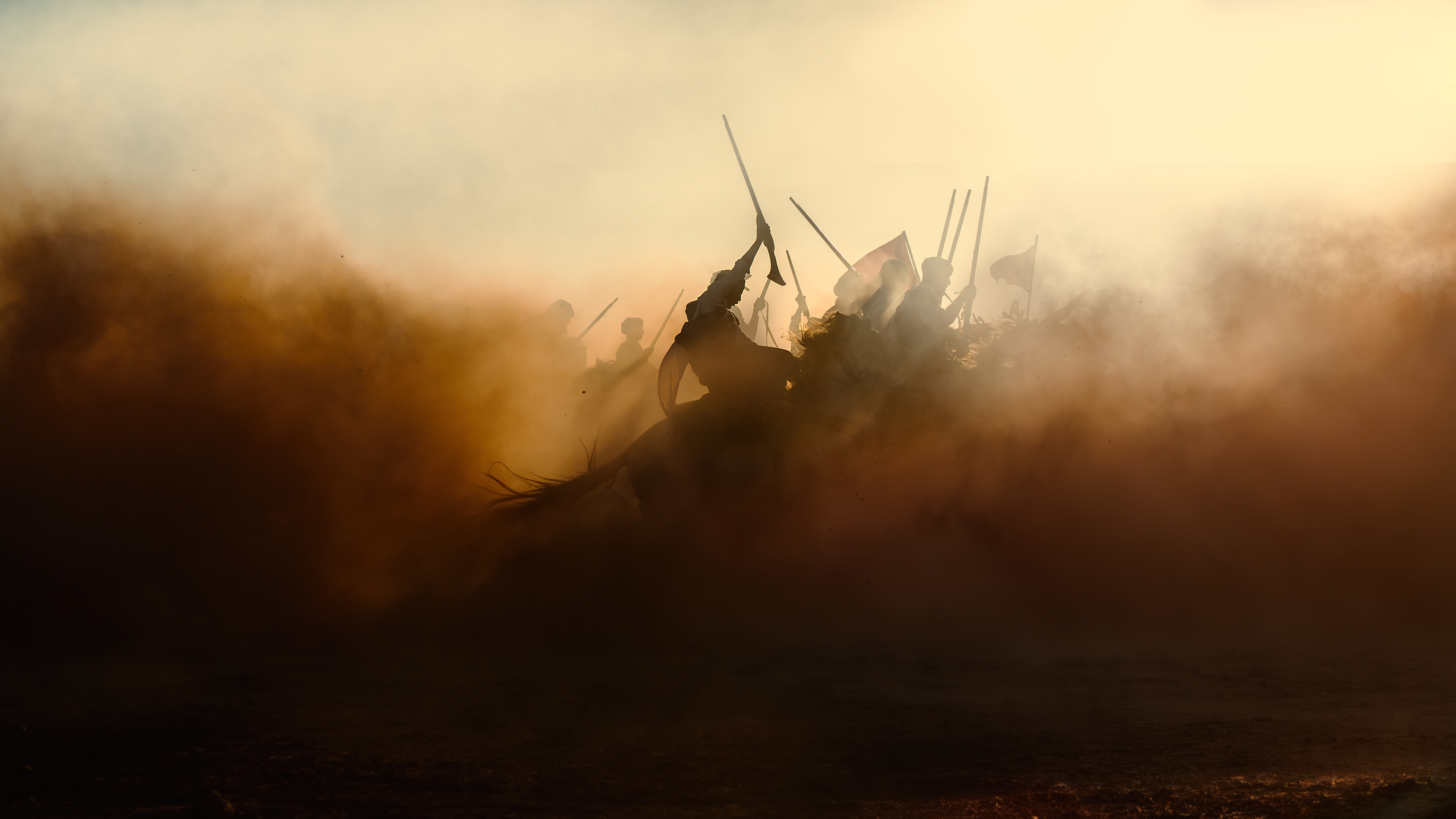
The Tbourida dates back centuries and is deeply rooted in Moroccan culture. Its name comes from the Arabic tbaroud, referring to these displays in which riders charge forward in perfect coordination and fire their rifles in unison. This spectacular ritual embodies bravery, mastery, and the warrior heritage of Moroccan horsemen. Since 2000, Tbourida has also been an officially regulated sport, with competitions held throughout the kingdom, and is now recognized as part of UNESCO’s Intangible Cultural Heritage.
For photographers, it is an intense moment — everything happens incredibly quickly. Most people shoot the horses head-on, perfectly aligned, as the riders fire black powder into the air — the focus is on achieving the ideal group synchronization.
I, however, approached it differently, standing slightly aside, almost like an invited observer. I wanted to capture something else, to take a step sideways, to break out of the usual frame. I try, in all humility, to follow a more artistic than documentary approach. And that is precisely where the photo of the “fall” reveals its full meaning. It breaks with the expected image: in a setting where strength and performance normally dominate, I captured a profoundly human moment — vulnerability. Some even advised me to delete it, because culturally it might be seen as failure. But to me, falling is part of a rider’s life. This image is a symbol. It represents the courage and strength to rise again. For me, it is a powerful metaphor for resilience and bravery.
You seem to have a special connection to horses — is that right? Tell us more.
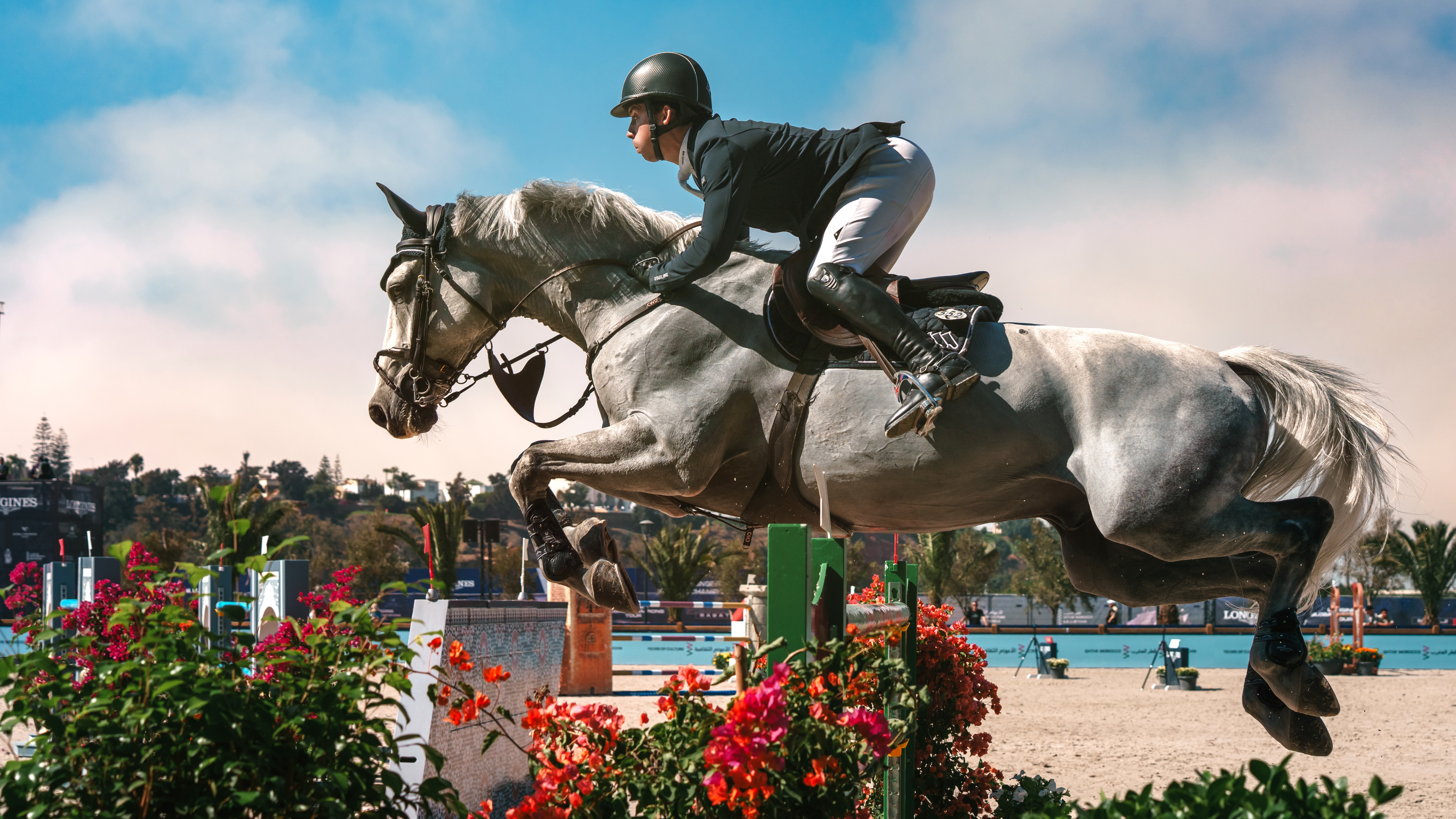
Yes, that’s true — it goes back to my childhood in Brittany, where I spent years riding, especially show jumping. In my club, I was even a trainer at about 14. Falling is part of the training; you learn not to see it as failure and to overcome your fears. These years helped me understand the unique bond between rider and horse and taught me resilience. I like to reflect this almost symbiotic connection in my horse photography.
Recently, I photographed a show-jumping competition of the Longines Global Champions Tour (featuring the 40 best riders in the world). It’s incredible how deeply horse and rider are connected — people even say their hearts synchronize during the course. I wanted to capture this emotional interplay with my camera, and this intimate understanding helps me portray such moments authentically.
Why do you use the TAMRON 35–150mm for events like these?
I have a special relationship with this lens. During the Covid period, I decided to pursue photography more seriously. I’ve always been a bit of a tech nerd, and a review by Damien Bernal of the 35–150mm convinced me to try it. I remember asking a friend in France to order it immediately — a good intuition, since it turned out to be one of the few available copies before supply shortages hit worldwide.
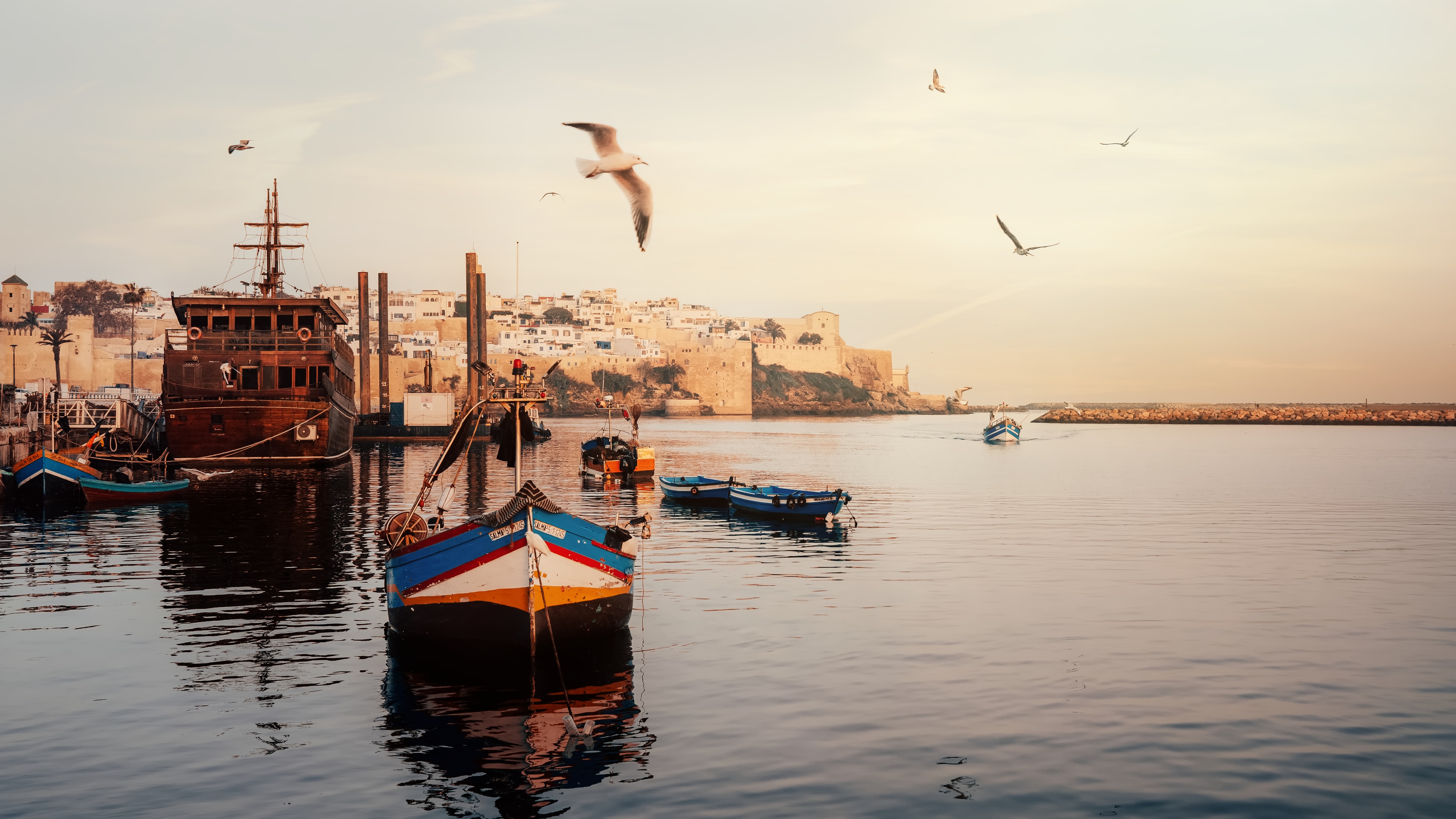
I used this lens for my first exhibition, “Street Photography,” in Rabat in 2022. The results were impressive. I barely touched my 24–70mm anymore — I only went out with the 35–150mm, which opens up to f/2. It offered me perspectives and angles I would never have captured otherwise.
What convinced you of this versatile approach?
I want to emphasize that I don’t only shoot horses — my interests are broad (street photography, concerts, and more). In every situation, what matters to me is versatility combined with quality — two parameters that are not easy to unite, yet this 35–150mm lens offers both in a unique way. I can shoot about 98% of my images with this lens alone. The creative freedom it gives me is essential. Action is a core element of everything I photograph — it shapes my style — and this lens helps me capture decisive moments without losing time.
Some say prime lenses are the best choice — everyone has their own view, but personally, I disagree. For me, the most important thing is to capture the moment — whether gentle or abrupt. The focal range of this zoom ensures I never miss those fleeting instants. Instead of swapping lenses or cameras, I can react immediately. This lens enabled me to capture the rider’s fall — a moment I might otherwise have missed. And those are the moments I value most.
How do you use this lens in street photography?
In street photography, spontaneity is essential. I walk around, observe faces and expressions, and whenever a moment, a look, a face touches me, I immediately take the photo — sometimes without warning the person beforehand. Afterwards, I show them the image, and if they agree, I publish it.
Unlike classical street photography, I rarely use wide angles. In the countries where I often shoot, street photography isn’t always well-accepted. So I adapted: I get closer, zoom in, and avoid including multiple people in the same frame, as each person could object. Over time, this evolved into a kind of “stolen portraiture” in public space.
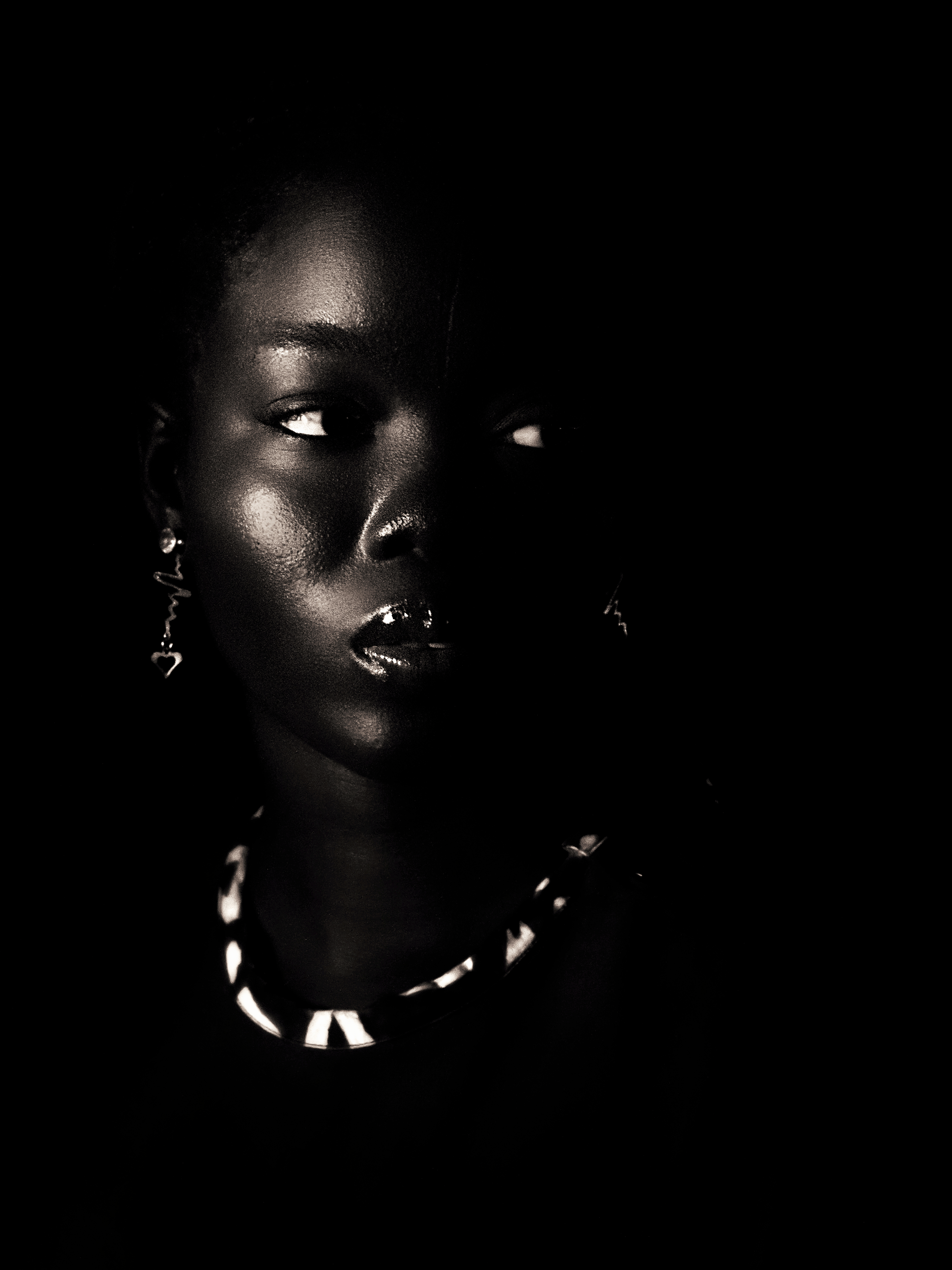
One example: Once in Benin, after a music festival, I saw a woman in the darkness. With no streetlights, I could barely photograph her beautiful face — until suddenly, as if by magic, the headlights of a passing car lit her for a split second. Then she vanished into the crowd. Later, friends recognized her: she was a TV host for Canal+ International. I contacted her through social media — she loved the photo, and we are still in touch. On my next trip to Benin, we’ll do a proper photo shoot together.
This lens allows me to switch focal lengths quickly and capture the emotion of the moment, even in low light. It facilitates encounters and human connections — and that, to me, is the magic of street photography.
What are your upcoming projects?
I’m working on several projects, including a book documenting two years of photographic work around the Tbourida, as well as new exhibitions and conferences. Now that I’m also represented by an image agency, I’m developing ideas for reports and documentaries. I want to continue creating work that carries meaning — both human and aesthetic. The 35–150mm will undoubtedly remain my most important tool to capture these moments.
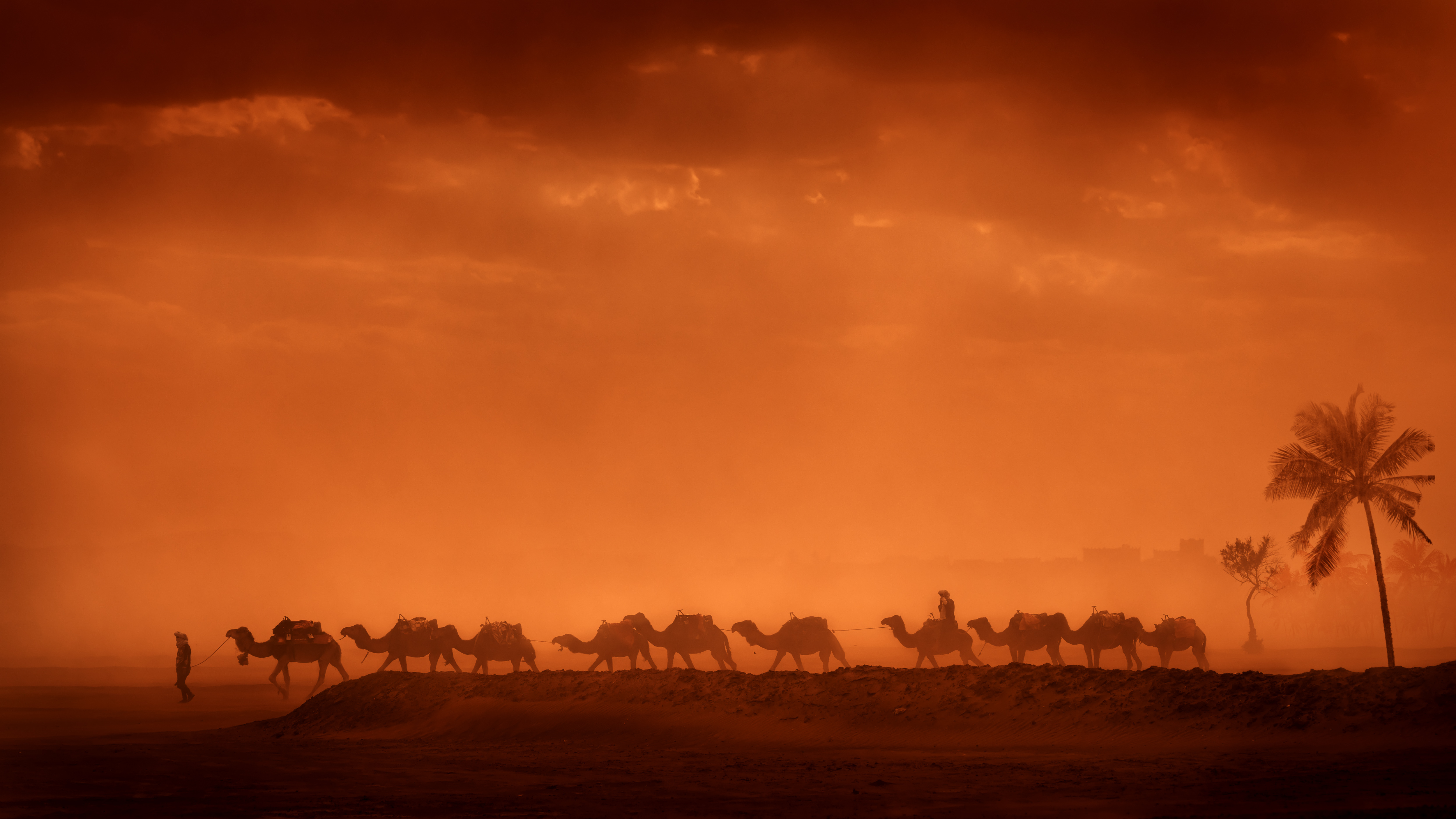
TAMRON 35-150 mm - 92 mm - F/3.5 - 1/1600 s - ISO 100
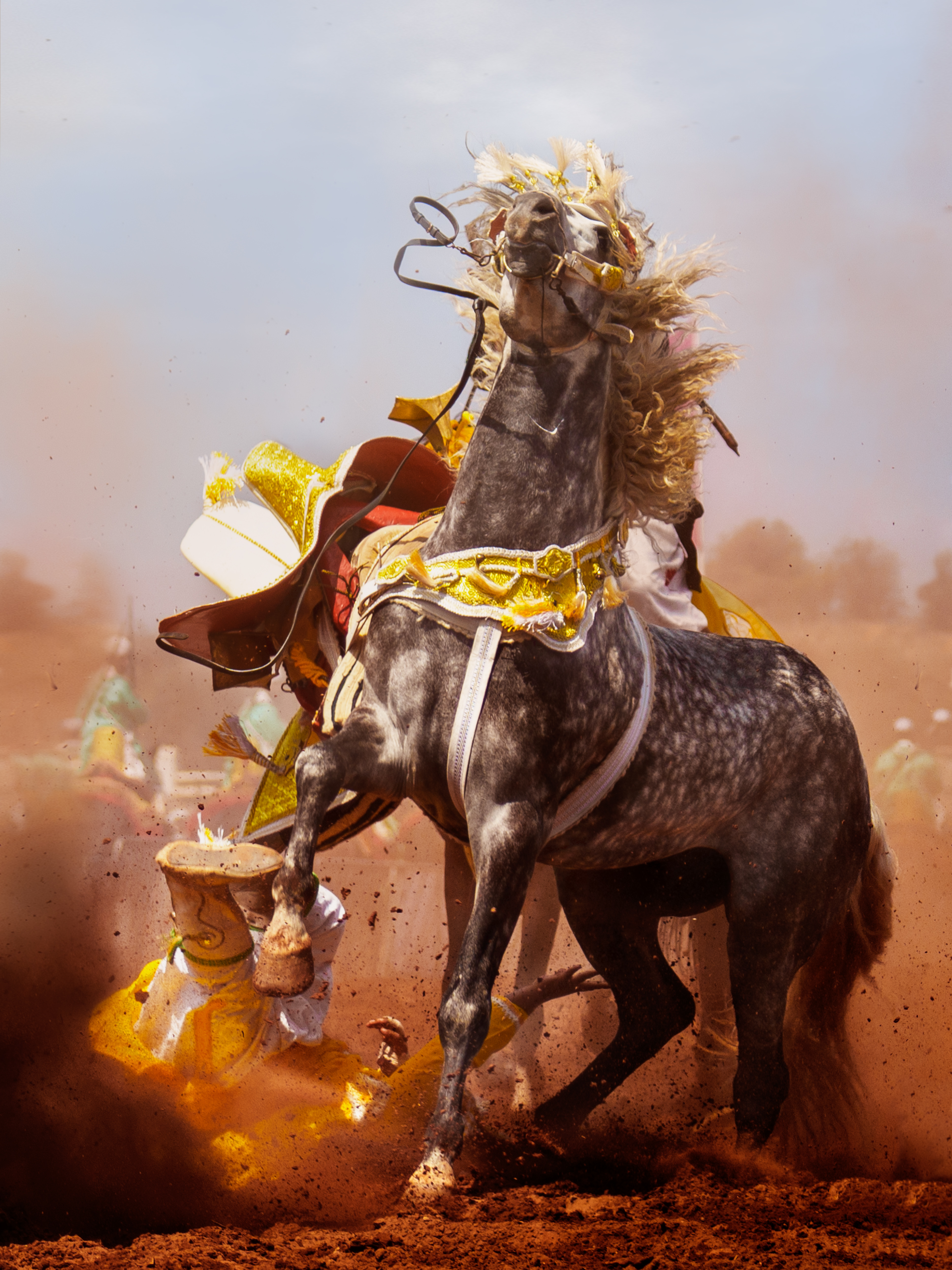
TAMRON 35-150mm + Sony A74- 1/250 - f/5 - ISO 125 - 150mm
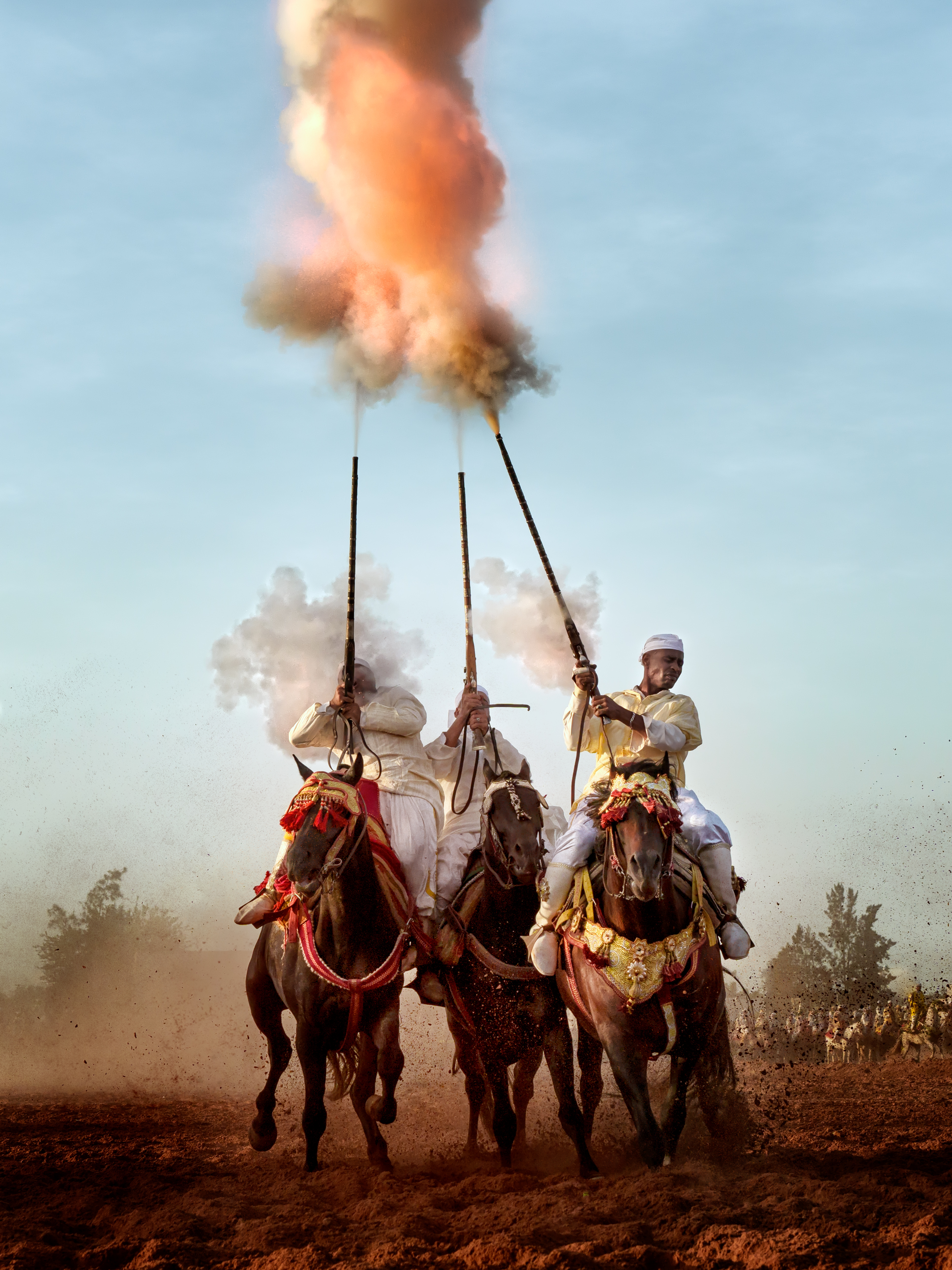
TAMRON 35-150mm + Sony A74- 1/2000 - f/5,6 - ISO 320 - 55mm
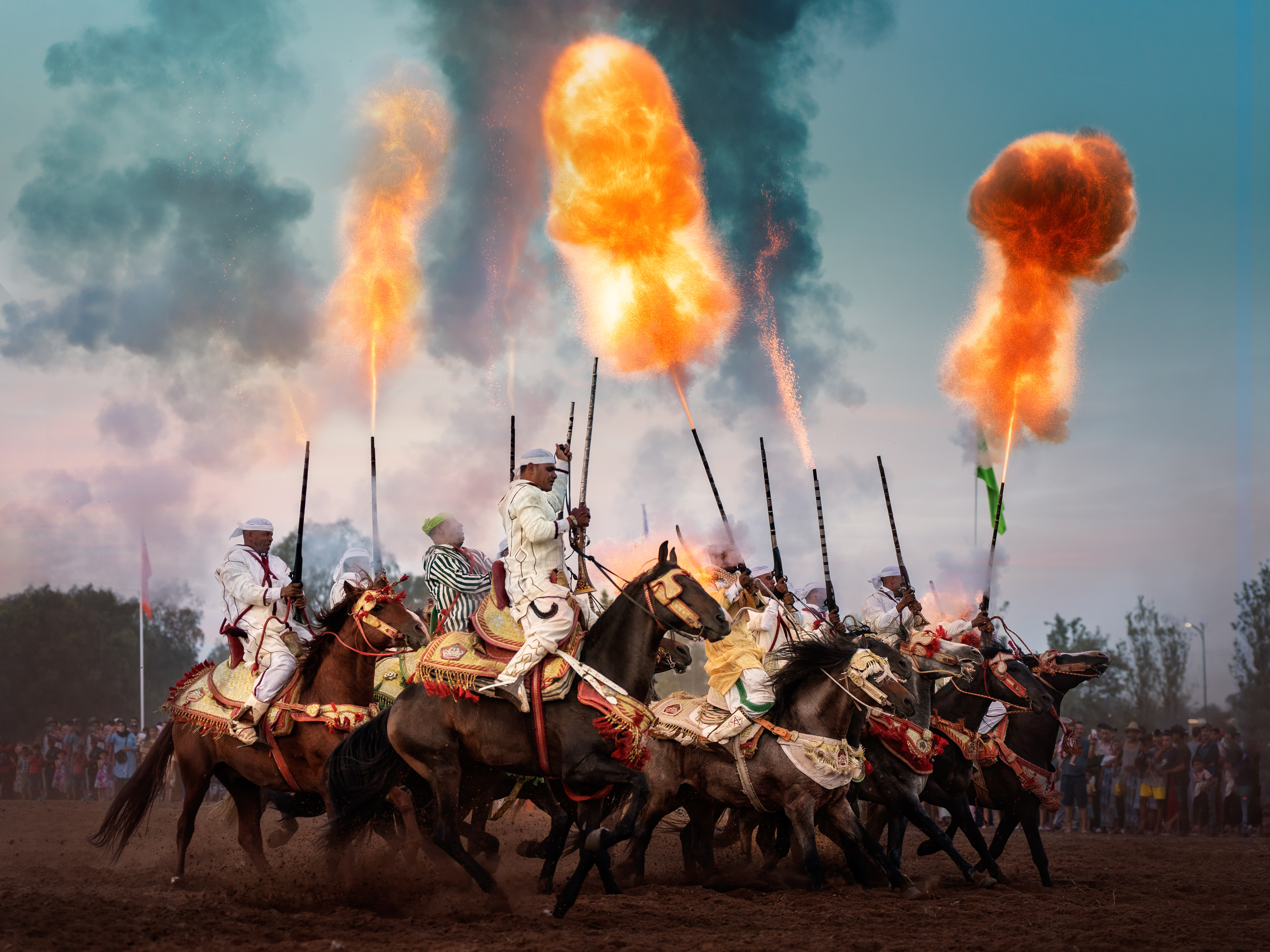
TAMRON 35-150mm + Sony A74- 1/800 - f/2,8 - ISO 500 - 82 mm
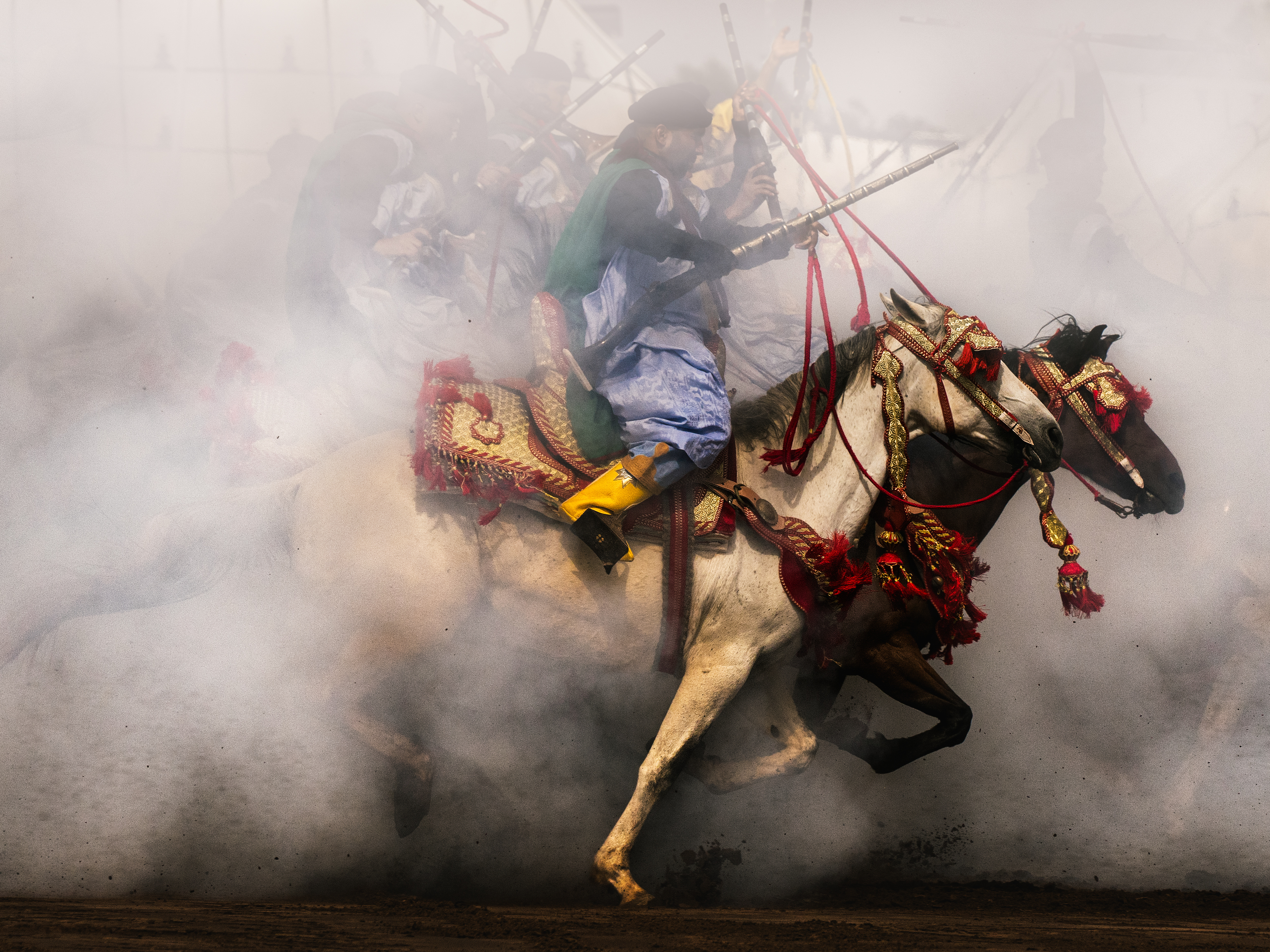
TAMRON 35-150mm + Sony A7CR- 1/4000 - f/5 - ISO 320 - 150mm
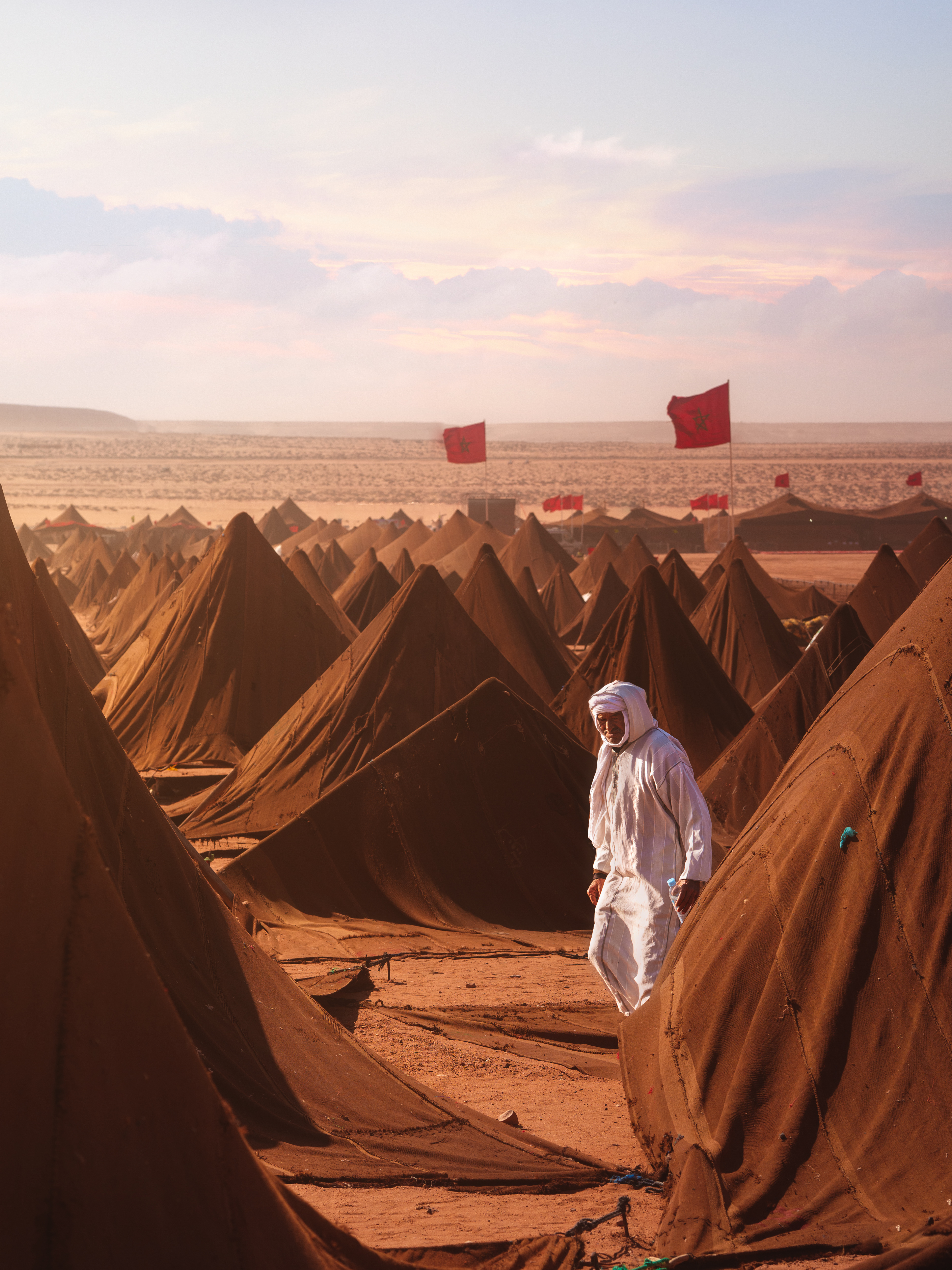
TAMRON 35-150mm + Sony A7CR- 1/1600 - f/4.5 - ISO 100 - 66mm
TAMRON 35-150mm + Sony A7CR- 1/4000 - f/5 - ISO 320 - 150mm
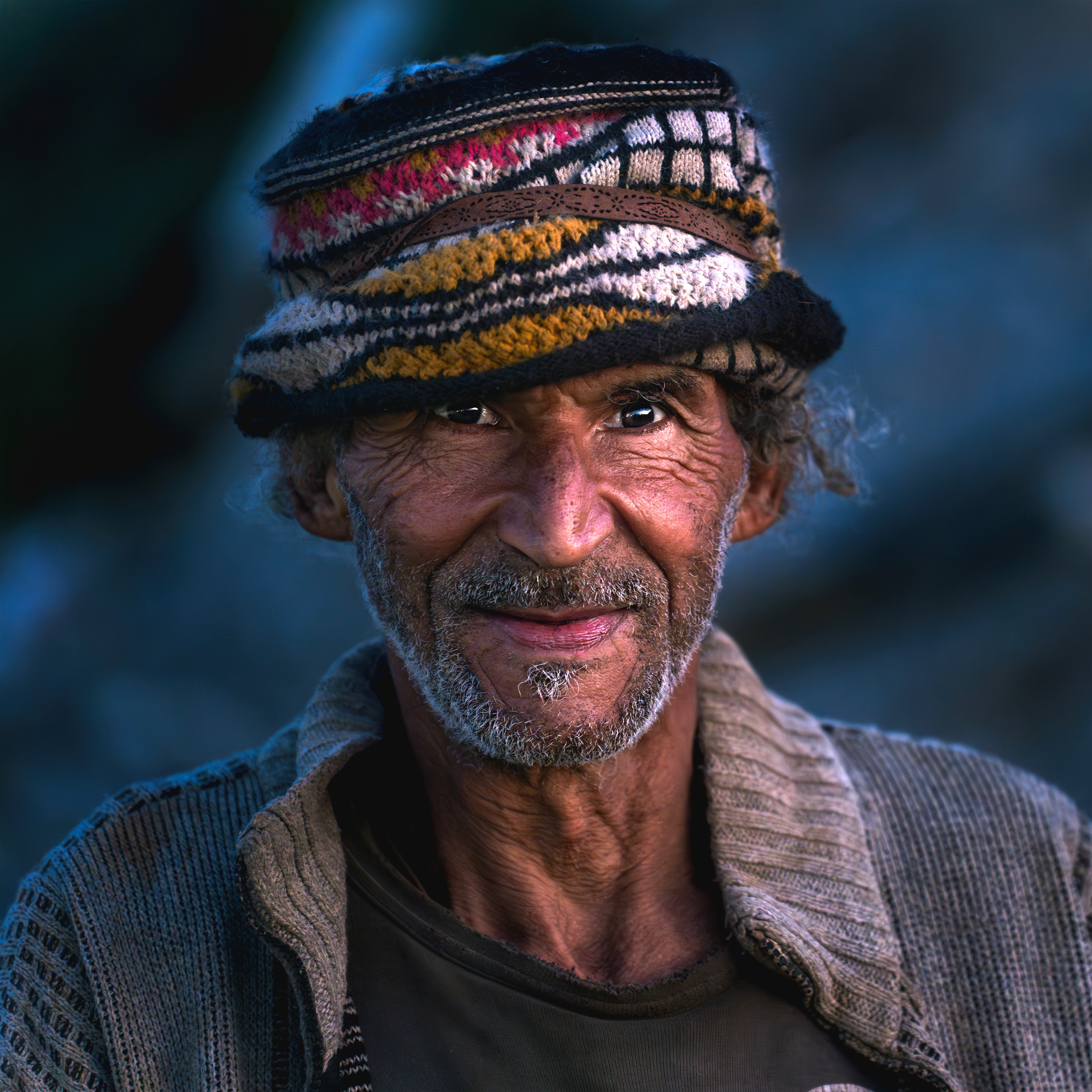
TAMRON 35-150mm + Sony A74- 1/125 - f/2.8 - ISO 640 - 129mm
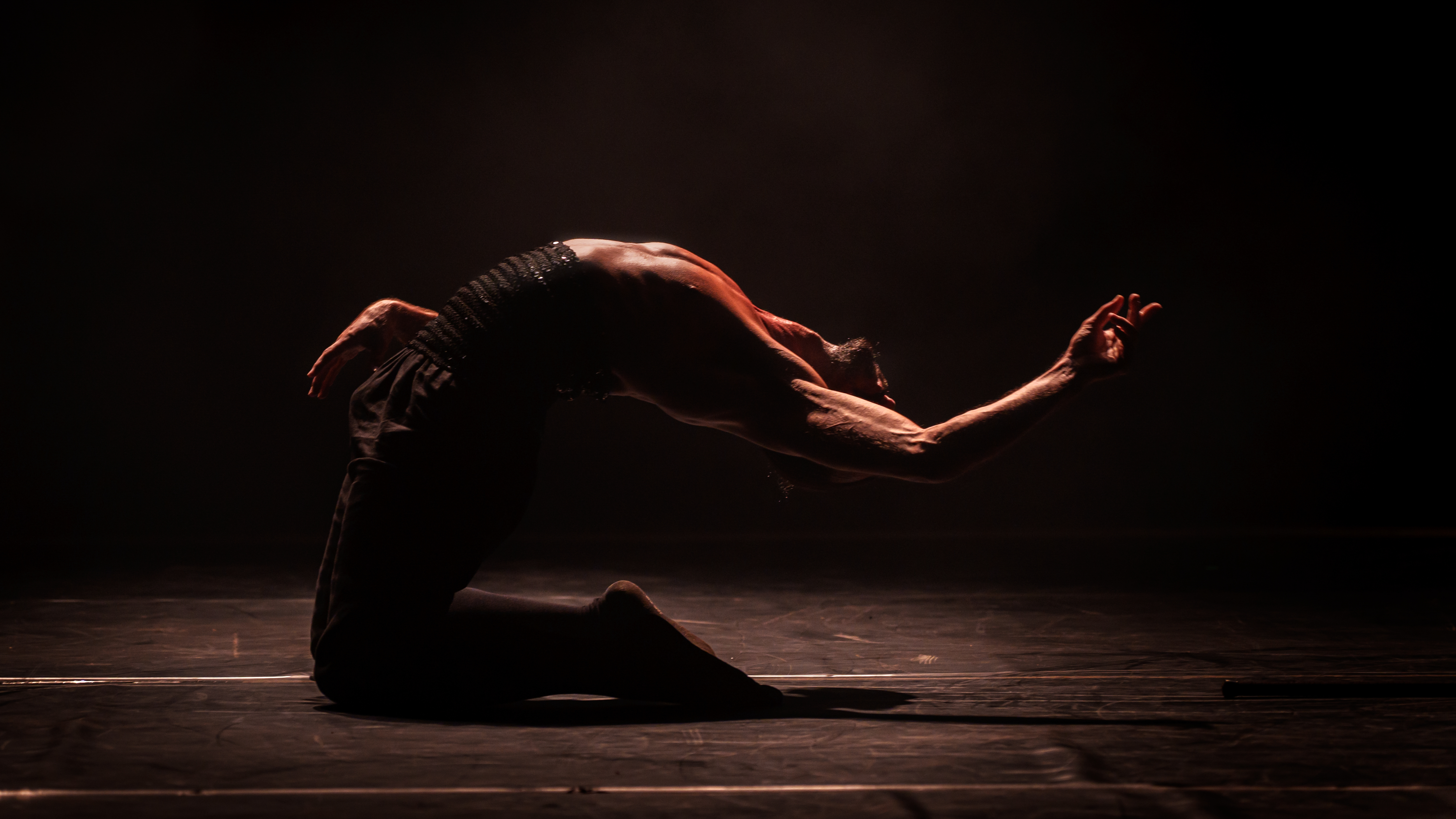
TAMRON 35-150mm + Sony A74 - 1/125 - f/2,8 - ISO 800 - 107mm
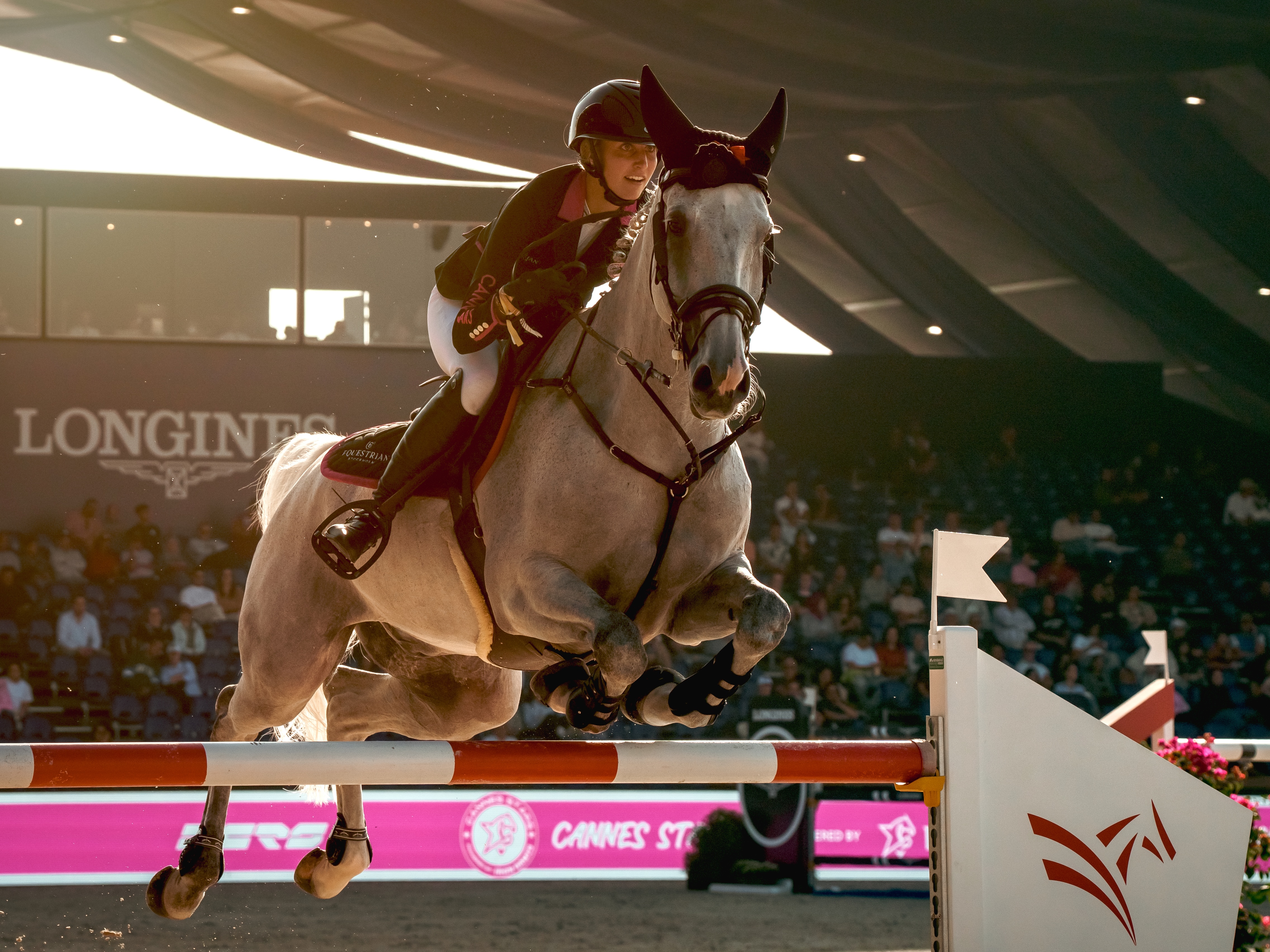
TAMRON 35-150mm + Sony A7CR- 1/4000 - f/5 - ISO 200 - 83mm
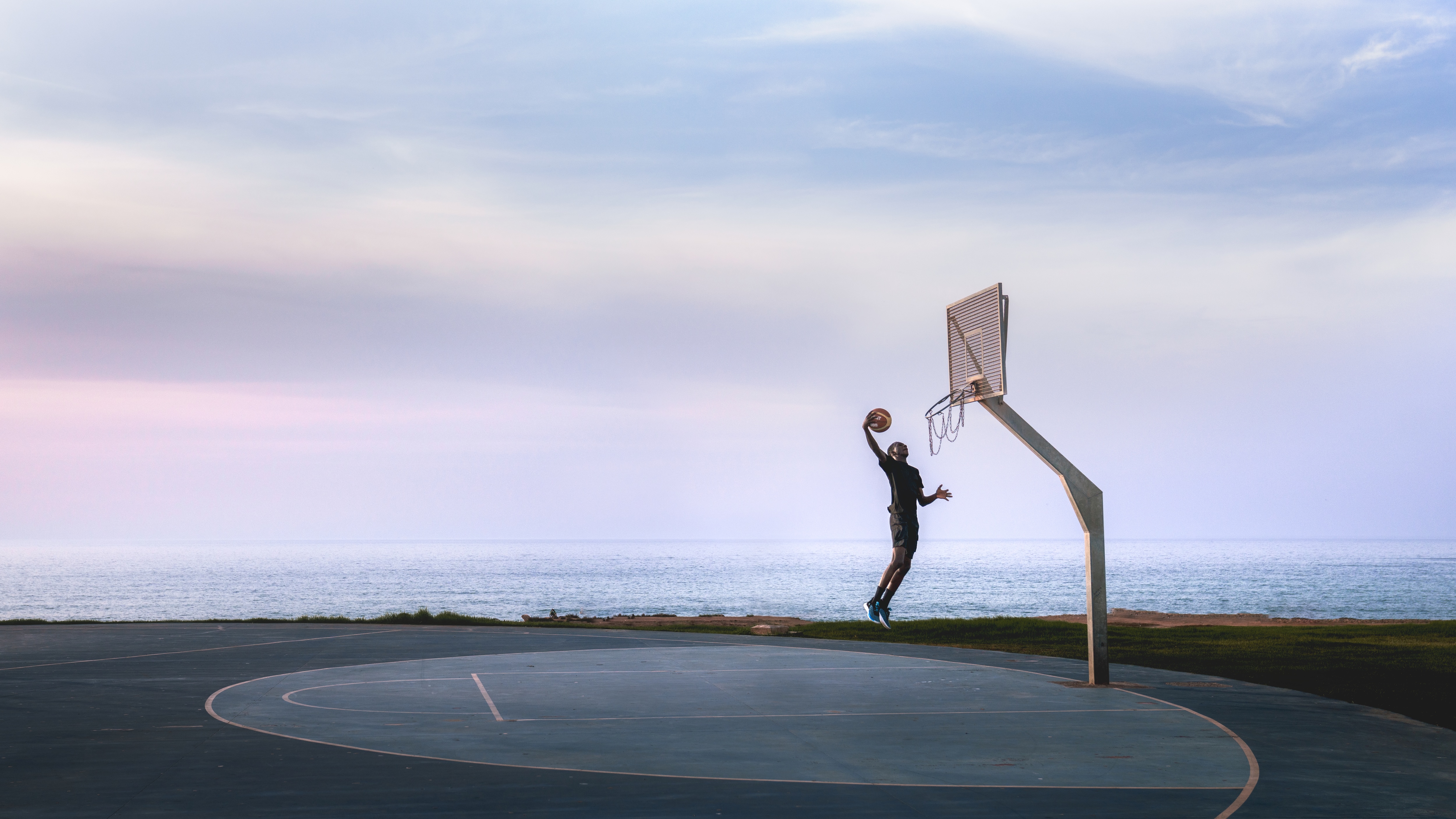
TAMRON 35-150mm + Sony A7CR- 1/1000 - f/4,5 - ISO 100 - 36mm
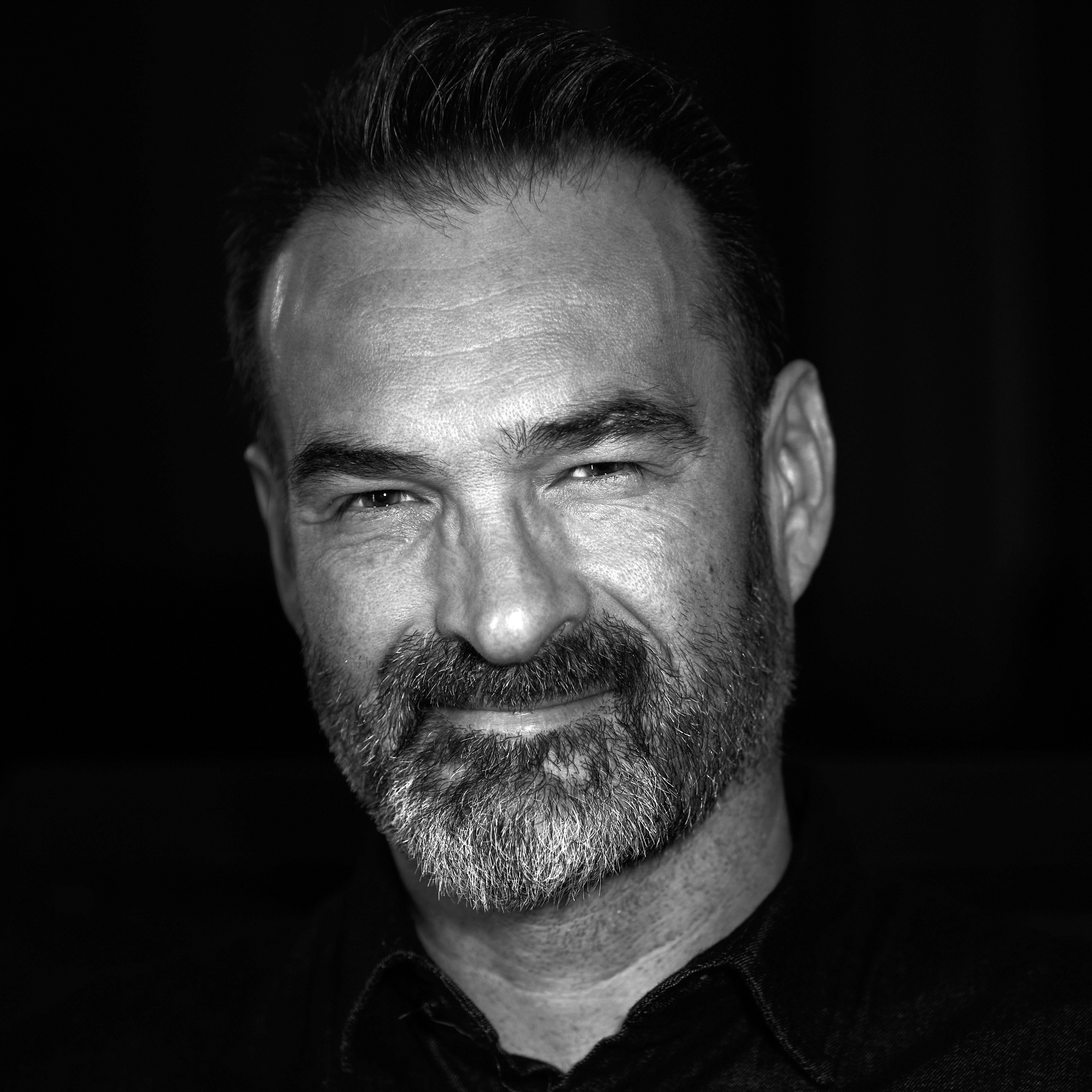
About the author: Olivier Unia
Olivier Unia is a French-Spanish photographer who has been living and working in Rabat, Morocco, since 2009. After 35 years as a musician, he shifted his professional focus to reportage and documentary photography during the COVID-19 pandemic. Since then, photography has become the central focus of his work. As he puts it, he is interested in photographing “everything that moves and everything that doesn’t.” With a keen sense for situations, he captures both dynamic scenes and quiet, contemplative moments. His projects take him across Morocco and into West Africa. Some are completed within a few hours, while others unfold over days or even years. At the heart of his work is the desire to capture emotion and intensity — and to preserve them in a suspended, timeless moment.
TAMRON products mentioned in this article
35-150mm F/2-2.8 Di III VXD
Model A058
