
Apr 23, 2026
What Is a Wide-Angle Lens?
Features, Types, and How to Choose the Right One
Choosing the right lens is one of the most important decisions in photography. It doesn’t just affect image quality—it fundamentally shapes how your photos look and feel. The lens determines how much of a scene you capture, how subjects relate to each other, and how viewers experience depth and space.
Among all lens types, wide-angle lenses stand out for their versatility and creative potential. Whether you’re photographing sweeping landscapes, dramatic architecture, or immersive street scenes, a wide-angle lens allows you to tell richer visual stories.
In this guide, you’ll learn exactly what a wide-angle lens is, what makes it unique, when to use it, and how to choose the right one for your needs.
What Is a Wide-Angle Lens?
A wide-angle lens is defined by its short focal length and wide field of view, allowing you to capture more of a scene than standard or telephoto lenses.
In general, any lens with a focal length of 35mm or less (on a full-frame camera) is considered wide-angle. This makes it ideal for situations where you want to include as much of the environment as possible—whether you're shooting outdoors or in tight indoor spaces.
But what really sets wide-angle lenses apart is their impact on perspective.
When you shoot with a wide-angle lens:
Objects close to the camera appear larger and more prominent
Objects farther away appear smaller and more distant
This creates a strong sense of depth and can make images feel more immersive and dynamic.
For example, when photographing a building:
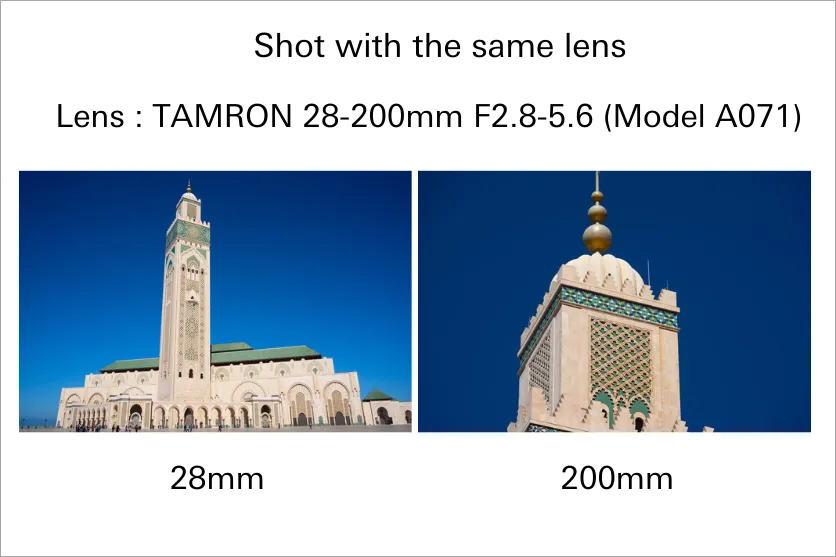
A wide-angle lens captures the entire structure along with its surroundings
A telephoto lens zooms in on details like windows or textures
Both approaches are valid—but they tell very different visual stories.
Short Focal Length, Big Scene
The focal length describes the distance between the optical center of the lens and the camera sensor. It largely determines how large the image area is that you can capture.
Lenses are typically divided into three categories:
Wide-angle: up to about 35 mm
Standard: about 40 to 60 mm
Telephoto: from about 60 mm
Most classic wide-angle lenses fall within the range of 20 mm to 35 mm. They allow you to photograph a wide variety of subjects—from landscapes and architecture to creative portraits.
There are two basic types of lenses:
Prime lenses
These lenses have a fixed focal length, meaning you cannot zoom. Instead, you need to change your position to achieve the desired framing. Many photographers appreciate prime lenses because they are often particularly fast (wide aperture) and offer high optical quality.
Zoom lenses
With these, you can adjust the focal length flexibly. A wide-angle zoom often covers multiple focal length ranges, providing greater flexibility when shooting.
Even more extreme are so-called ultra wide-angle lenses. They have a very short focal length and capture an extremely large field of view. This makes it possible to create very dynamic compositions—for example, by getting close to a foreground subject while still including a lot of background in the image.
Depth of Field: Why Everything Looks Sharp
One key advantage of wide-angle lenses is their naturally large depth of field.
This means:
More of your image—from foreground to background—appears sharp
You don’t need extremely small apertures to achieve full-scene sharpness
This is why wide-angle lenses are widely used in:
Landscape photography
Architecture
Travel and documentary work
However, keep in mind:
You can still achieve background blur (bokeh), but it’s more subtle compared to telephoto lenses.
Tips for Better Wide-Angle Photos
Wide-angle lenses have some unique features that you can make the most of. At the same time, there are a few things you should keep in mind when composing your shots.
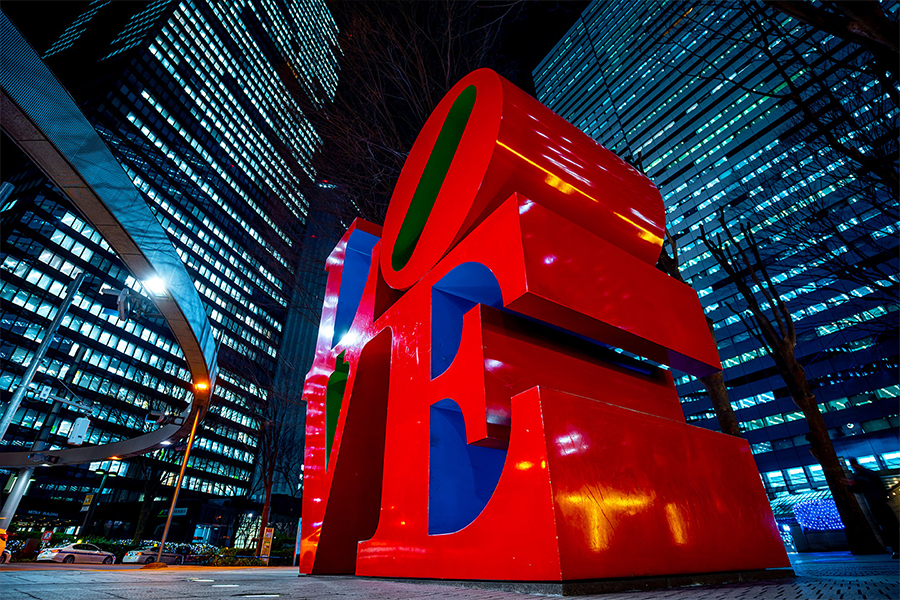
Use Perspective Creatively
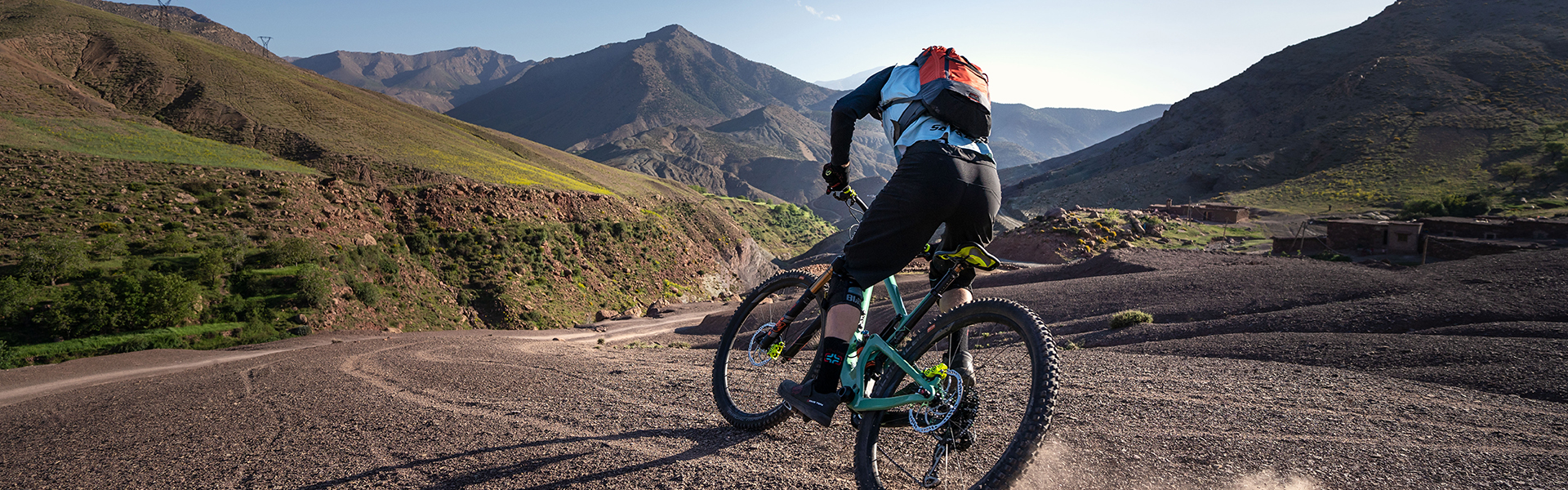
An important effect of wide-angle lenses is their enhanced perspective. Objects in the foreground appear significantly larger than those in the background.
When you use this effect intentionally, you can create very striking and impactful images.
For example:
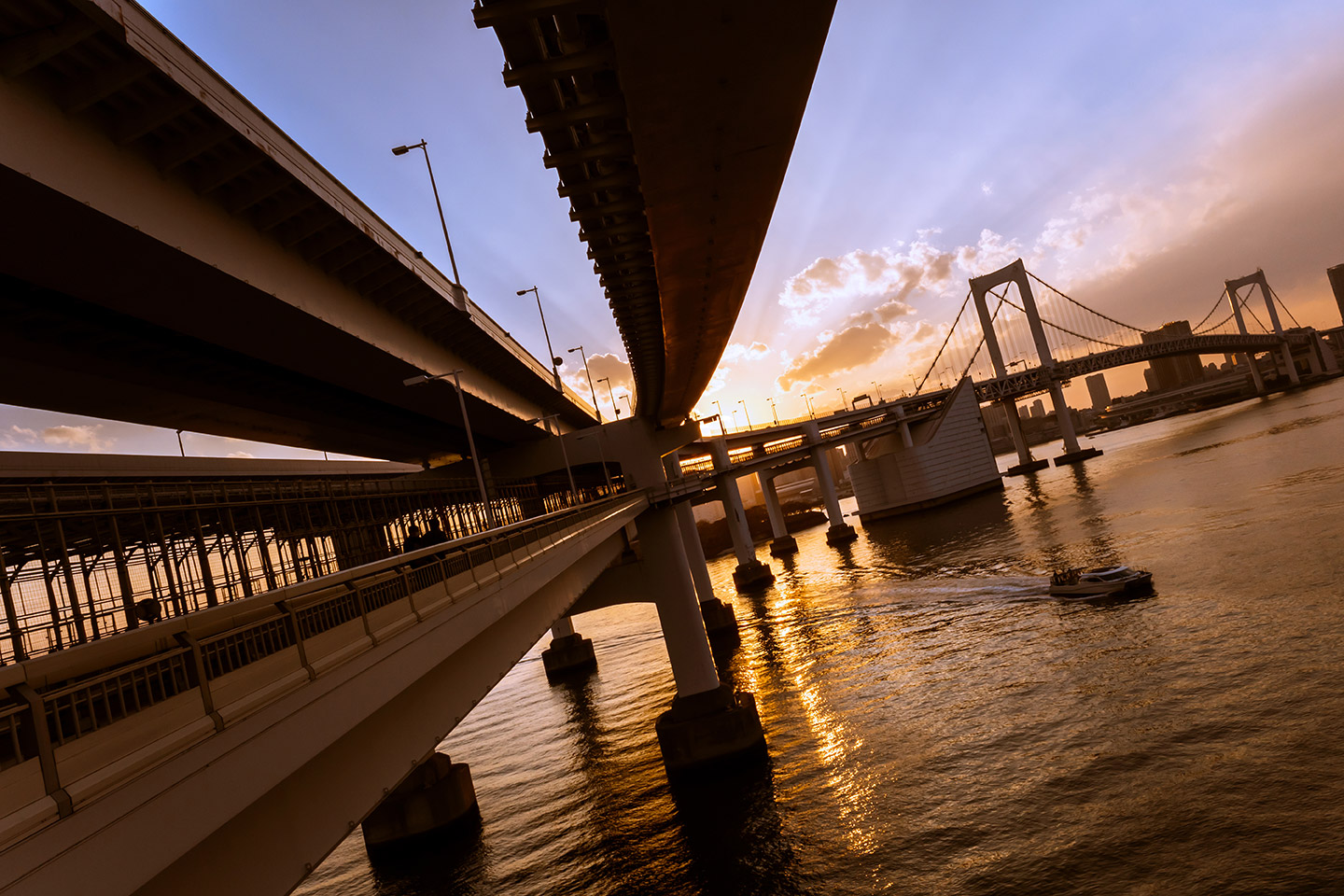
Photograph a building from a low angle to emphasize its size
Place an interesting subject in the foreground of a landscape
Move closer to your subject to add more dynamism to the image
This technique helps your photos gain more depth and visual tension.
Watch for Distortion at the Edges
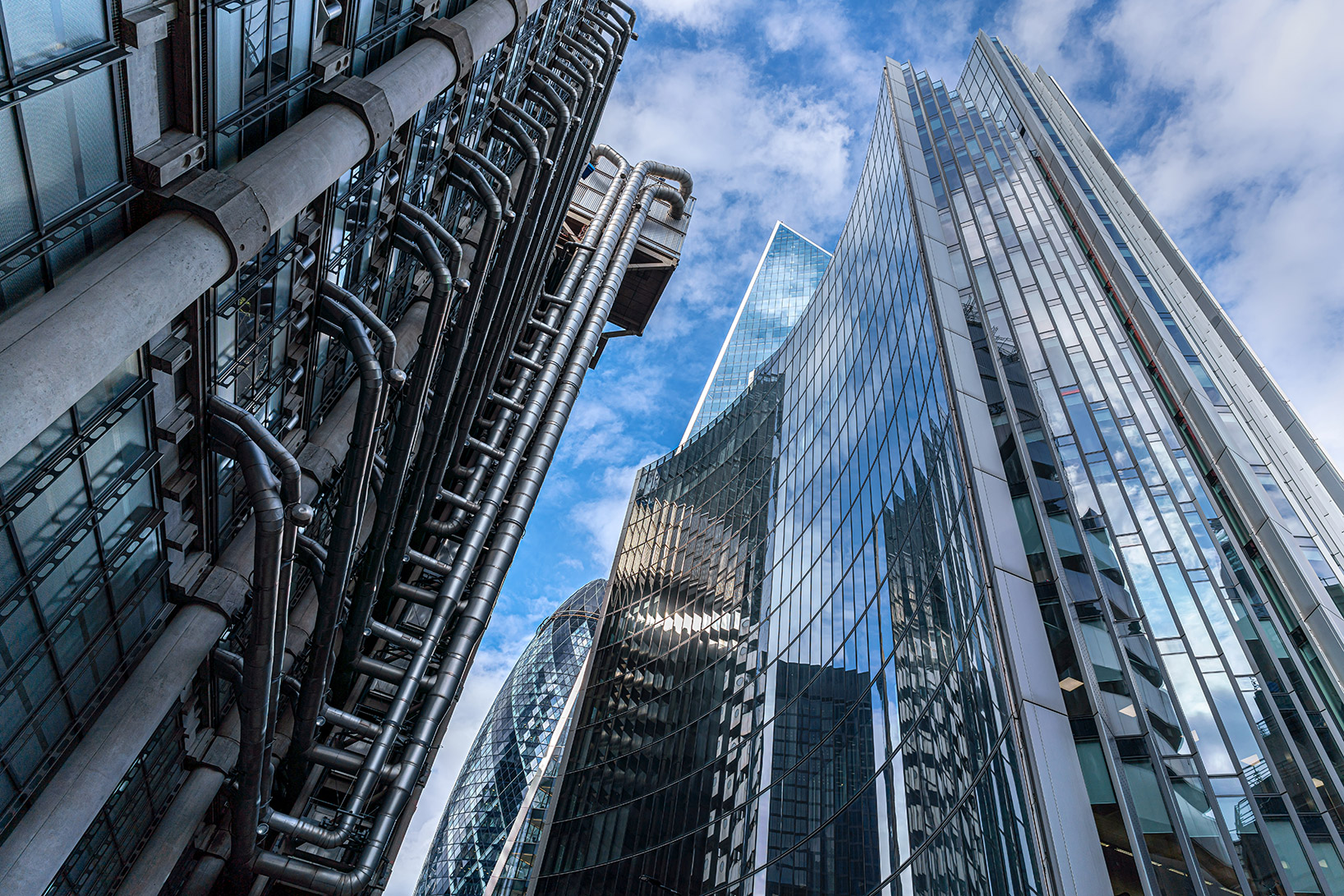
Due to their wide field of view, wide-angle lenses can cause subjects near the edges of the frame to appear slightly distorted or stretched.
This effect is especially noticeable with:
Buildings
People
Straight lines
If you want to minimize this distortion, you can:
Place your main subject closer to the center of the frame
Or use lens correction tools in your camera or editing software
However, distortion isn’t always a bad thing. When used intentionally, it can add a sense of energy and dynamism to your images.
When to Use a Wide-Angle Lens
Wide-angle lenses are especially powerful when it comes to capturing large scenes or impressive spaces.
Here are some typical use cases.
Landscape Photography
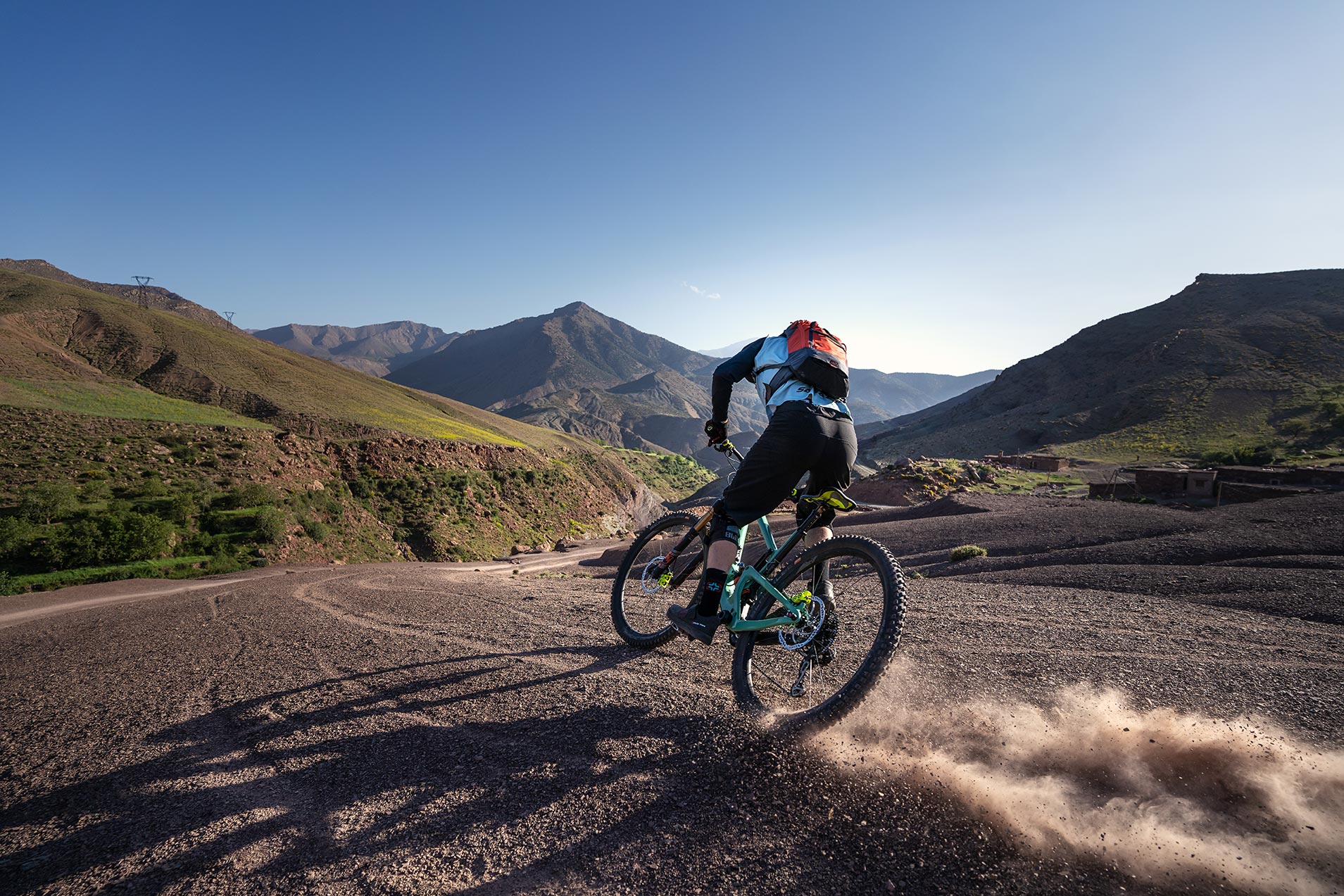
Wide-angle lenses are a classic in landscape photography.
They make it possible to capture vast natural scenes in their entirety—such as:
Mountain ranges
Wide valleys
Blooming meadows
Coastal landscapes
Or the open sea
A popular technique is to place a subject in the foreground—such as a rock, a flower, or a tree. This creates an interesting contrast with the landscape in the background.
Astrophotography
Wide-angle lenses also play an important role in photographing the night sky.
They allow for impressive shots of:
Constellations
The Milky Way
Shooting stars
Or large portions of the night sky
If you also include a subject in the foreground—such as a mountain silhouette or a building—you can create a particularly striking visual effect.
Interiors and Architecture
Wide-angle lenses are also ideal for indoor spaces.
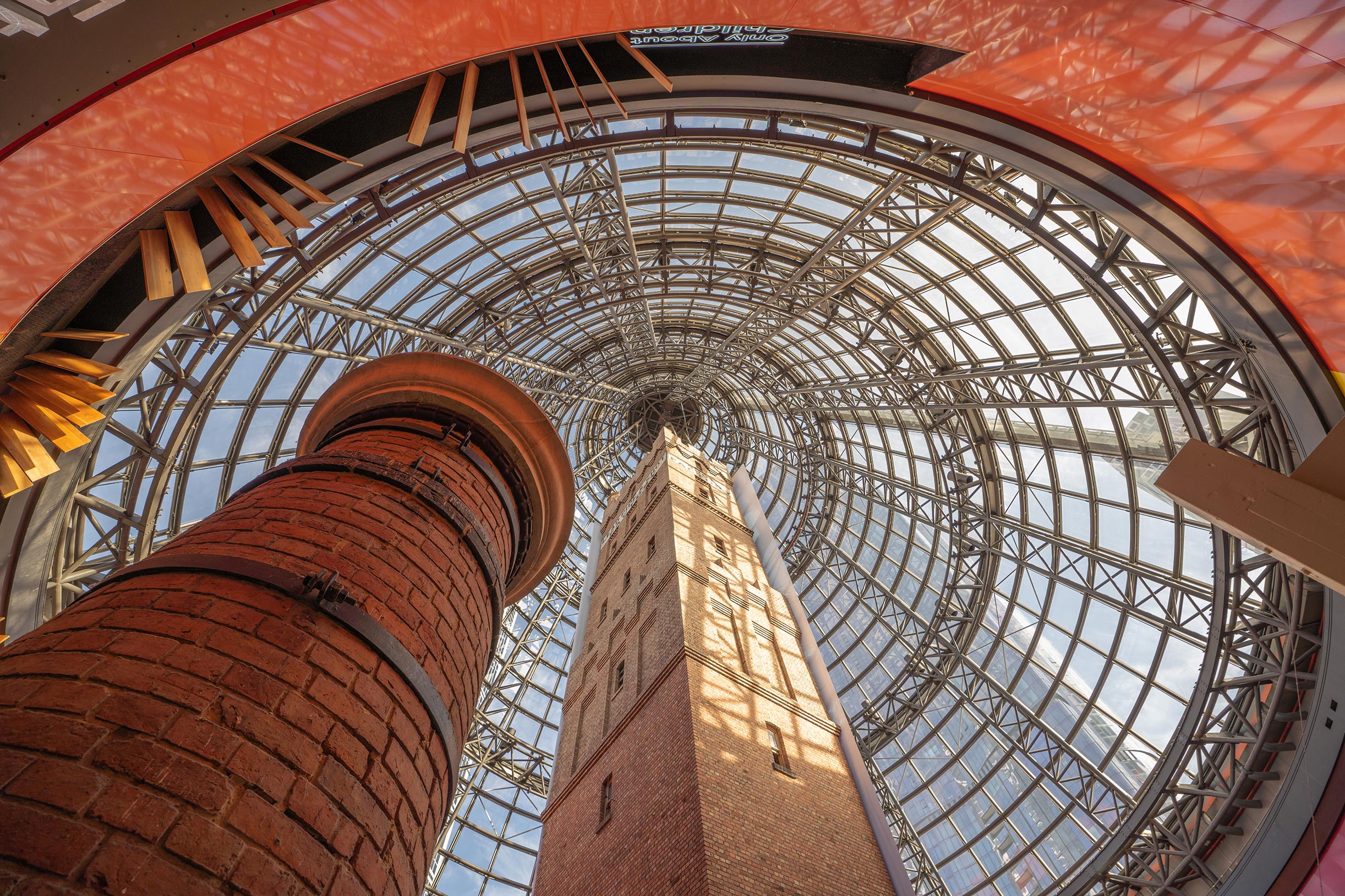
Especially in small rooms or when photographing large buildings, it can be difficult to fit everything into a single frame. A wide-angle lens helps capture more of the space.
Shots become especially interesting when you:
Shoot from a low perspective upward, or
Make use of strong lines and symmetry in the architecture.
Streets and Cityscapes
Wide-angle lenses are also very exciting for street and city photography.
They allow you to:
Get close to your subject
While still keeping the entire surroundings visible
This results in images that not only show the subject, but also capture the atmosphere of the place.
Environmental Portraits
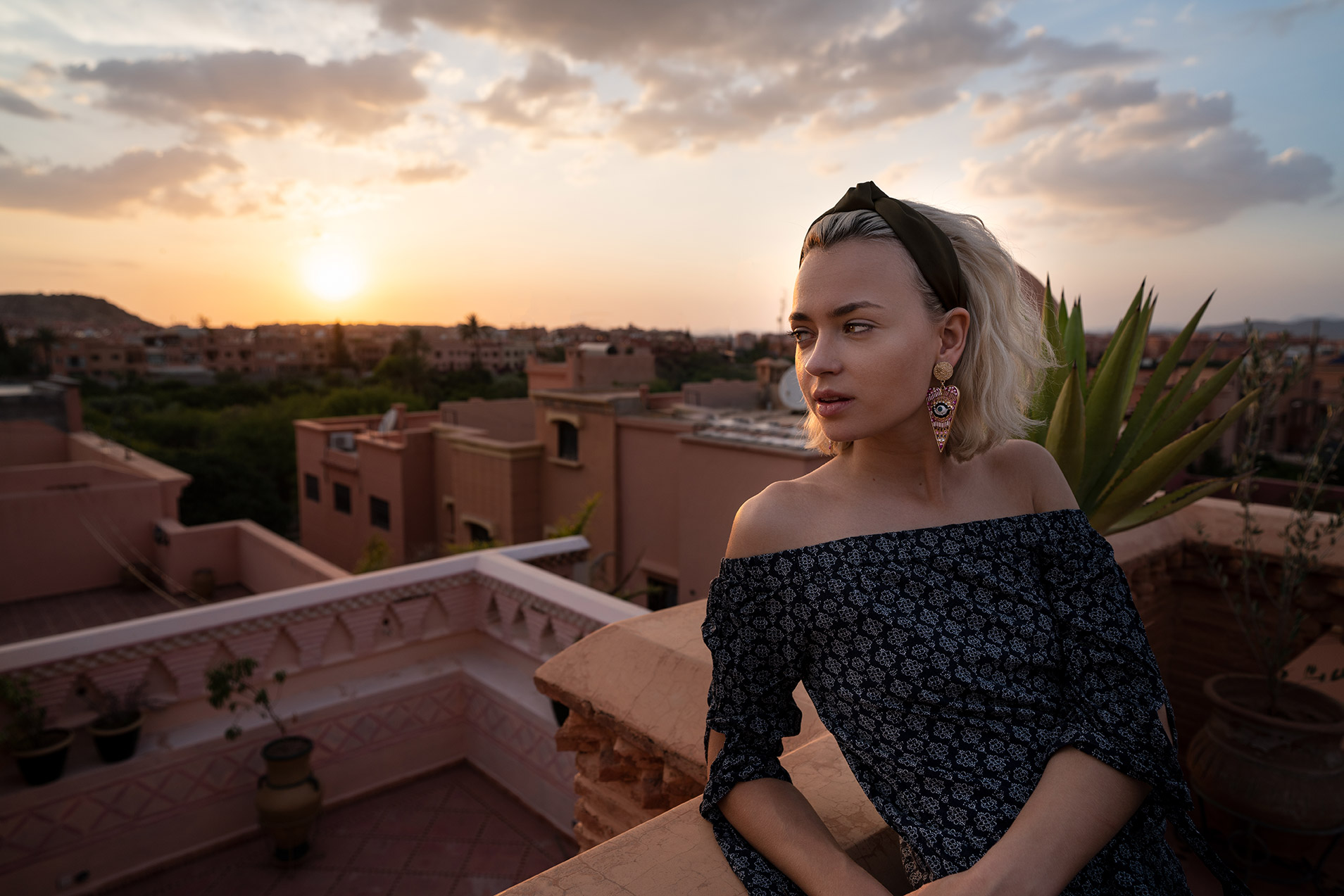
Although classic portraits are often shot with telephoto lenses, a wide-angle lens can offer interesting alternatives.
Instead of showing just the person, you can place them within their environment—for example:
A person in front of an impressive landscape
A portrait in an urban setting
Or people engaged in activities in their surroundings
This creates a sense of story within the image.
How to Choose the Right Wide-Angle Lens
If you're thinking about buying a wide-angle lens, there are a few important factors you should consider.
Focal Length and Aperture
First, consider whether you prefer a prime lens or a zoom lens.
A wide-angle zoom with around 16 to 20 mm in the ultra wide-angle range is particularly versatile and suitable for many different subjects.
The aperture value (f-number) determines how fast (light-sensitive) a lens is.
The smaller the number, the more light the lens can capture. This is especially helpful for:
Night photography
Indoor photography
Astrophotography
Autofocus and Image Stabilization
Fast and accurate autofocus makes photography much easier.
Image stabilization can also be helpful—especially in low light conditions or when shooting without a tripod.
For beginners in particular, this technology can help produce sharper images.
Weight and Portability
In landscape or travel photography, you often have to carry your equipment for long periods.
That’s why it’s worth paying attention to:
Weight
Size
Handling
Fast lenses are often somewhat heavier, but they offer more flexibility in challenging lighting conditions.
Mount and Sensor Size
Finally, you should make sure that the lens is compatible with your camera.
Two factors are important here:
the lens mount
the camera’s sensor size
The two most common sensor formats are:
Full-frame
APS-C
A full-frame lens can usually also be used on an APS-C camera. However, the effective focal length increases by a factor of about 1.5.
Conclusion
Wide-angle lenses are powerful tools for photographers who want to capture more than just a subject—they want to capture an entire scene and its atmosphere.
From sweeping landscapes to immersive street photography, they allow you to create images with depth, context, and visual impact.
Once you understand how to control perspective, composition, and distortion, a wide-angle lens can completely transform the way you see and photograph the world.Heavier lenses usually offer better low-light performance
TAMRON products mentioned in this article
16-30mm F/2.8 Di III VXD G2
Model A064
20-40mm F/2.8 Di III VXD
Model A062
28-75mm F/2.8 Di III VXD G2
Model A063
35-150mm F/2-2.8 Di III VXD
Model A058
