
Jul 21, 2026
Understanding and using perspective creatively
In photography, perspective plays a crucial role when it comes to giving images more depth, dynamism, and expressiveness. Those who use perspective deliberately can avoid common problems such as “flat photos” or a lack of impact. In this article, you will learn what perspective actually means, how it is created, and how you can use it creatively for different subjects.
What is meant by perspective?
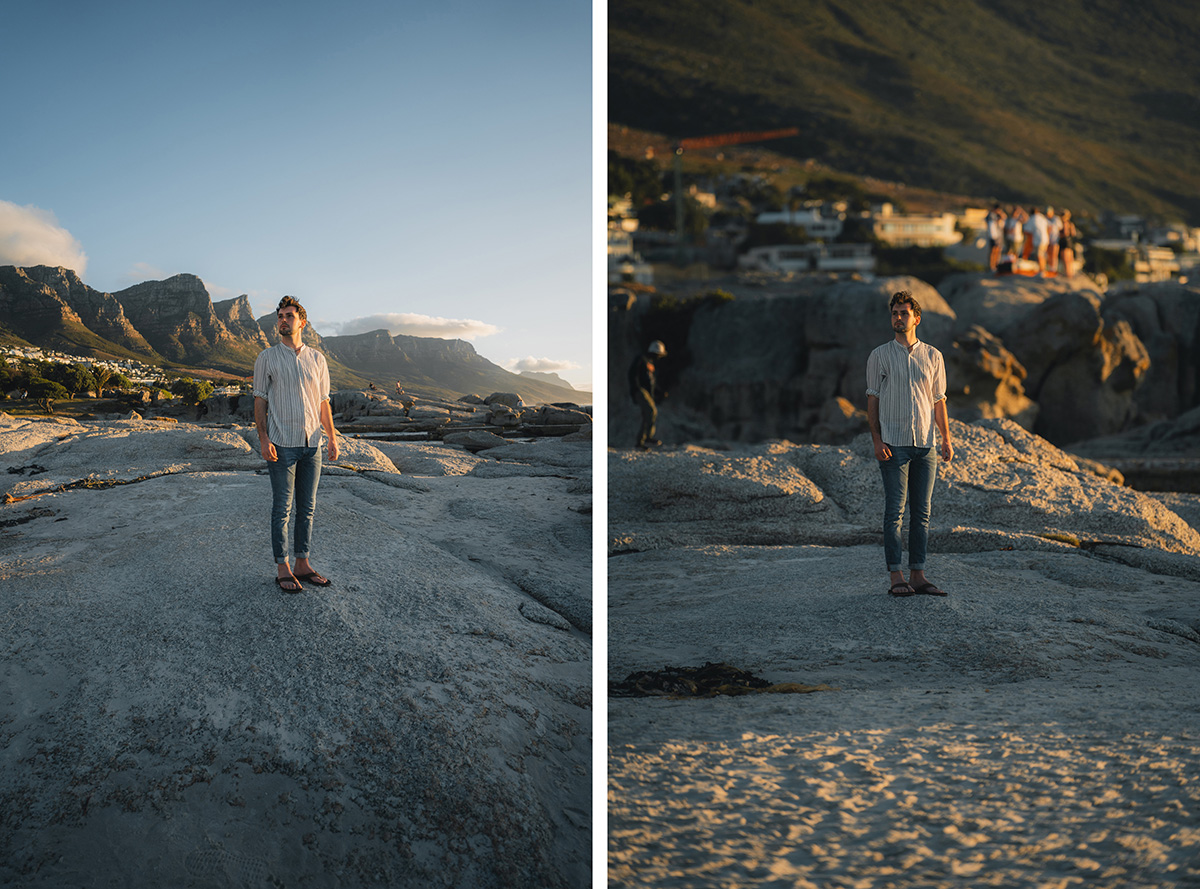
Perspective describes the impression of depth and spatial distance within an image. It is created by the relative size and position of subjects as well as the distance between foreground and background. Similar to the human eye, the camera perceives distant objects as smaller and nearby objects as larger – this very principle forms the basis of perspective.
How strong this spatial impression appears depends mainly on two factors: the focal length of the lens and your shooting position. If you are close to the subject, the perspective appears much more pronounced. As the distance increases, the depth effect, on the other hand, appears calmer and more compressed.
Wide-angle lenses emphasize perspective
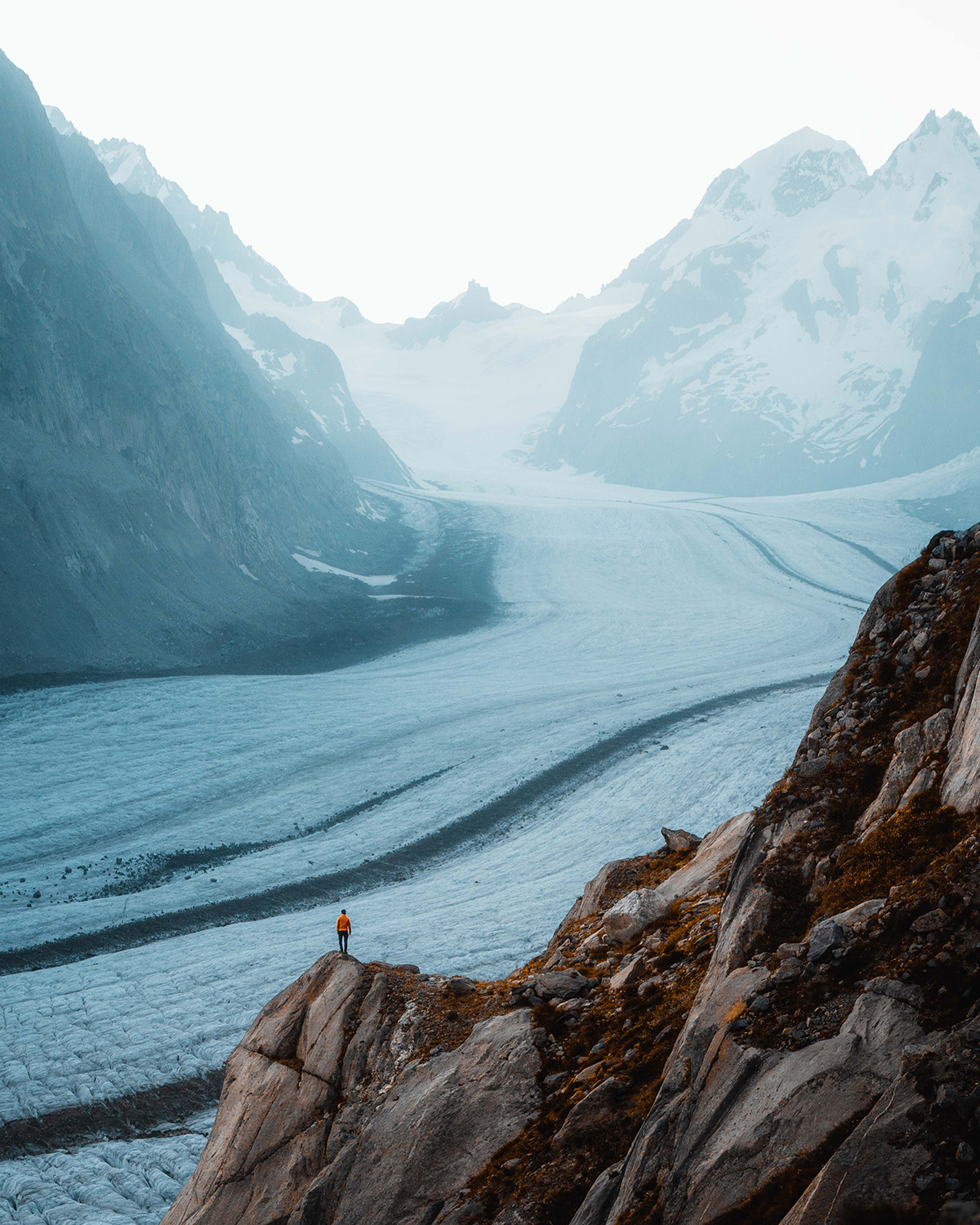
Wide-angle lenses have a large angle of view and therefore strongly enhance the impression of spatial depth. When you photograph a subject from a short distance, the foreground appears larger, while the background looks significantly smaller. This creates a dynamic and striking perspective effect.
Especially in architectural and landscape photography, wide-angle lenses can produce impressive visual results. Leading lines, differences in scale, and spatial structures become particularly prominent. Even tight interiors or narrow alleyways benefit from the wide-angle effect, as they appear more spacious and open.
Telephoto lenses reduce perspective
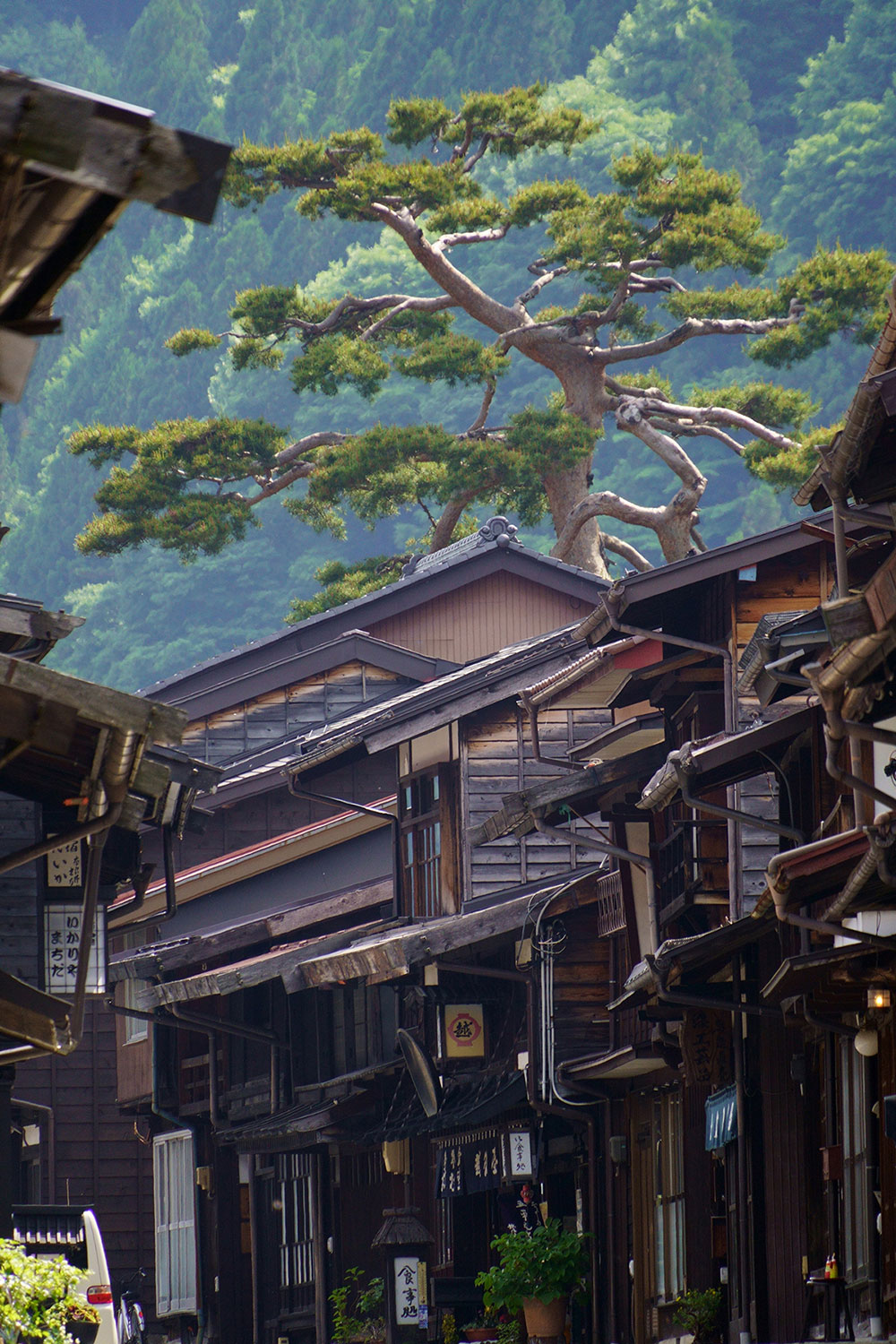
Telephoto lenses create the opposite effect: they compress spatial perception. Distant elements appear closer together than they actually are—this effect is often referred to as “compression.”
As a result, backgrounds look denser and more cohesive, which can make subjects appear especially powerful. At the same time, the shallow depth of field typical of telephoto lenses allows for attractive background blur, helping the main subject stand out clearly from its surroundings. This is also a highly effective form of photographic composition.
Learning to understand perspective
To use perspective intentionally, it is worth looking at the fundamentals of perspective theory. It describes how spatial depth from a three-dimensional world is represented on a two-dimensional surface. Particularly important in this context are so-called vanishing points and different types of perspective.
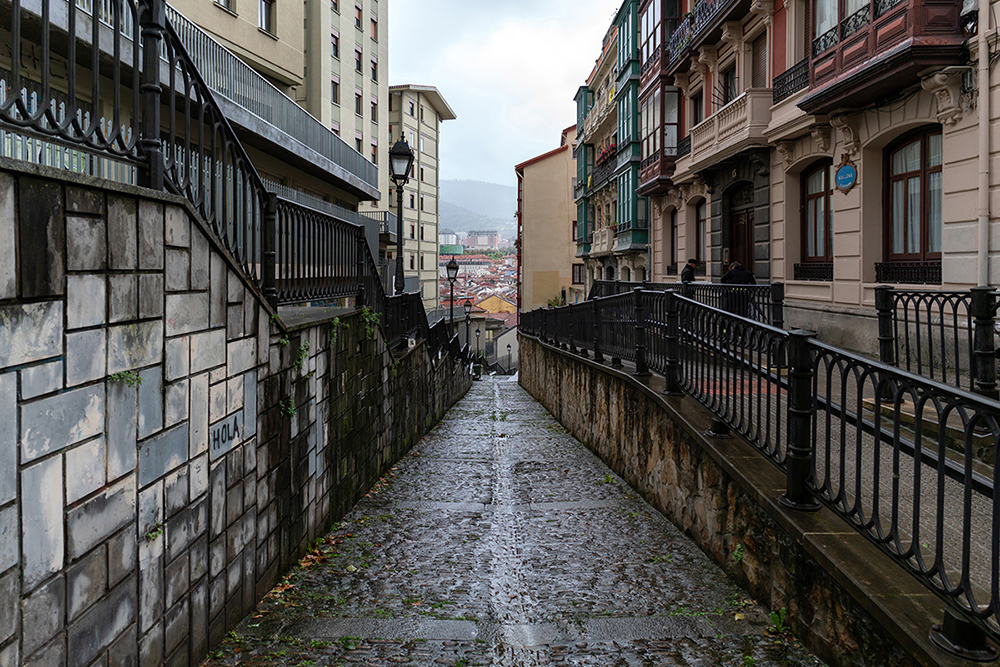
What is a vanishing point?
A vanishing point refers to the point in the distance where parallel lines appear to converge. Typical examples include straight roads, railway tracks, or long corridors. These lines naturally guide the viewer’s eye into the depth of the image, creating a strong sense of spatial dimension.
The position of the vanishing point has a significant impact on the visual effect of an image:
A centrally placed vanishing point appears calm, symmetrical, and stable.
A vanishing point placed off-center creates more dynamism and movement.
When photographing subjects with clear lines, it is therefore worthwhile to consciously include the position of the vanishing point in your composition.
Types of perspective and their effects
There are different types of perspective, including linear perspective, color perspective, aerial perspective, and overlapping perspective. The most relevant for photography is linear perspective. It uses lines that appear to converge as distance increases.
The three most important forms are one-point, two-point, and three-point perspective.
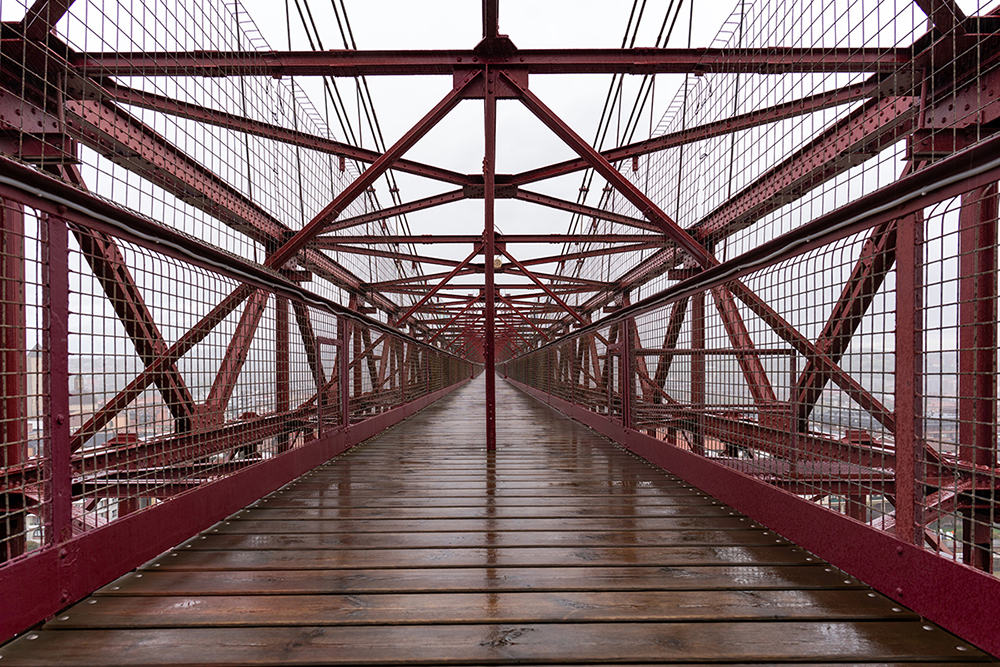
One-point perspective
In one-point perspective, all lines converge toward a single vanishing point. This effect is especially noticeable in long streets, tunnels, or corridors that are photographed head-on. It creates a strong sense of depth.
A centrally placed vanishing point also adds symmetry and calmness to the image. To make optimal use of this perspective, you should photograph your subject as frontally as possible and deliberately guide the lines toward the center of the frame.
Since this composition can quickly appear very orderly, additional elements in the foreground can help make the image more visually engaging.
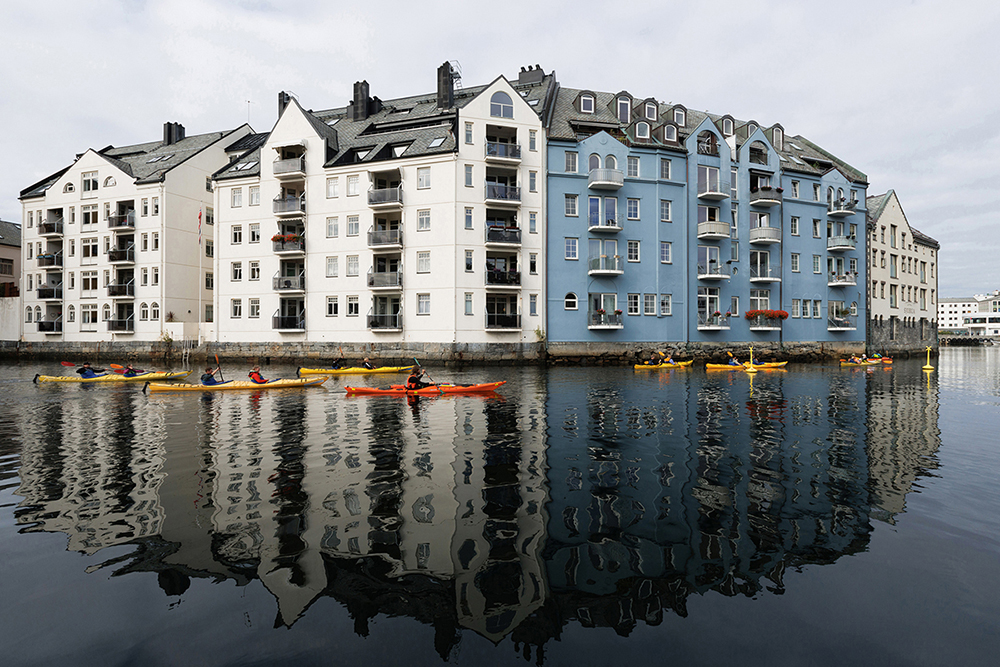
Two-point perspective
Two-point perspective occurs when lines converge toward two different vanishing points. This is typical when photographing buildings from a corner. Lines along façades, ceilings, or streets then recede both to the left and to the right.
This perspective conveys both width and depth and is frequently used in architectural photography.
It is particularly effective when you photograph your subject from an angle of around 45 degrees. This creates a strong three-dimensional impression.
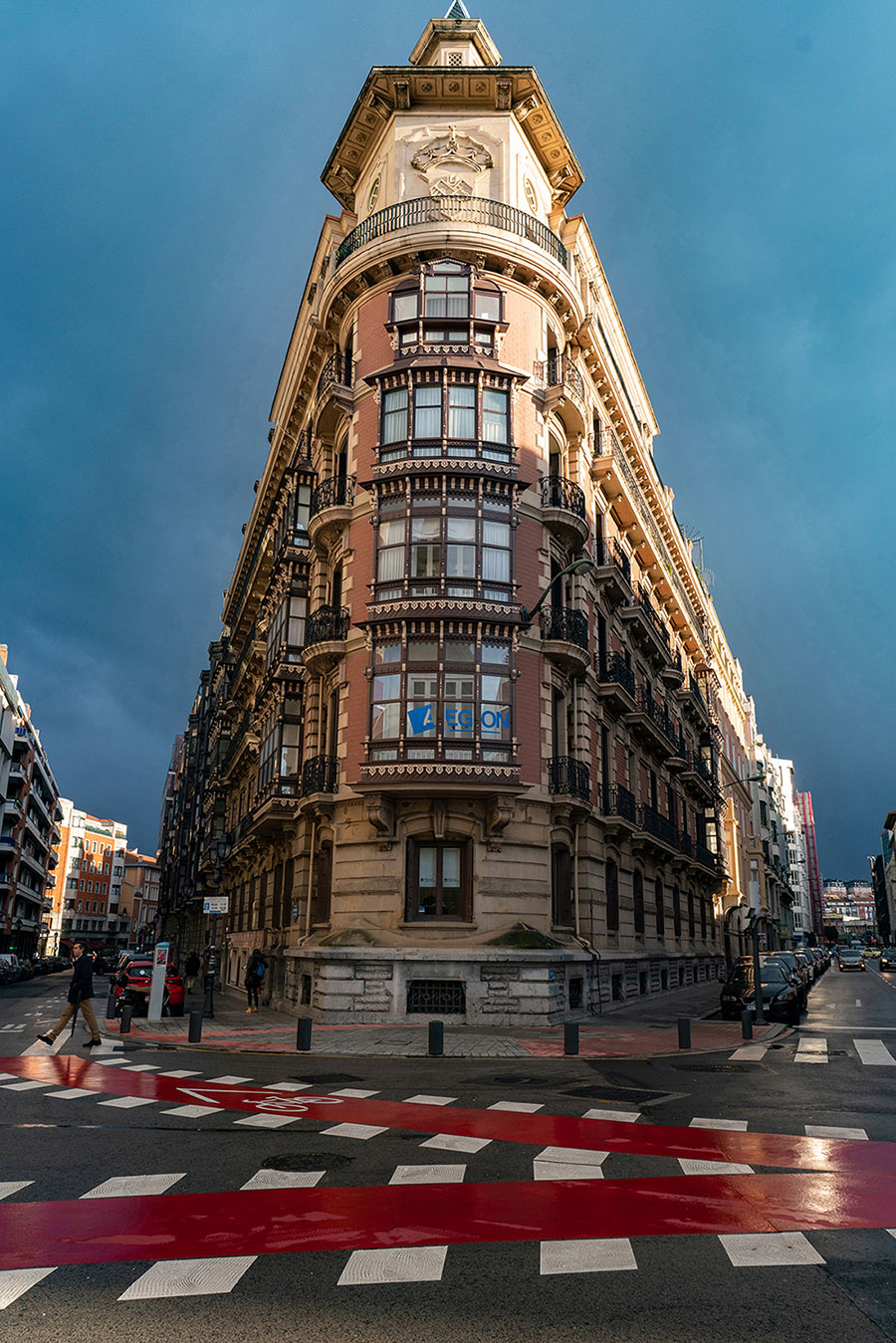
Three-point perspective
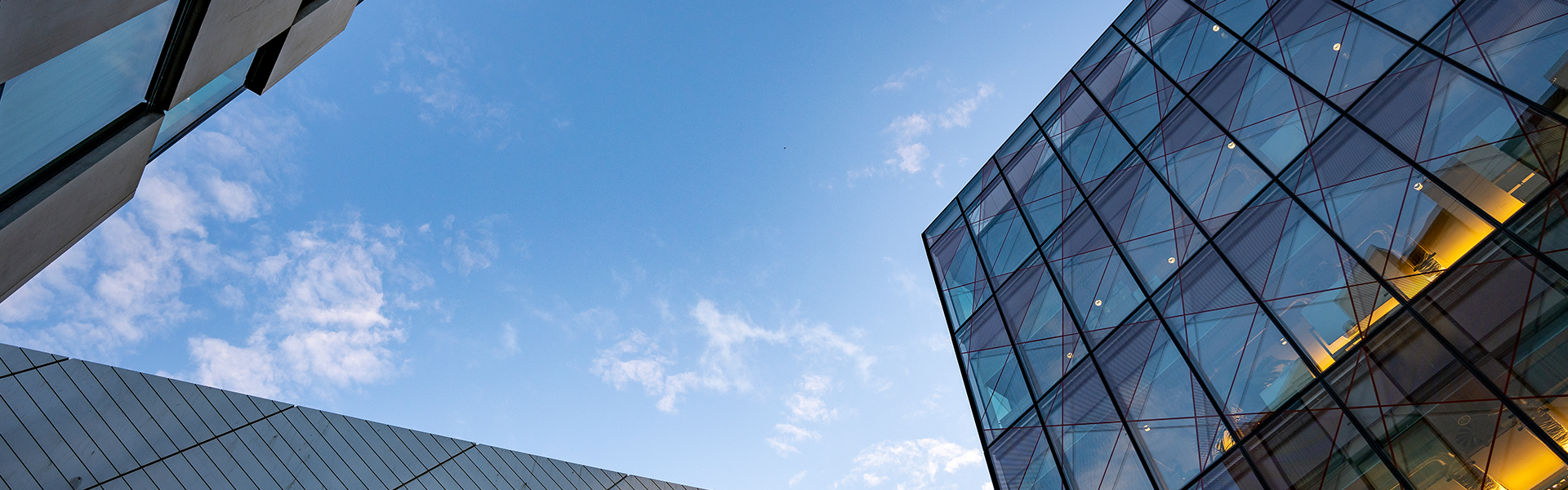
Three-point perspective extends the image with an additional vertical vanishing point. This effect often occurs when tall buildings are photographed from a low position looking upward using a wide-angle lens.
As a result, subjects appear especially imposing and dynamic. Height and depth are strongly emphasized—ideal for architectural shots with a striking impact.
A wide-angle lens and a low camera position further enhance this effect. If you deliberately exclude the horizon from the frame, the vertical dimension becomes even more dominant.
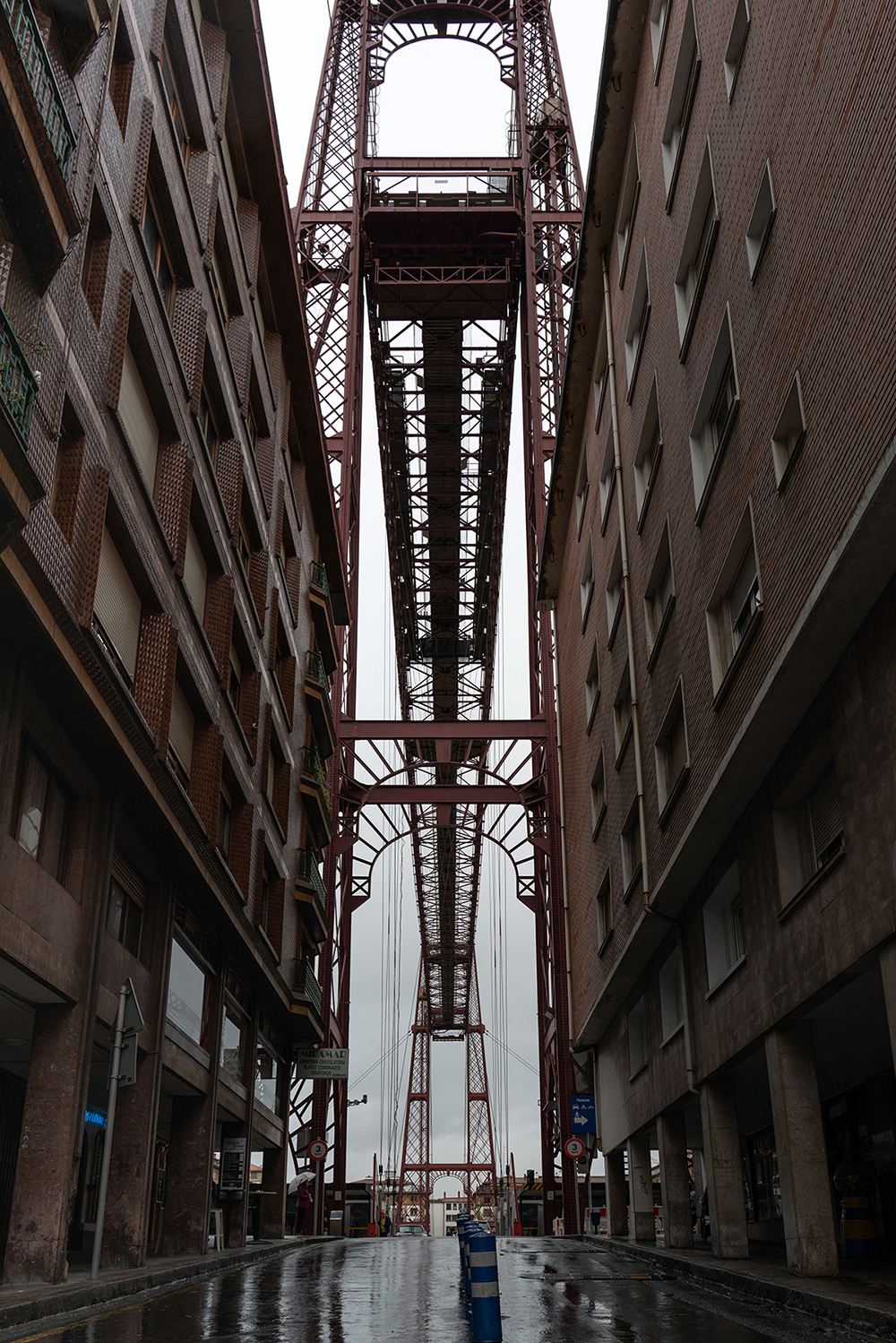
How to create perspective with a wide-angle lens
Wide-angle lenses are excellent for deliberately using perspective. Thanks to their large field of view, they allow you to effectively include foreground, middle ground, and background in a single frame—perfect for dynamic landscape or architectural shots.
Here are some tips for creating a strong sense of perspective:
Working with lines
Streets, buildings, railings, or bridges are ideal for incorporating leading lines into an image. They guide the viewer’s eye through the composition and create a sense of depth.
The position of the vanishing point also influences the visual impact of the image:
Central = calm and balanced
Off-center = dynamic and exciting
A low camera position further enhances the sense of height and depth.
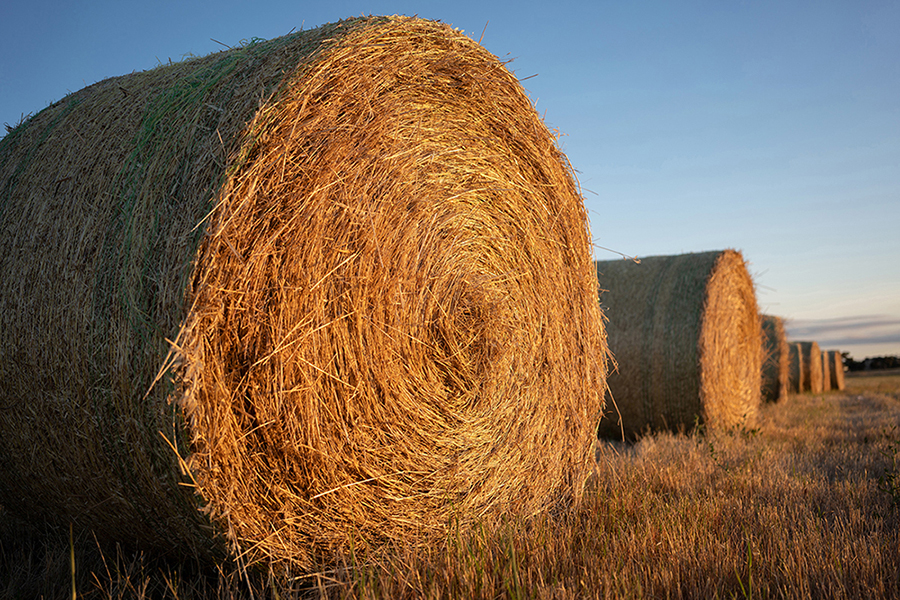
Consciously using foreground, middle ground, and background
A convincing sense of perspective is often created by layering different image planes. Use objects in the foreground to add depth to the image and to highlight the main subject.
When elements in the frame become smaller toward the back, a natural sense of spatial depth is created. By deliberately overlapping individual layers, the photograph appears much more three-dimensional and lifelike.
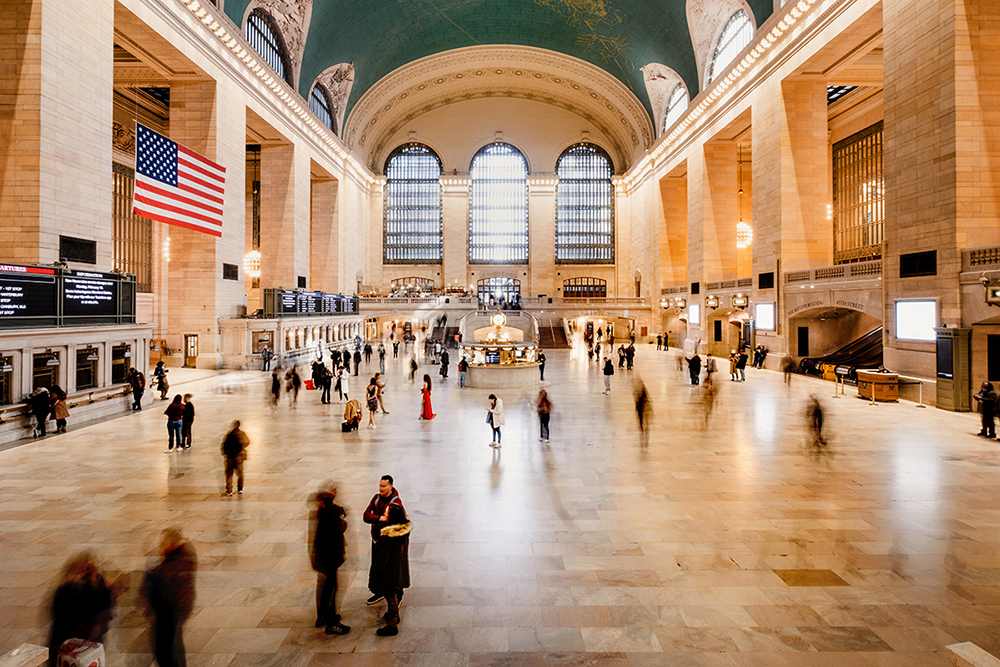
Experimenting with different viewpoints
A low shooting angle emphasizes vertical lines and creates an imposing effect—ideal for buildings or tall subjects.
A high camera position, on the other hand, allows for an interesting bird’s-eye view and is excellent for cityscapes or large open spaces.
Angled viewpoints also create additional depth through the effect of two-point perspective. It is therefore worthwhile to deliberately try out different perspectives.
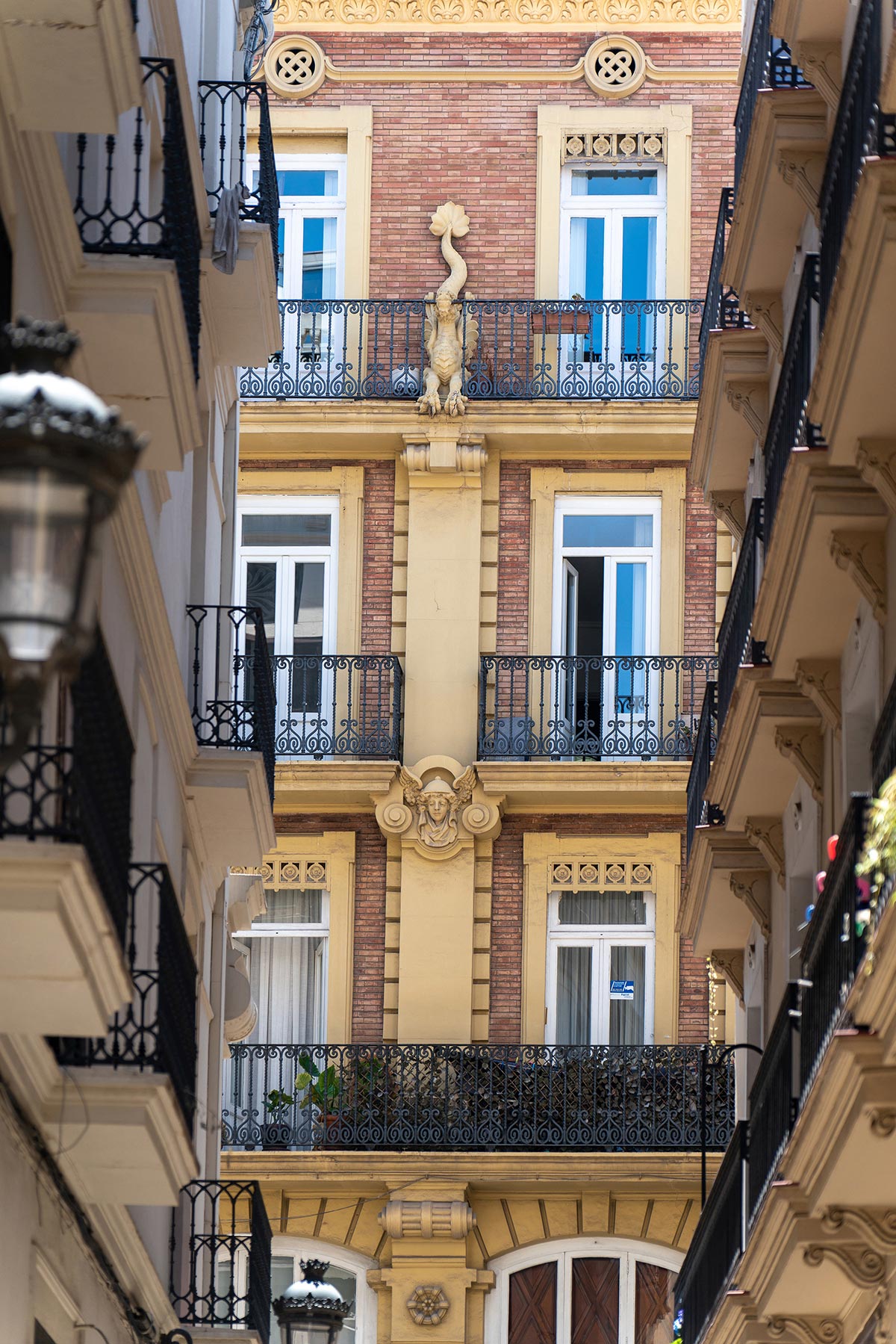
Subjects that are particularly well suited for perspective
Certain subjects are especially well suited for deliberately using perspective and enhancing the spatial impact of your images.
Architecture and buildings
Buildings are ideal subjects for compositional use of perspective. When you photograph skyscrapers with a wide-angle lens from a low angle, a striking three-point perspective is created.
Building edges, rows of windows, or façade lines are also perfect for deliberately using vanishing points and enhancing the sense of depth.
Landscapes
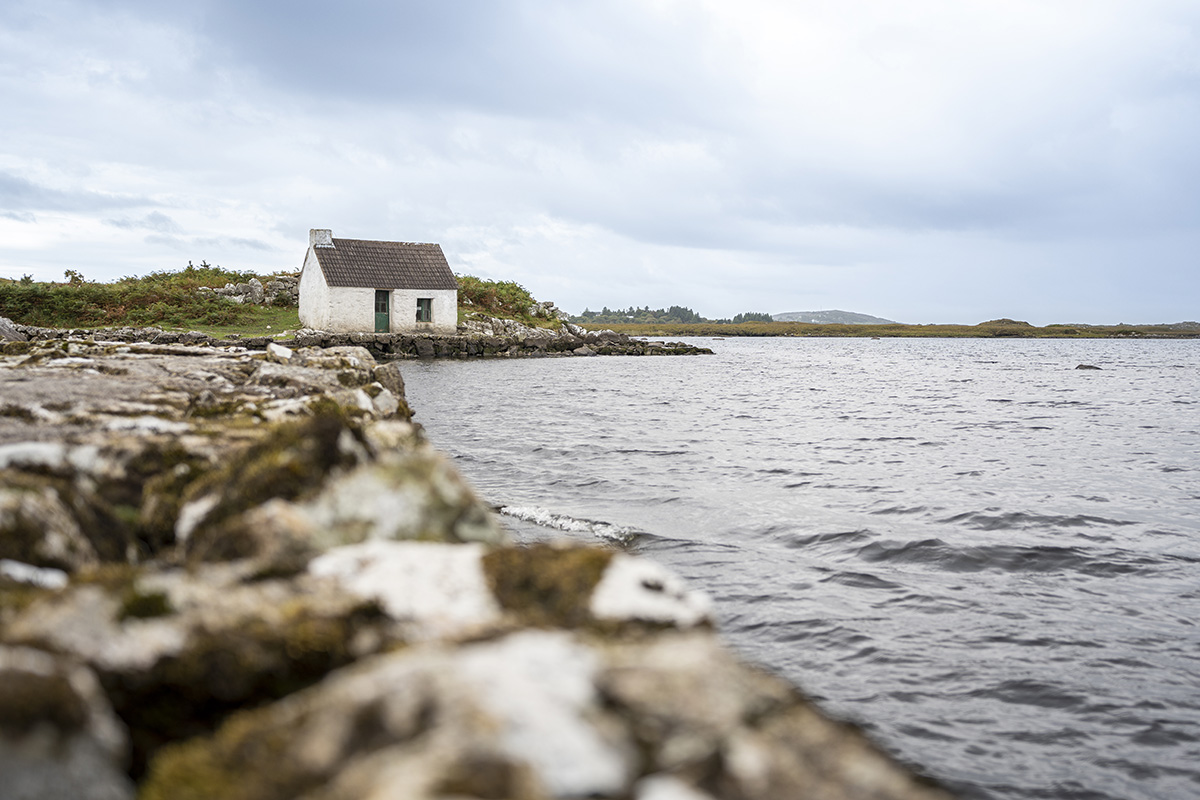
In landscape photography, different perspective effects can be creatively combined. With a telephoto lens, mountain ranges or buildings appear closer together, creating an impressive layering of depth.
With a wide-angle lens, you can deliberately include foreground elements such as rocks, flowers, or trees to emphasize scale and spatial depth.
When the horizon is visible, a natural one-point perspective is often created as well.
Streets and paths
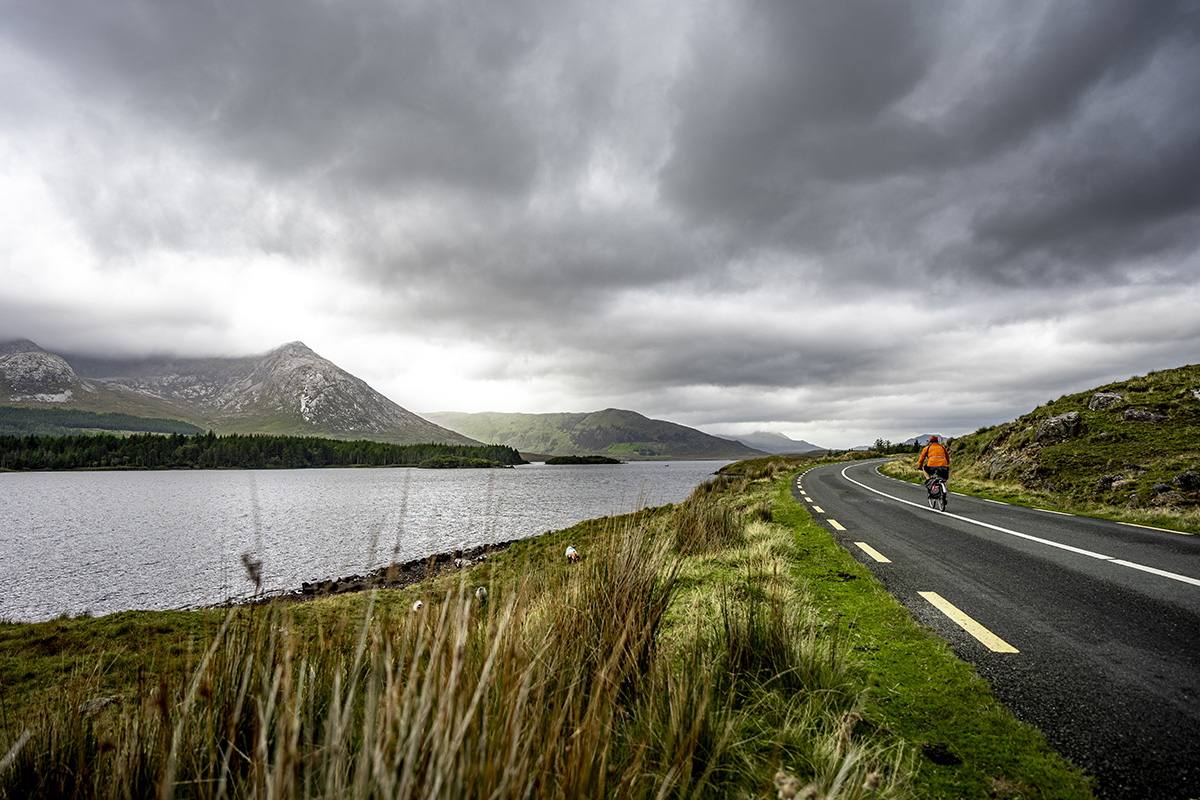
Streets, paths, or railway tracks clearly reveal perspective. Straight roads are perfect for one-point perspective, as streetlights, houses, or power poles visually converge toward the vanishing point.
Curved roads or winding mountain passes also create interesting depth effects and offer creative compositional possibilities.
Interior spaces with depth
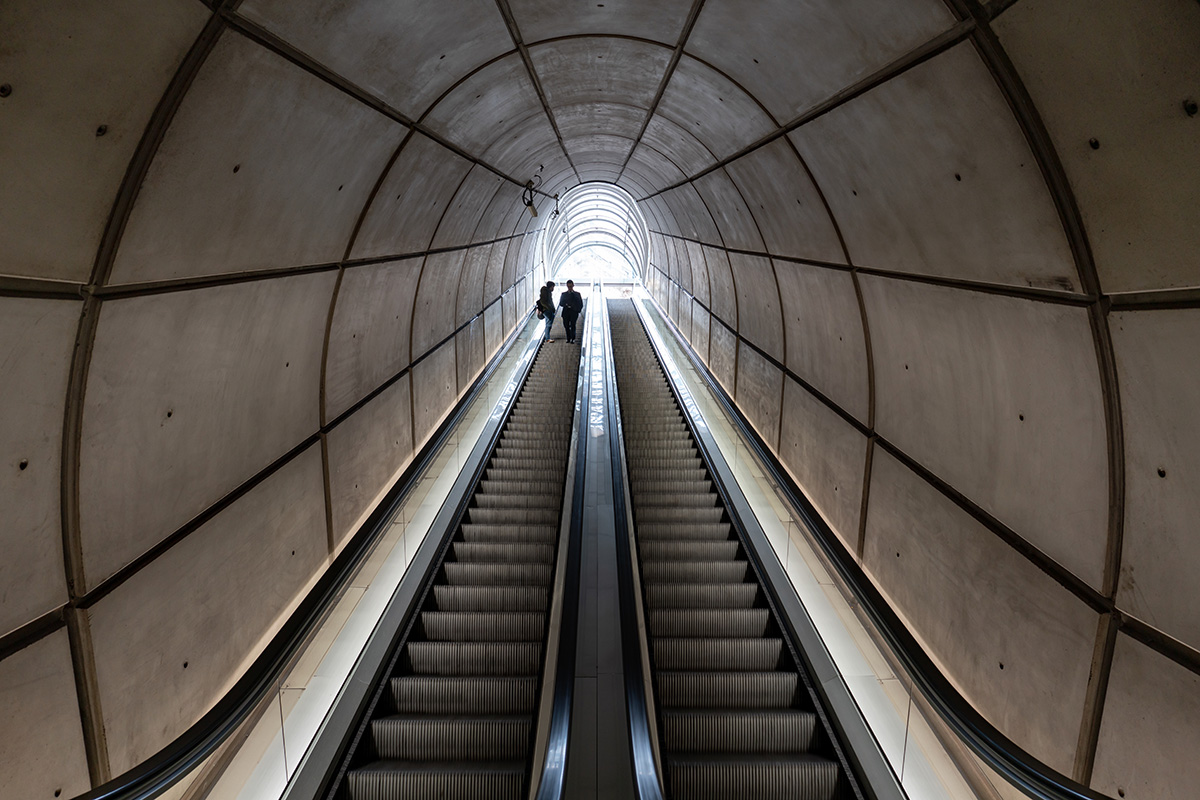
Long hallways, train stations, or passageways are ideal subjects for strong perspective effects. A centrally placed vanishing point creates geometric symmetry, while angled viewpoints add additional dynamism.
Especially with a wide-angle lens, interior spaces can be rendered in an impressive and spatially engaging way.
Statues and objects
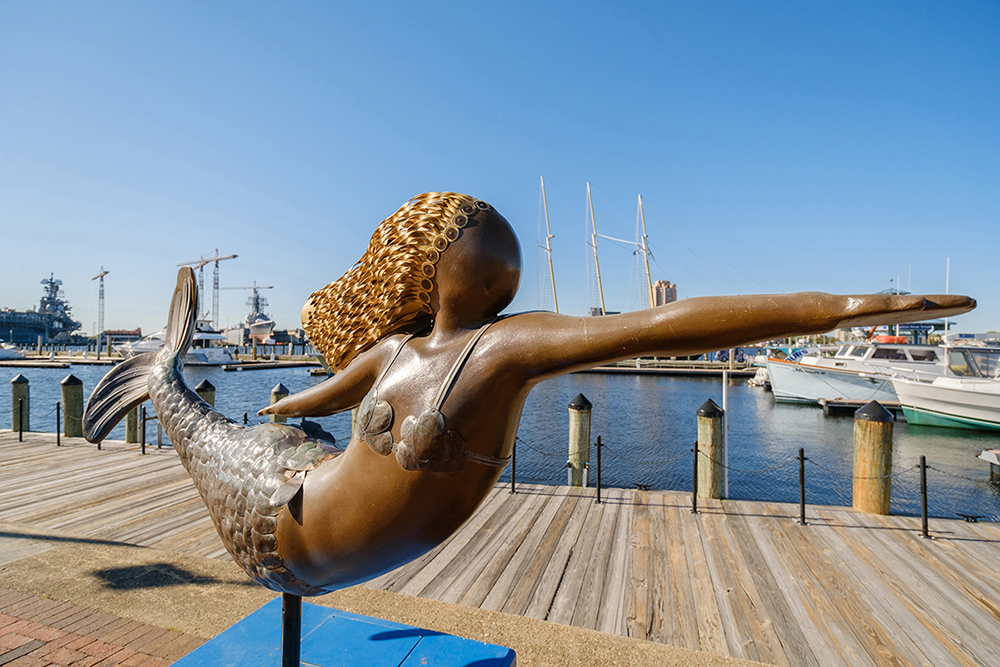
Three-dimensional objects such as statues or monuments also benefit from deliberate use of perspective. When photographed from a low angle, they create a powerful impression of size and presence.
Multiple objects placed in a row also add spatial depth—especially when they are arranged diagonally across the frame.
Using perspective creatively
Perspective is one of the most important compositional tools in photography. It gives images depth, dynamism, and a stronger sense of spatial dimension. Wide-angle lenses in particular are excellent for highlighting perspective in a striking way.
By deliberately using vanishing points, leading lines, and different viewpoints, you can create completely different visual effects. Try out various perspectives with subjects in your surroundings and discover new creative possibilities for your photography.
