
Jan 21, 2026
The Fascination of Architectural Photography
Basics of Architectural Photography: Techniques and Lens Selection
Beginner-Friendly & Easy to Understand
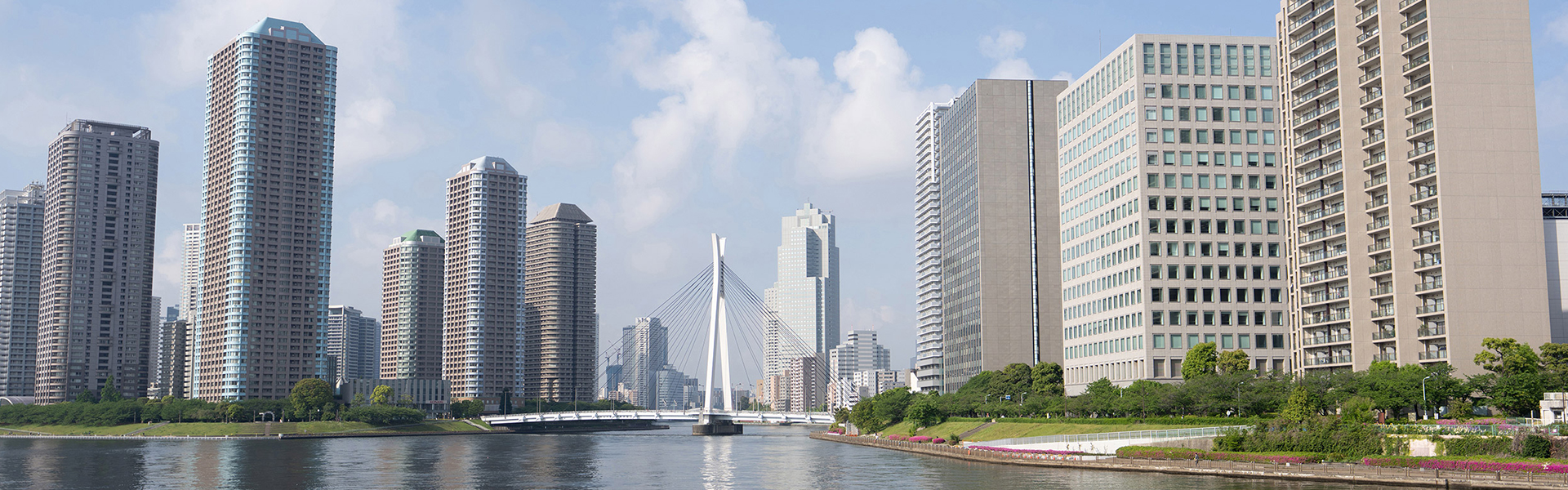
Architectural photography means far more than simply documenting buildings. It is a form of visual art that captures the beauty of lines and structures, the interplay of light and shadow, and the appeal of thoughtfully designed spaces. From residential homes and historic landmarks to modern skyscrapers, every building reflects the intentions and background of its architects. Expressing these elements through photography is what makes this genre so compelling.
Buildings also change their appearance depending on the time of day and the weather. The same structure can convey completely different impressions at different times, depending on how the light falls. Sky, shadows, and reflections shift with the time of day and season, allowing familiar subjects to appear new again and again. This depth and variety are key reasons why architectural photography never becomes boring.
While walking through a city, you may suddenly come across a building that makes you pause. Raising the camera to capture that moment lies at the heart of architectural photography. Its true appeal is transforming such discoveries into lively visual images.
Photo Equipment and Basic Settings for Successful Architectural Photos
Essential Accessories: Tripod, Remote Shutter Release, and Filters
A tripod is one of the most important tools for high-quality architectural photography. Especially in low light—such as at dusk or at night—longer exposure times are required, which can easily lead to camera shake when shooting handheld. Precise horizontal alignment of the camera is also crucial, as vertical and horizontal lines strongly influence the overall impression.
A remote shutter release or remote control further reduces camera shake when triggering the shutter, resulting in even sharper and more detailed images.
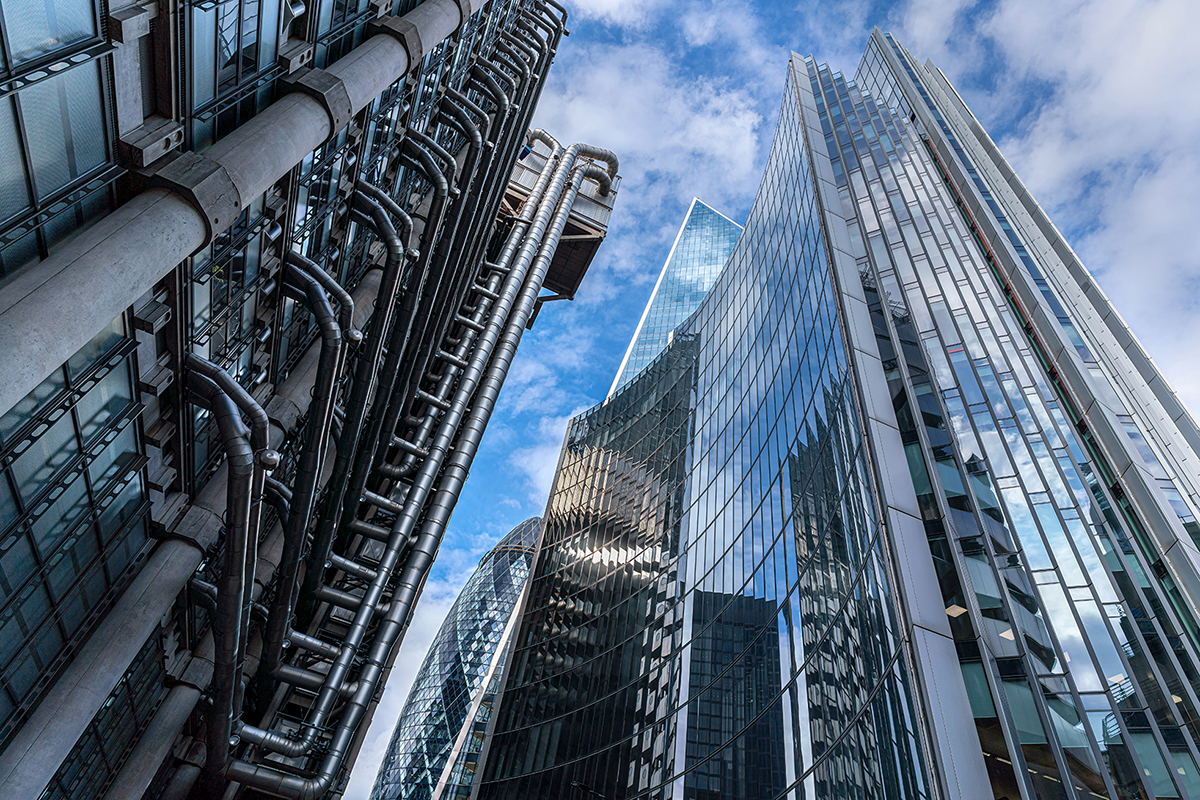
A polarizing filter (PL filter) is also very useful: it reduces reflections on glass surfaces and intensifies the blue of the sky. This effect is particularly striking with modern glass façades or buildings near water.
Camera Settings: Aperture, ISO, and White Balance
For architectural photography, aperture priority mode (A or Av) is generally recommended. To render details clearly, a large depth of field is important. Aperture values between f/8 and f/11 are ideal, as they provide high sharpness from foreground to background.
The ISO sensitivity should be set as low as possible—usually ISO 100 to 200—to avoid image noise and achieve high image quality. Since buildings are stationary subjects, longer exposure times are typically not an issue.
Automatic white balance delivers good results in many situations. However, for sunsets or night shots with strongly varying color temperatures, it can be beneficial to use presets such as daylight, shade, or artificial light to achieve more deliberate and accurate color moods.
Composition Tips for Architectural Photography
Fundamental Composition Rules: Rule of Thirds, Symmetry, and Vanishing Points
The rule of thirds is one of the most practical composition tools in architectural photography. The image is mentally divided into thirds, and important architectural elements are placed along these lines or at their intersections. This creates balanced compositions with natural visual flow.
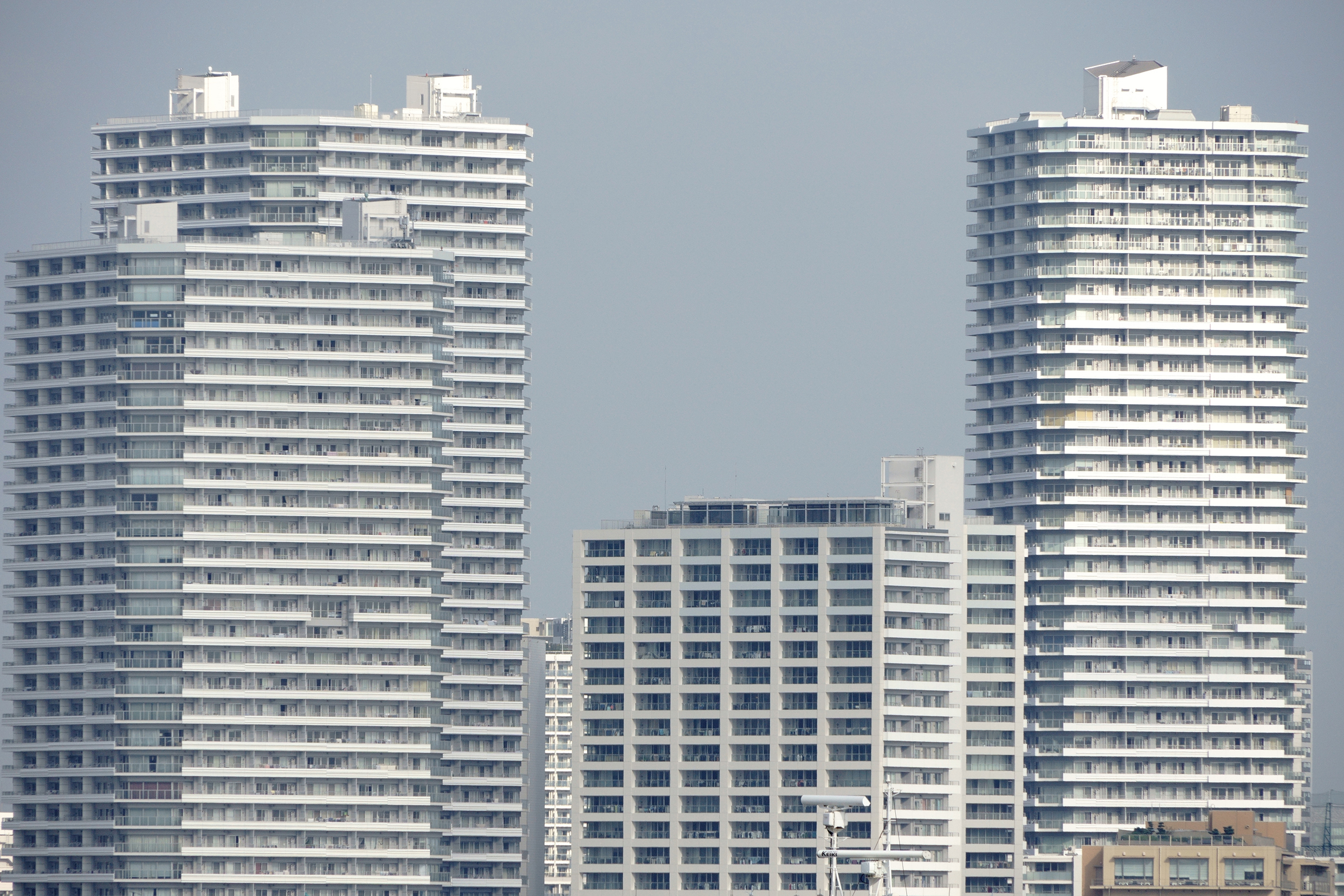
Symmetrical composition results when a building is photographed front-on and centered. This approach is especially suited to emphasizing order, calmness, and precision—ideal for historic buildings or modern, clearly structured architecture.
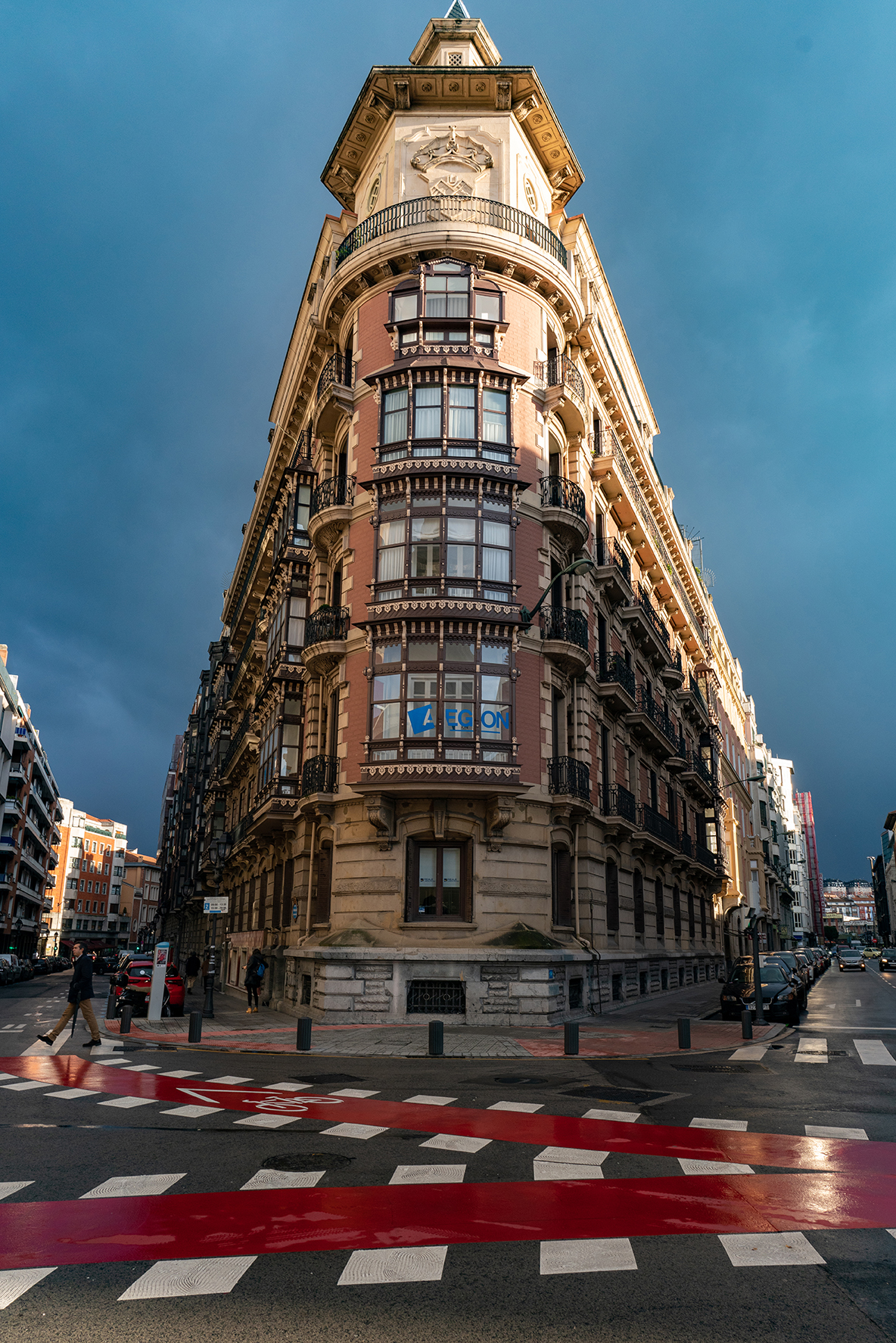
By consciously using vanishing points, where parallel lines converge in the distance, a strong sense of depth can be created. Such perspectives convey scale, spatiality, and the vastness of urban environments in a particularly impressive way.
Framing the Image: Clearly Highlighting the Subject
A strong image impact depends on clearly defining what is to be shown. Focus on elements that emphasize the character of a building—such as its external form, structural details, geometric patterns, window and door arrangements, or material textures.
Simply omitting distracting elements like signs or power lines can make an image appear much calmer. Unusual perspectives, such as a low-angle (worm’s-eye) view or the use of diagonal lines, can also give familiar subjects a fresh and dynamic look.
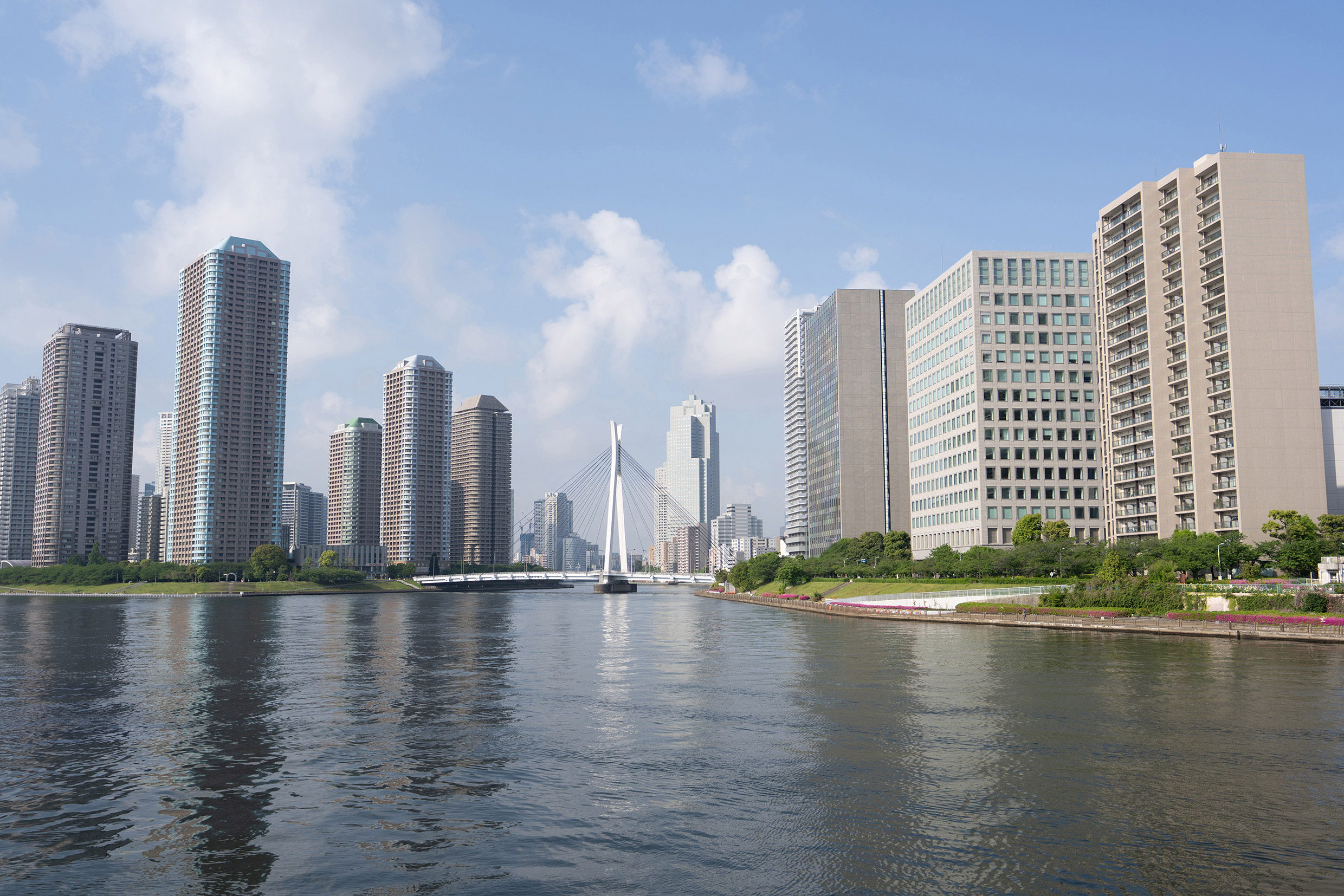
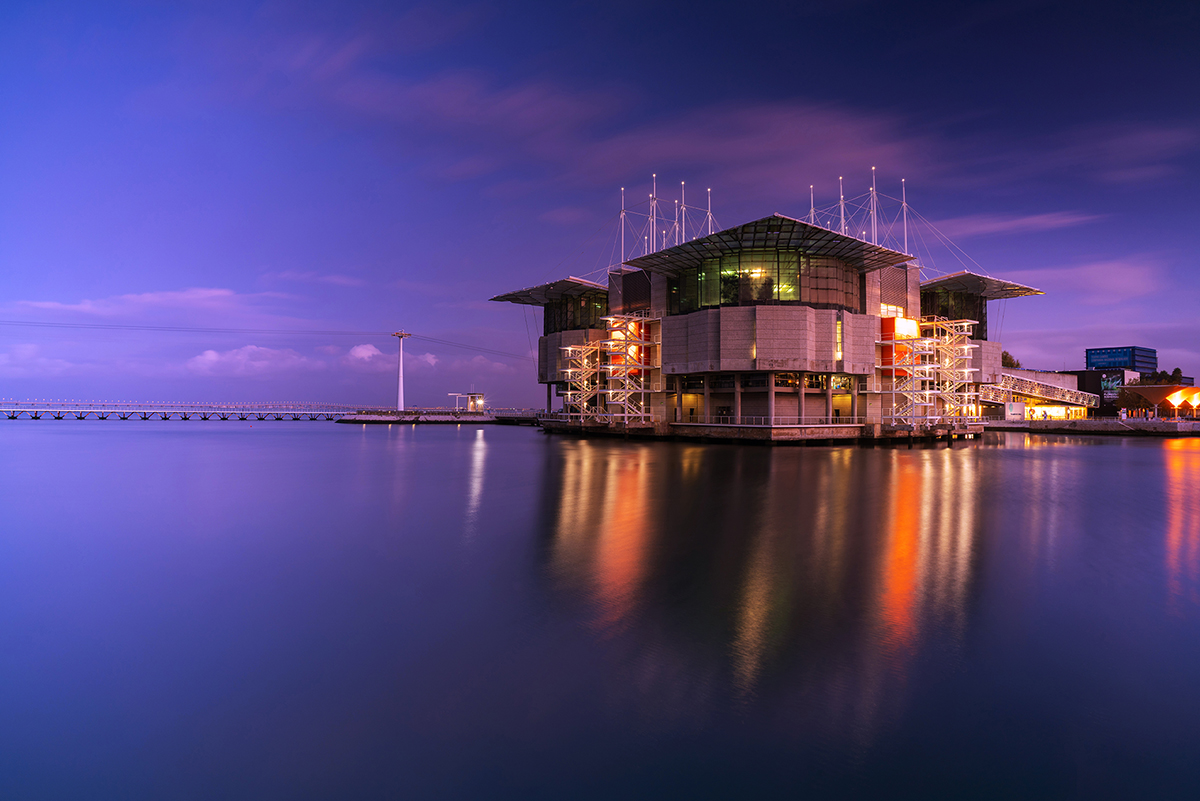
Using Light and Time of Day Effectively
The Golden Hour in the Morning and Evening
The most striking light for architectural photography is during the golden hour—shortly after sunrise and shortly before sunset. During this time, the sun is low and casts angled light onto facades, allowing shadows and details to stand out with greater depth.
This light gives buildings more dimension than harsh midday light. At the same time, the warm color temperature creates a pleasing atmosphere. Facades made of brick, wood, or other warm materials appear especially rich in evening light.
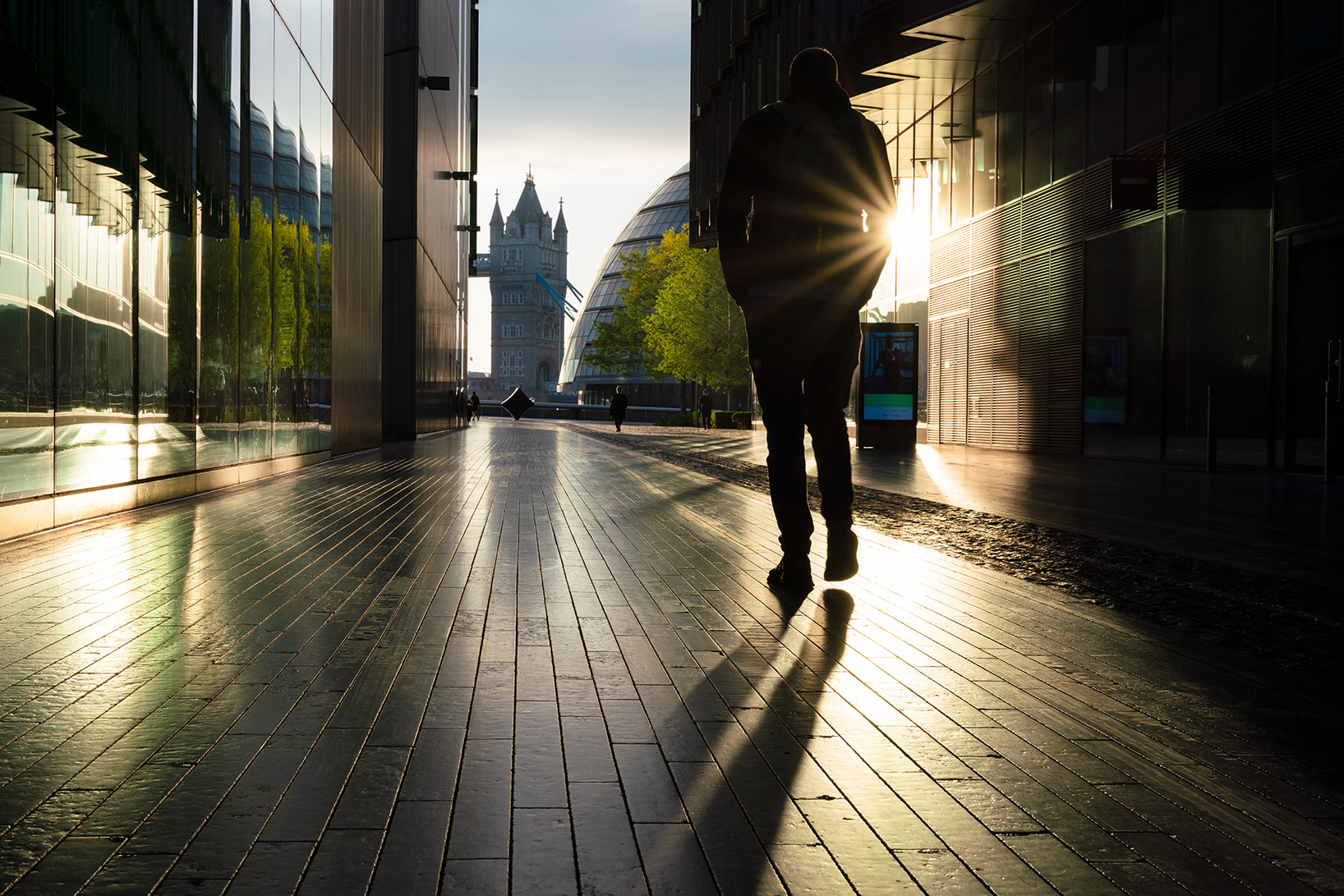
Making Effective Use of Backlight and Side Light
Backlighting is excellent for emphasizing the contours of a building and creating striking silhouettes—particularly in modern architecture. Because exposure can be challenging, manual adjustments are often necessary.
Side light, on the other hand, highlights textures, surfaces, and details. It is ideal for buildings with pronounced textures and sculptural design, enhancing their three-dimensionality.
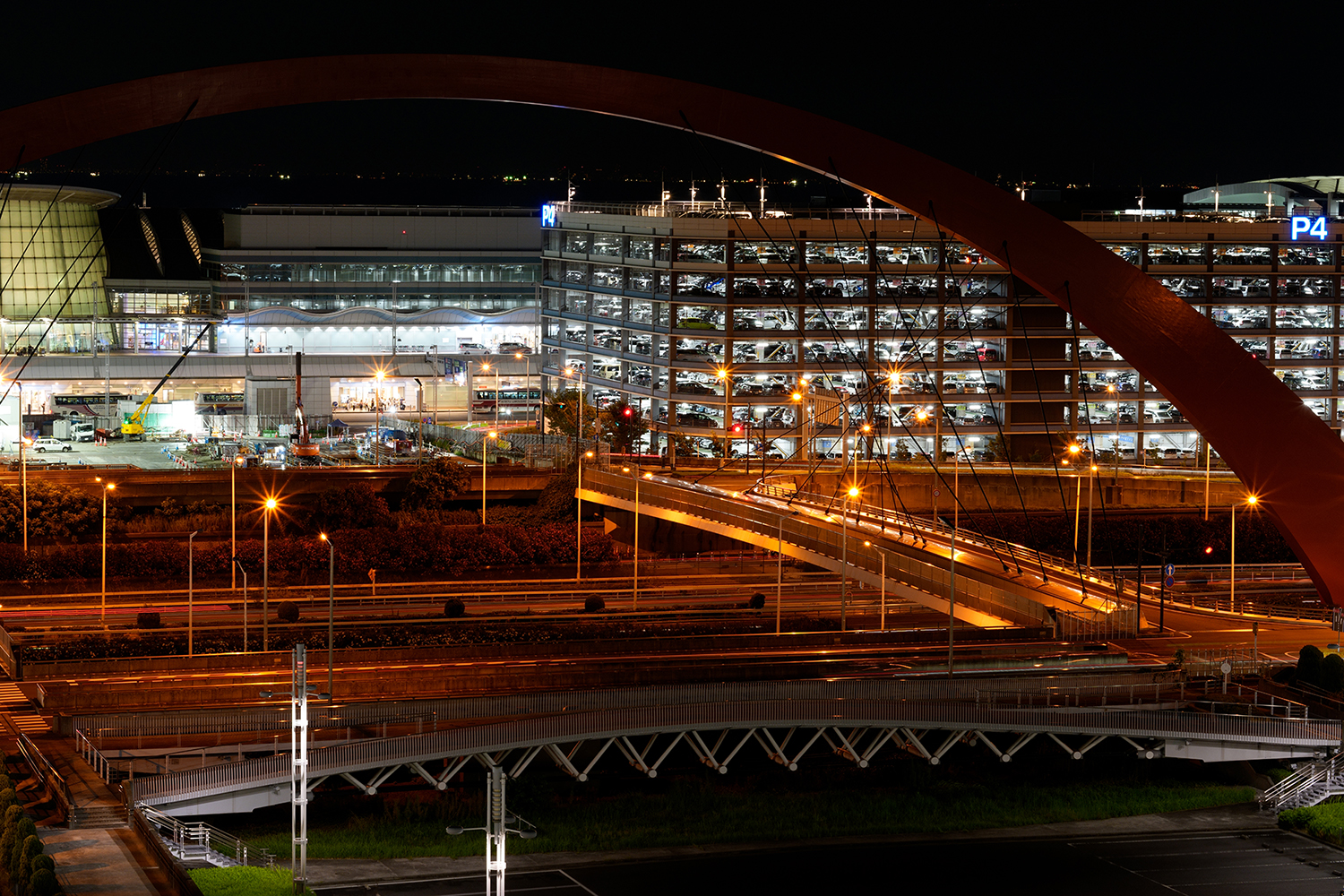
Night Photography and Exposure Control
Illuminated buildings develop a unique charm at night. Historic structures and prominent towers, in particular, appear especially majestic and atmospheric when selectively lit.
To avoid overexposure, a negative exposure compensation of about −1 to −2 EV is recommended. With a tripod, remote shutter release, low ISO, and long exposure times, it is possible to capture clear, noise-free night images.
Common Mistakes in Architectural Photography and How to Avoid Them
Avoiding Tilted Horizons and Perspective Distortion
A typical beginner’s mistake is tilted buildings. Especially with wide-angle lenses, vertical lines tend to distort toward the edges of the frame, making buildings appear as if they are “leaning backward.”
Keeping the camera as level as possible helps prevent this. Grid lines in live view or an electronic level can assist in aligning verticals and horizontals accurately.
Typical Problems with Composition, Exposure, and Light
Images that are too dark or skies that are blown out are also among the most common issues. Reviewing the metering method can help here.
If the building is the main subject, spot metering on the facade may be useful. It is equally important to consciously exclude distracting elements such as cables, signs, or passersby. Even small changes in framing can significantly improve the overall impact.
Choosing the Right Lens for Architectural Photography
Suitable Focal Lengths and Lens Selection
To capture entire buildings, wide-angle lenses in the range of approximately 15 to 35 mm are particularly suitable. A greater shooting distance also helps to better control distortion.
In tight urban spaces or interiors where stepping back is hardly possible, wide-angle lenses are especially valuable. Since perspective changes with focal length, both the angle of view and shooting distance should be considered.
Wide-Angle vs. Tilt-Shift Lenses
Wide-angle lenses are versatile and suitable for cityscapes, skyscrapers, and interiors. They create a dynamic perspective but require careful composition.
Tilt-shift lenses are specialized tools that allow precise correction of perspective distortion. They are often used by professional architectural photographers when perfectly straight lines and highly accurate representation are required.
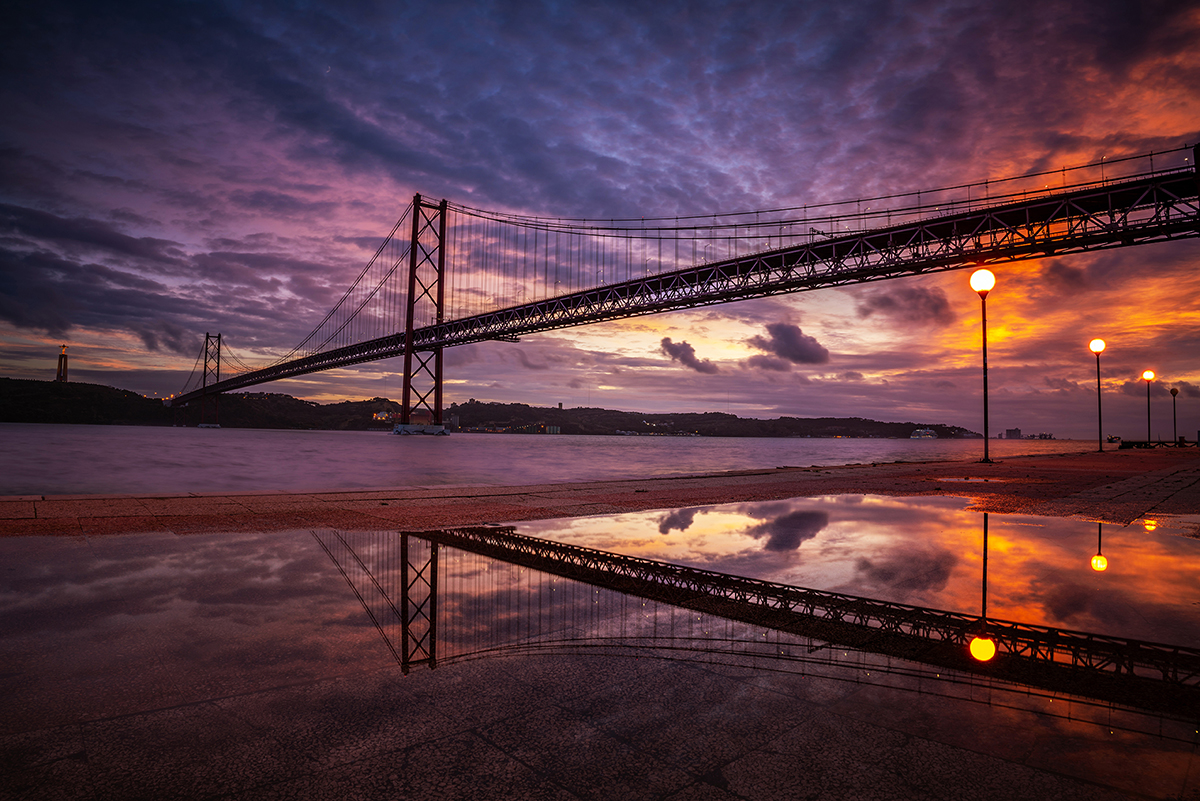
Rediscovering Architecture Through Perspective and Lenses
Architectural photography means more than just pressing the shutter button. Only through the conscious interplay of composition, light, and lens choice does a building fully reveal its impact in an image.
Even if not every shot is immediately successful, your eye develops with each photo session. Your sensitivity to light grows, and creative decisions become increasingly intuitive. Discover the fascination of architecture with your own eyes—and express it through your images.
TAMRON products mentioned in this article
16-30mm F/2.8 Di III VXD G2
Model A064
20-40mm F/2.8 Di III VXD
Model A062
20mm F/2.8 Di III OSD M1:2
Model F050
