
May 11, 2026
Photography on Rainy Days: Creative Photo Ideas and Simple Techniques for Beginners
Photography on Rainy Days
Creative Photo Ideas and Simple Techniques for Beginners
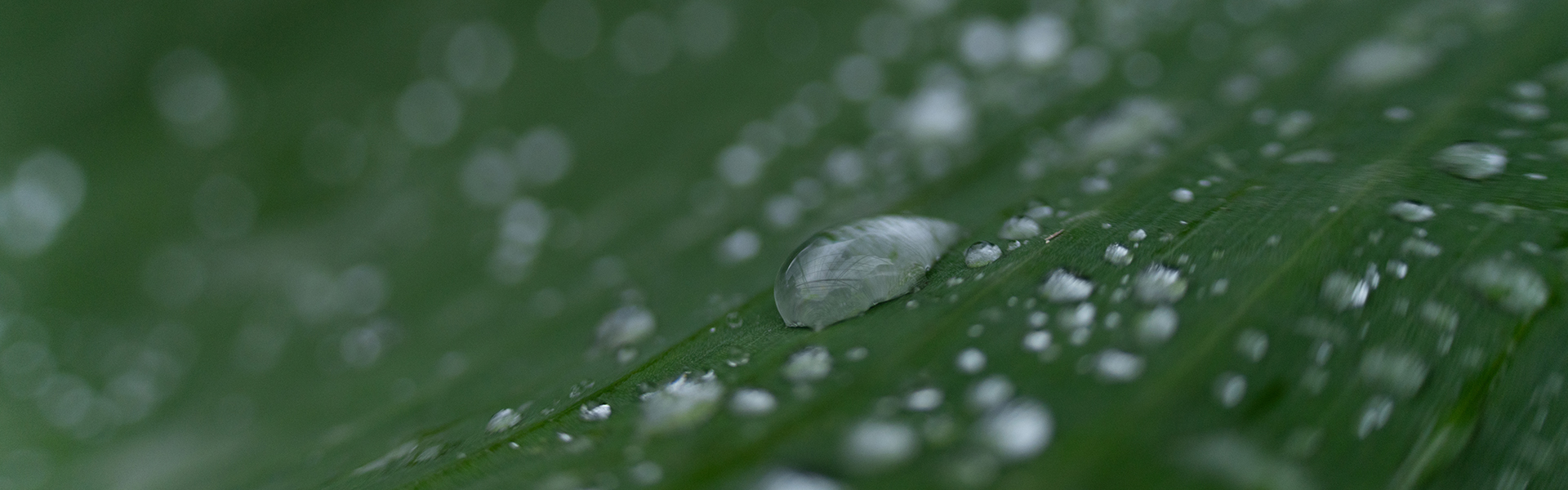
Rainy days have a photographic quality all their own. While sunny weather is often considered ideal, rain opens up a completely different visual world and significantly expands the creative possibilities of photography.
In this article, we’ll show you which subjects are especially worthwhile in the rain and how you can use simple composition and shooting techniques to create atmospheric images—even as a beginner.
The Fascination of Rain Photography
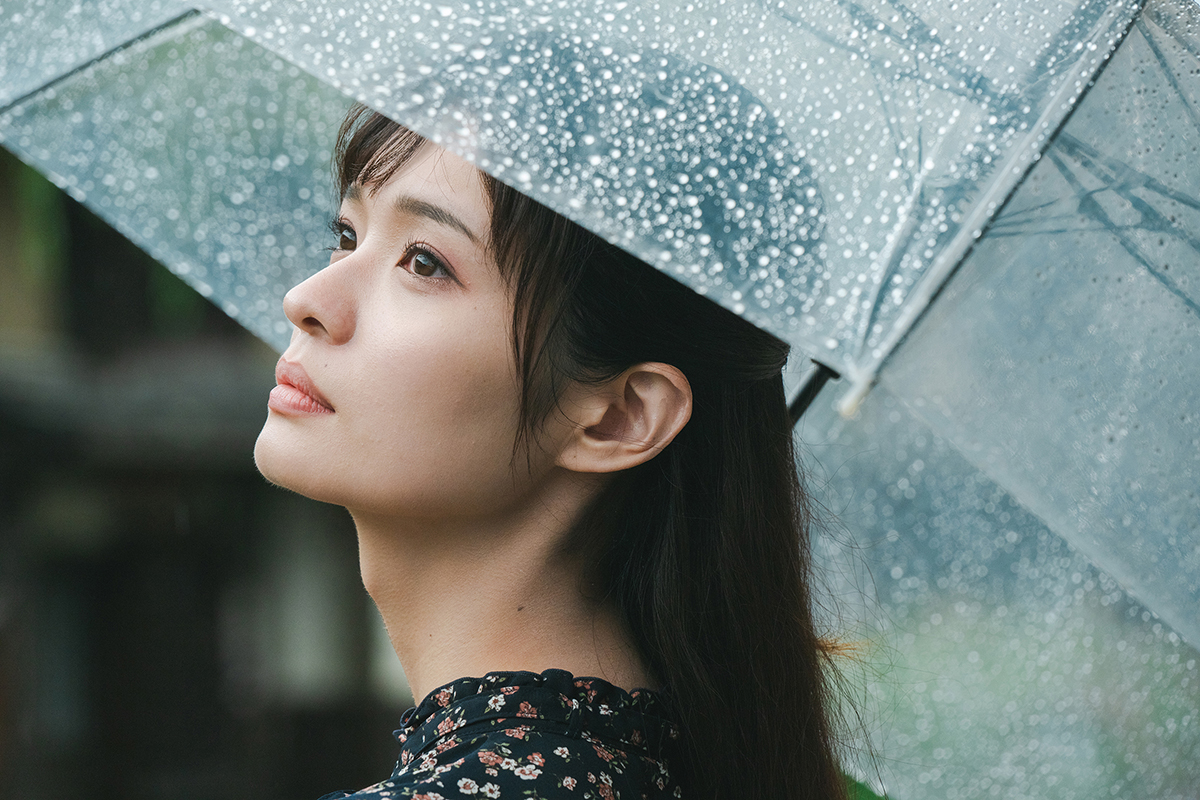
Many people are hesitant to pick up their camera when it rains. But that’s exactly where the creative potential lies: rainy days transform familiar scenes into entirely new visual worlds.
Wet surfaces add depth, texture, and a special sense of calm to urban and natural landscapes. At the same time, the absence of direct sunlight creates very soft, even lighting that avoids harsh shadows and makes subjects appear especially harmonious.
The result is images with a calm, often almost cinematic mood—even without much photographic experience.
Why Photographing in the Rain Is Worth It
Reflections and a Three-Dimensional Effect
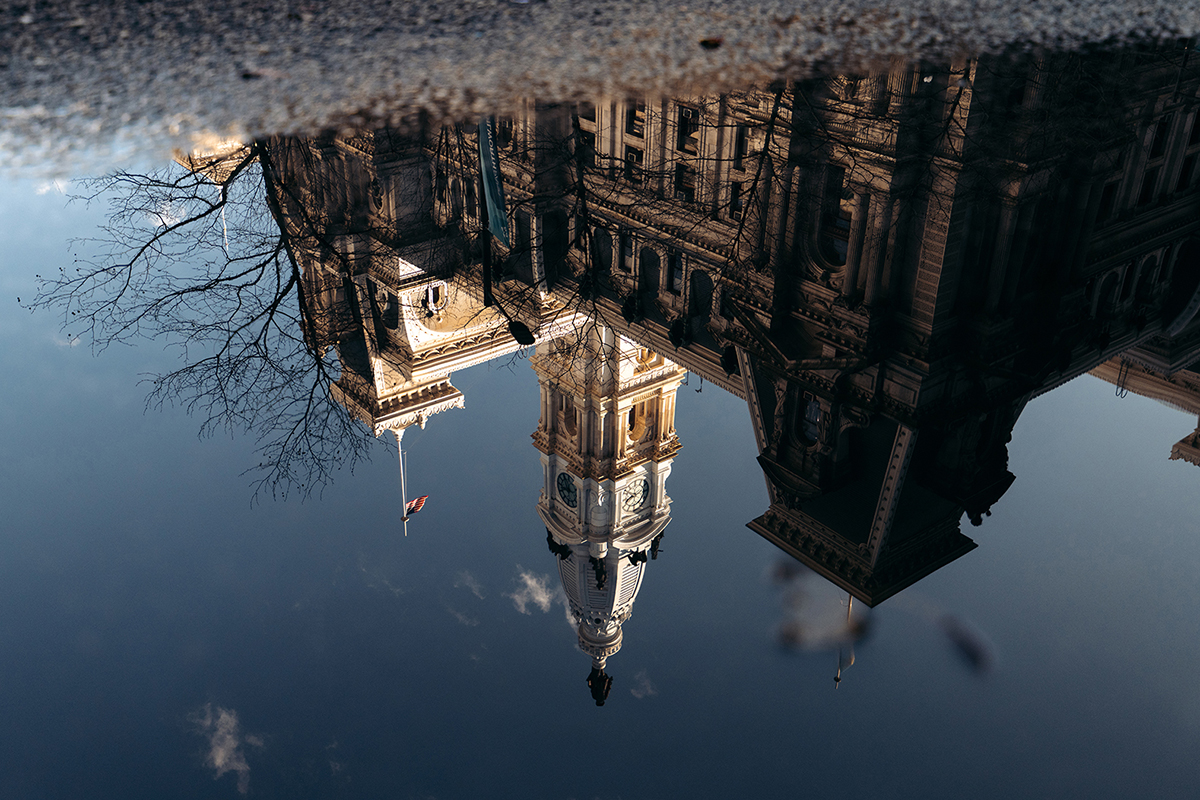
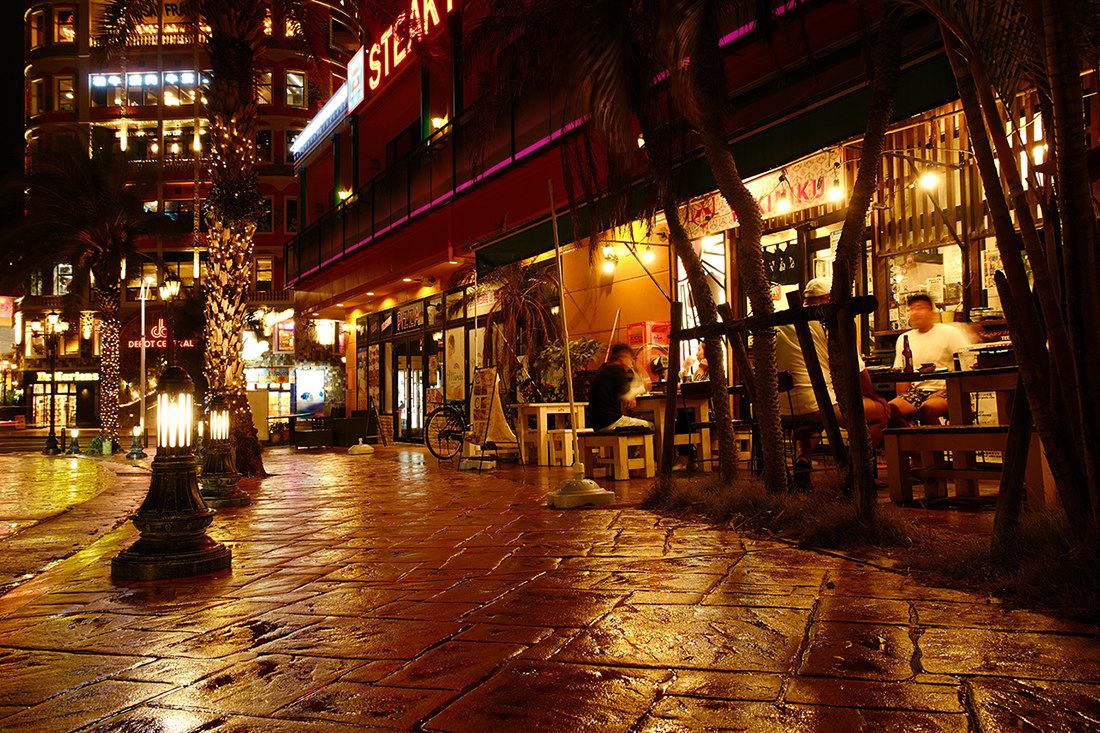
Wet streets, sidewalks, and walls reflect light in a unique way. Asphalt or cobblestone surfaces turn into reflective planes where streetlights, signs, or city lights create striking reflections.
Familiar places suddenly appear new and almost surreal. It becomes especially interesting when you intentionally work with reflections—for example through symmetrical compositions or by incorporating reflections in the foreground.
At the same time, wet surfaces enhance color depth, resulting in a calm and often very elegant overall impression.
Atmosphere Through Light and Moist Air
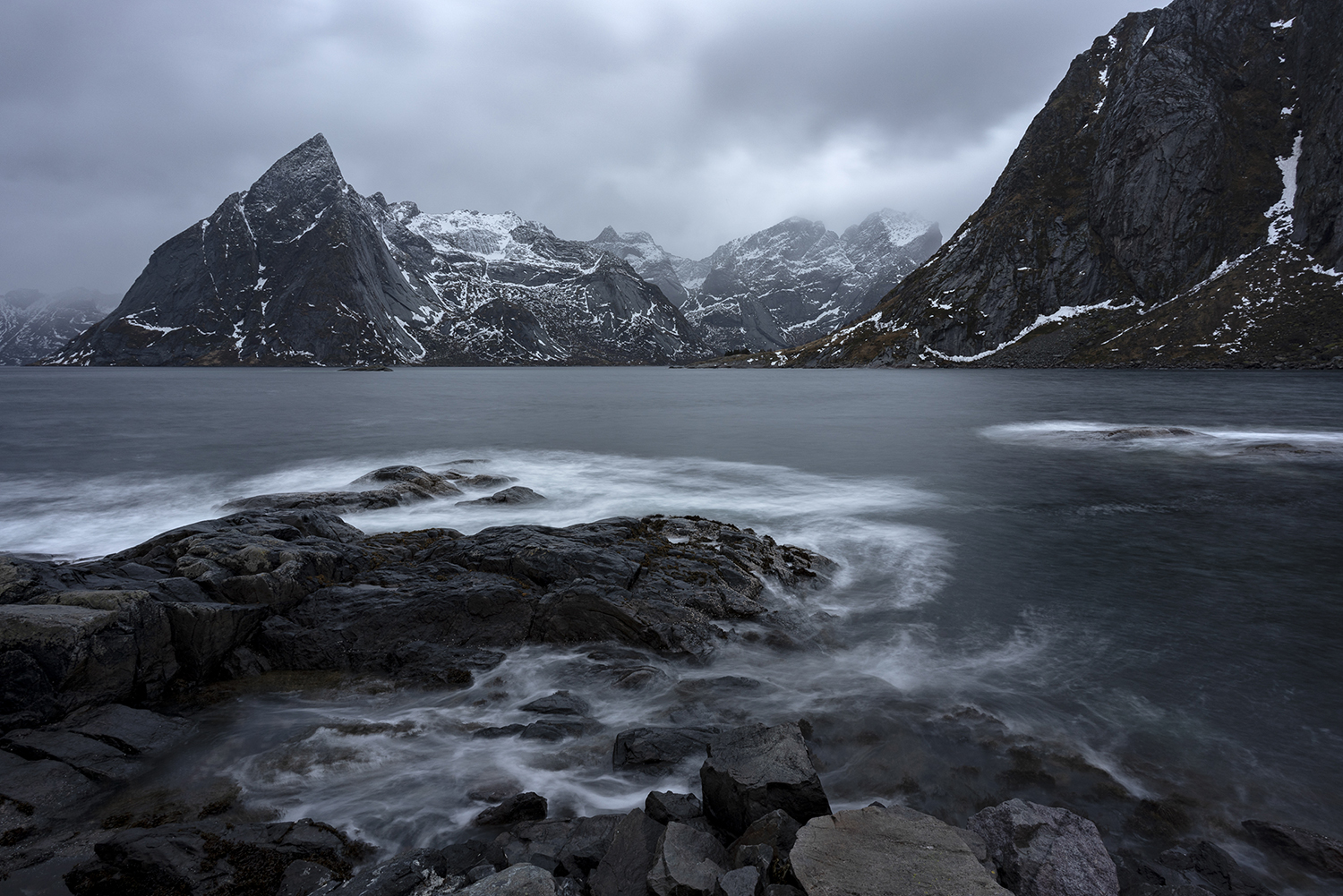
On overcast days or in light rain, the light becomes especially soft and even. As a result, there are hardly any harsh shadows, and people as well as objects appear more natural and detailed.
The moist air also creates a slightly muted, often cooler color mood. This special atmosphere gives images emotional depth—they feel quieter, calmer, and often more narrative.
Sensory impressions such as the sound of rain or the smell of wet streets also indirectly influence the perception of an image and enhance the emotional impact of the scene.
Composition and Shooting Techniques in the Rain
Start with the Subject, Then the Technique
The most important step in rain photography is having a clear image idea. Before taking the shot, think about the mood you want to convey.
Should it be a calm street scene or a dynamic image full of movement and energy? The clearer your vision, the more precisely you can align location, lens choice, and camera settings with it.
Making Rain Visible with the Right Shutter Speed
Rain can be portrayed in different ways depending on the shutter speed.
Fast shutter speed (approx. 1/1000 s)
Freezes individual raindrops and creates a dynamic effect, for example with drops falling from an awning.
Medium shutter speed (approx. 1/125–1/250 s)
Provides a natural depiction of rain with slight motion.
Longer shutter speed (approx. 1/60 s)
Creates soft, atmospheric motion blur, such as ripples in puddles.
What matters most is not the perfect technical setting, but rather the deliberate choice between movement and stillness in the image.
Image Ideas Specifically for Rainy Days
Typical rainy scenes thrive on small, deliberately used elements:
Colorful umbrellas as a pop of color in grey environments
Puddles as natural mirrors for symmetrical compositions
People seen from behind to create a more narrative effect
Perspectives shot through an umbrella to add depth
It is precisely these “everyday” subjects that reveal a special visual strength in the rain.
Creating Depth Through Foreground and Background Blur
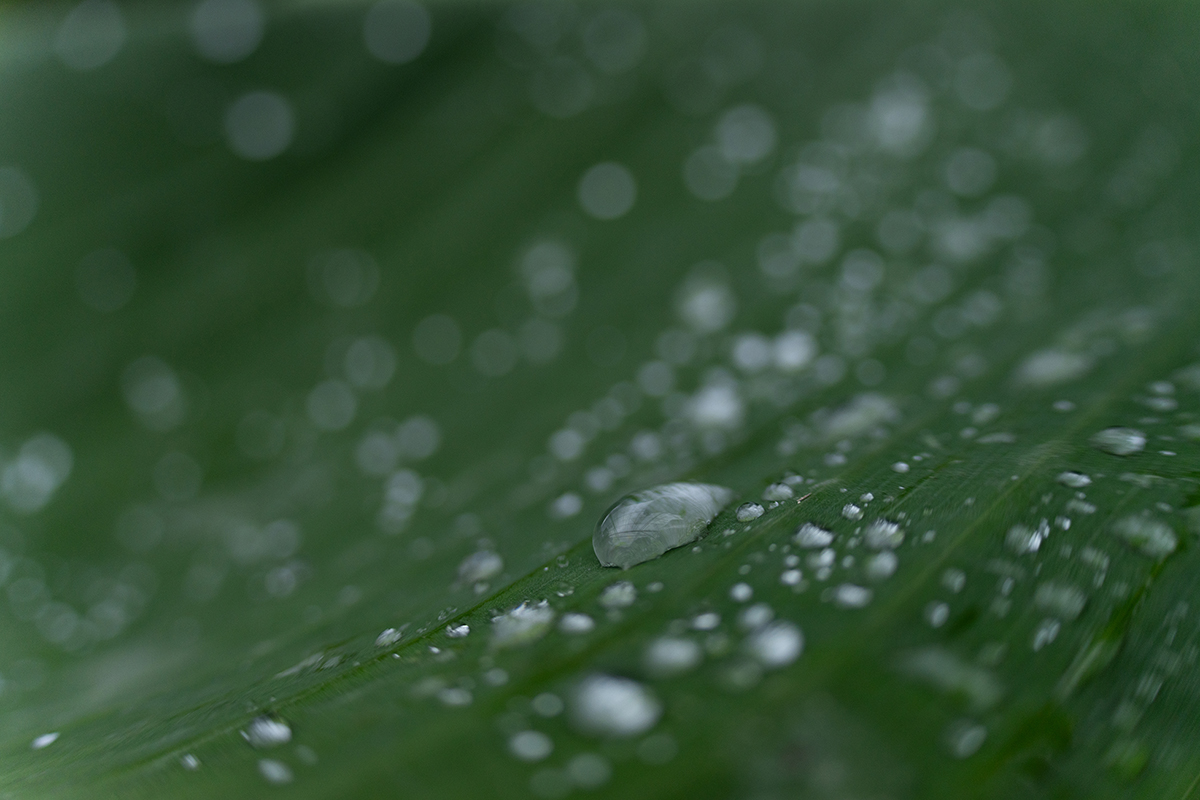
A deliberate use of depth of field helps integrate rain into the scene in an atmospheric way.
Using a telephoto lens or a wide aperture allows you to keep the main subject in sharp focus while rain, lights, or umbrellas in the foreground or background are rendered softly out of focus.
Especially in nighttime scenes, this creates glowing bokeh effects, making raindrops appear almost like floating points of light.
Camera Settings and Safety in the Rain
Key Basic Settings
Rainy conditions are often low in light. Therefore, it is recommended to use:
ISO value: approx. 400–800
White balance: “Cloudy” for a natural, warm color rendering
Exposure compensation: slightly negative to control reflections on wet surfaces
This helps preserve the typical, slightly muted rainy-day atmosphere.
Rain as a Creative Opportunity
Rain is not an obstacle to photography—in fact, it creates conditions that simply don’t exist on sunny days.
With the right approach, you can create images full of depth, calm, and atmosphere. Those who embrace this special mood will quickly discover the creative potential of rainy days.

Protecting Your Camera and Equipment
When shooting in the rain, protecting your gear is the top priority. Even simple measures can be very effective:
Rain cover or improvised protection (e.g., a plastic bag)
Microfiber cloth for regular wiping
Lens hood to protect the front element
Stable grip or use of a strap on slippery ground
It is also important to choose safe shooting locations, such as covered areas or places with little foot traffic.
Conclusion
Rain not only changes the environment but also the visual language of photography. Through reflections, soft light, and a unique atmosphere, it creates images that often feel far more emotional than those taken in sunshine.
With a bit of preparation and a mindful approach to composition, you can use rainy days intentionally to create expressive and atmospheric photographs.
