
Jul 7, 2026
Half Macro – Differences from Traditional Macro Lenses and Creative Applications
Discovering the Fascination of Small Things
Whether it’s the delicate structure of a flower, the shimmering compound eyes of a dragonfly, or the surface of a handcrafted piece of jewelry, the world is full of details that often go unnoticed by the naked eye. Macro photography makes it possible to reveal these tiny wonders and explore them from an entirely new perspective.
Alongside traditional macro lenses with a 1:1 reproduction ratio, so-called half macro lenses have become increasingly popular. They offer an excellent balance between impressive detail reproduction and a natural image composition that intentionally includes the surrounding environment. This makes them suitable not only for classic macro subjects but also for a wide range of other photographic genres.
But what exactly does "half macro" mean, how does it differ from a 1:1 macro lens, and which subjects can be photographed particularly effectively with it?
What Is a Half Macro Lens?
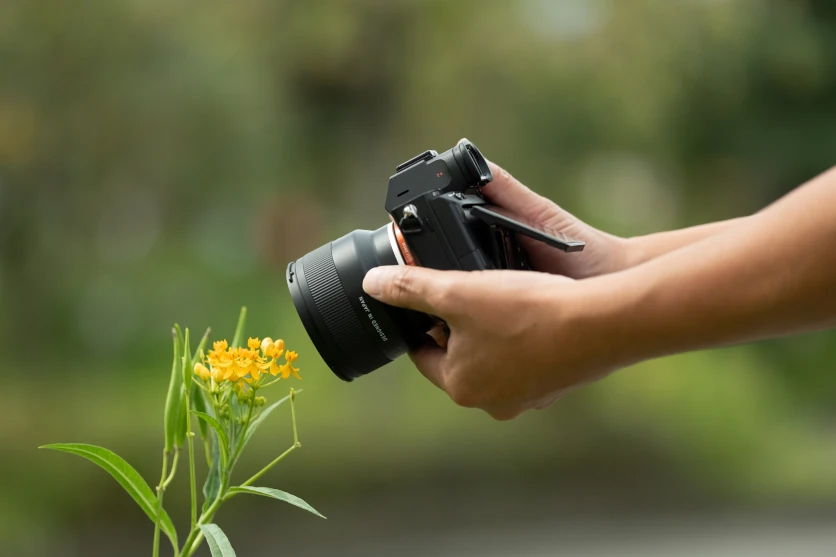
To understand the term half macro, it is helpful to first look at the concept of the reproduction ratio (or magnification ratio). This describes the relationship between the actual size of a subject and its size as projected onto the camera sensor.
A traditional macro lens with a 1:1 reproduction ratio reproduces the subject at life size on the sensor. For example, an object measuring 10 mm in reality will also measure 10 mm on the camera sensor.
A half macro lens, by contrast, typically offers a maximum reproduction ratio of 1:2. This means the subject is projected onto the sensor at half its real-life size. Although the magnification is lower, it still captures remarkable details that would be difficult or impossible to achieve with a standard lens.
Another important term is the minimum focusing distance, which refers to the closest distance at which a lens can still achieve focus. Half macro lenses allow photographers to focus much closer than conventional lenses, opening up a wide variety of creative possibilities.
For photographers who do not exclusively shoot extreme close-ups, half macro lenses offer exceptional versatility.
Half Macro vs. 1:1 Macro – What Are the Differences?
Both half macro and traditional macro lenses are designed for close-up photography, but they differ significantly in image rendering and handling.
A 1:1 macro lens is ideal when even the finest structures need to be reproduced at maximum size. Subjects such as insect eyes, pollen grains, crystals, or technical components benefit greatly from this level of magnification. However, the extremely shallow depth of field also makes precise focusing much more challenging.
Half macro lenses provide a lower magnification while offering slightly greater depth of field. At the same time, they maintain a greater working distance from the subject, which is particularly advantageous when photographing shy insects or delicate plants.
Furthermore, half macro photography allows the background to be integrated more harmoniously into the composition. This creates a more natural appearance and provides environmental context that is often lost in extreme macro photography.
For many photographers, half macro lenses represent the perfect compromise between dedicated macro photography and versatile everyday shooting.
Why Are Half Macro Lenses So Versatile?
While traditional macro lenses are often used almost exclusively for close-up photography, half macro lenses perform exceptionally well across many different photographic situations.
Their high optical quality, close focusing capability, and often beautiful background blur (bokeh) make them equally suitable for portraits, food photography, and street photography. At the same time, they allow spontaneous close-up shots without constantly switching lenses.
This versatility makes half macro lenses especially attractive for photographers who enjoy capturing a wide variety of subjects while remaining flexible.
Popular Subjects for Half Macro Photography
Flowers and Plants
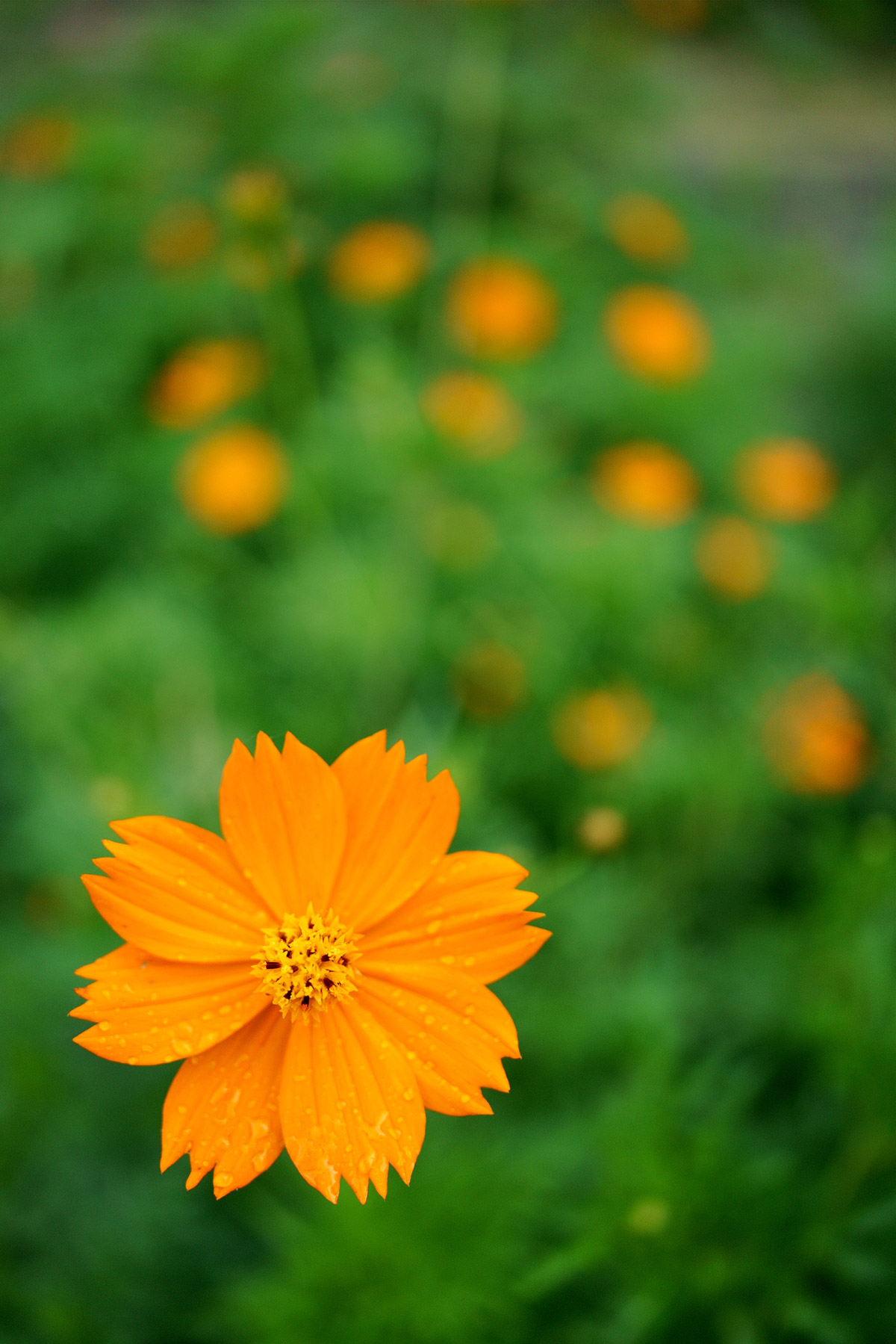
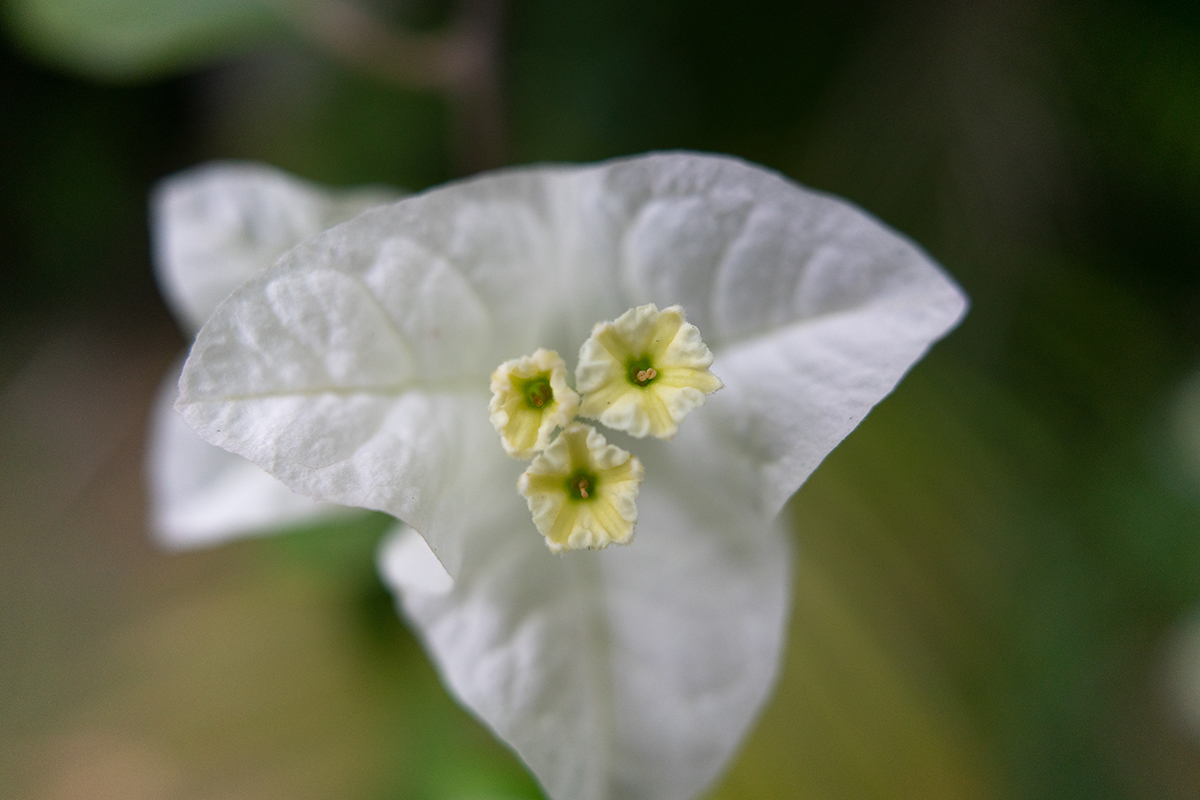
Flowers are among the most popular subjects in close-up photography. A half macro lens beautifully captures delicate petals, dew drops, and intricate leaf veins.
The slightly longer shooting distance also creates a pleasing balance between the main subject and the background. Rather than disappearing completely into blur, the surroundings contribute to the image and create a more natural atmosphere.
Spring and summer, in particular, offer ideal opportunities for atmospheric nature photography that combines fine detail with environmental context.
Insects
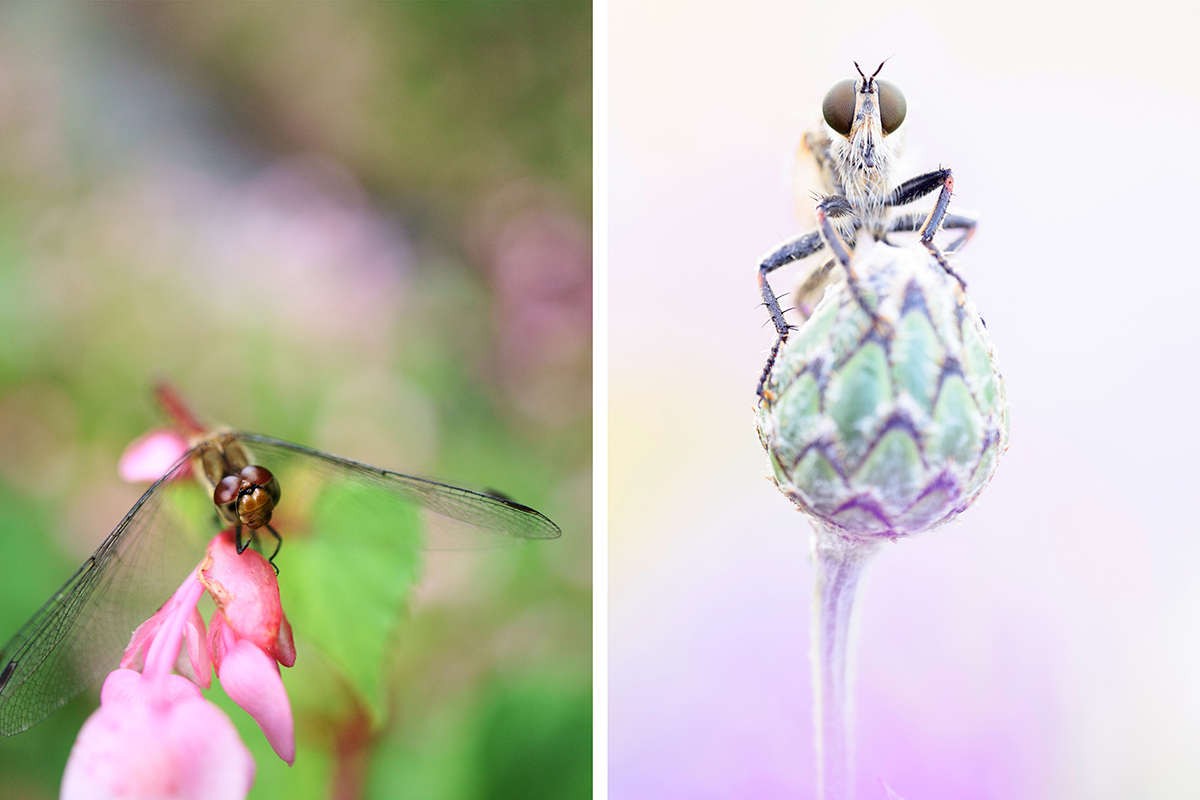
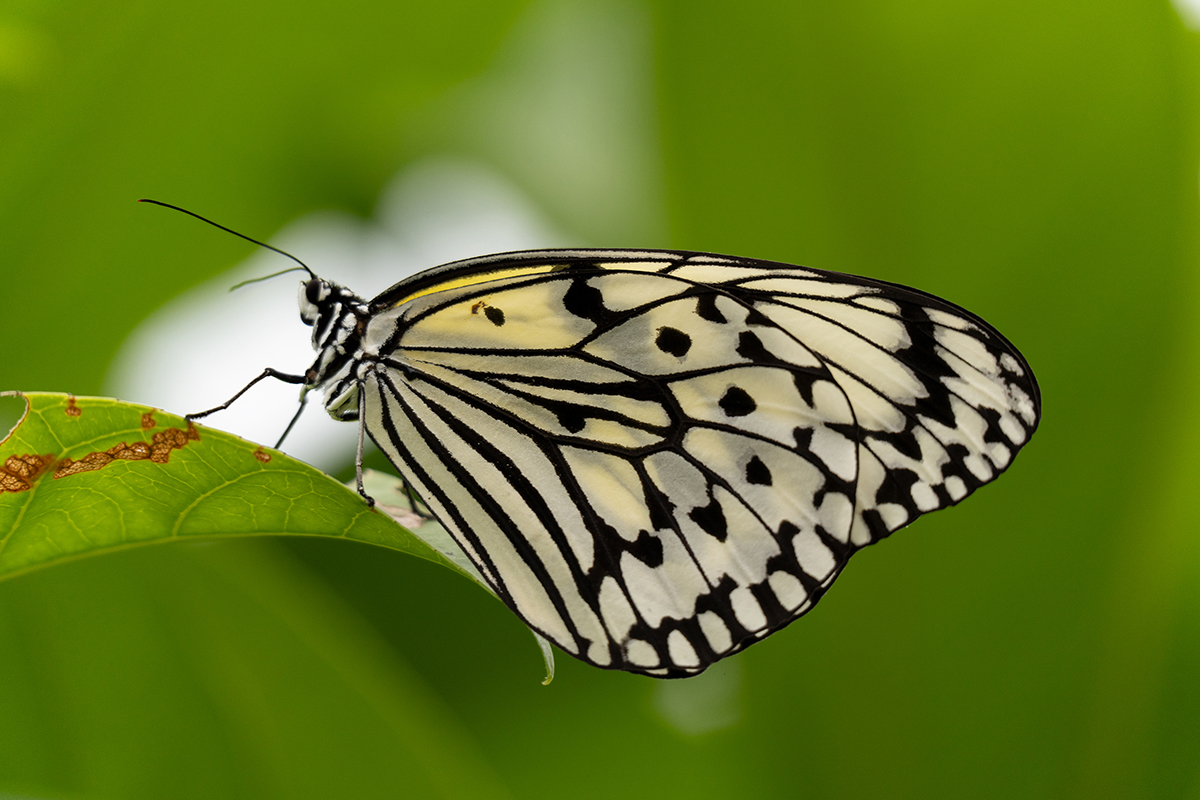
Butterflies, bees, beetles, and dragonflies are among the most fascinating macro subjects.
Half macro lenses offer a significant advantage here: thanks to the longer working distance compared to a 1:1 macro lens, many insects can be photographed without disturbing them.
At the same time, fine details such as wing patterns, body hairs, and shimmering compound eyes can be captured beautifully. The natural surroundings remain softly blurred in the background, enhancing the overall image.
Everyday Objects
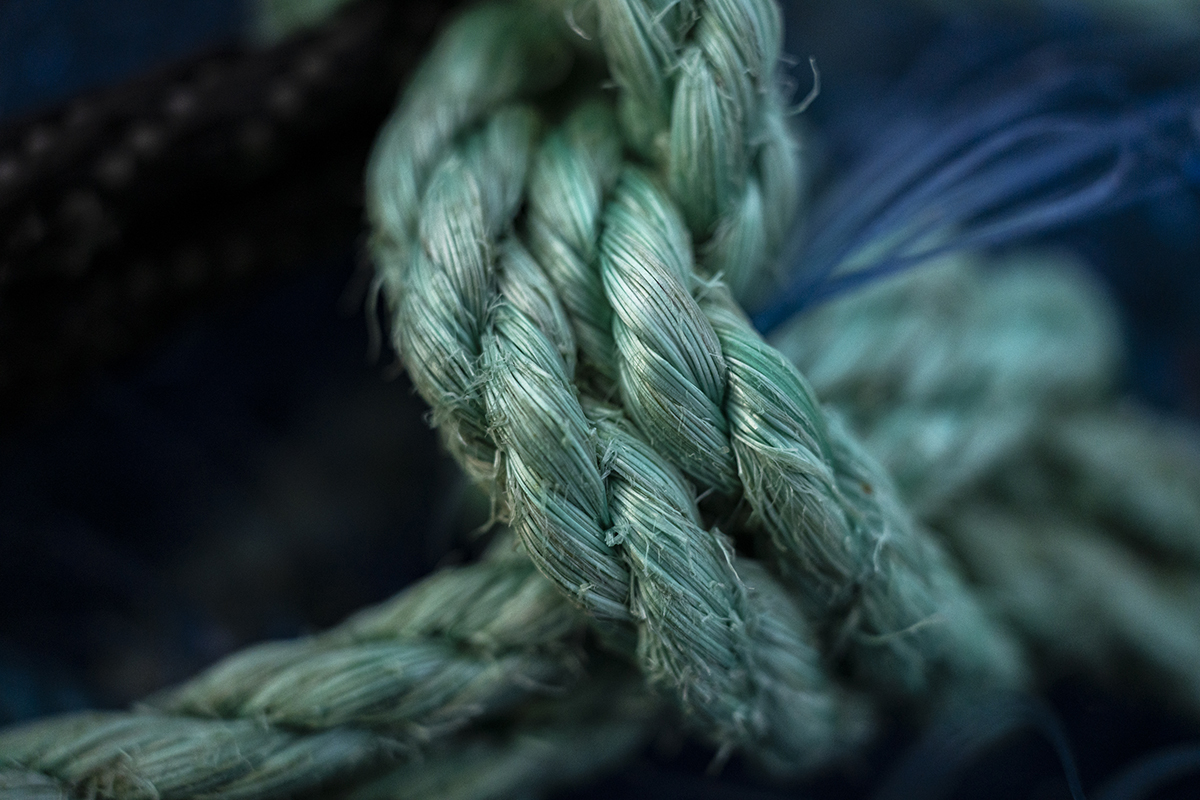
Even ordinary objects take on a completely new appearance through half macro photography.
The fine grain of wood, the texture of leather, the engraving on a watch, or the surface of ceramics become visible, adding a unique sense of craftsmanship and quality to everyday items.
Half macro photography offers countless creative opportunities for product photography and social media content creation.
Food and Tabletop Photography
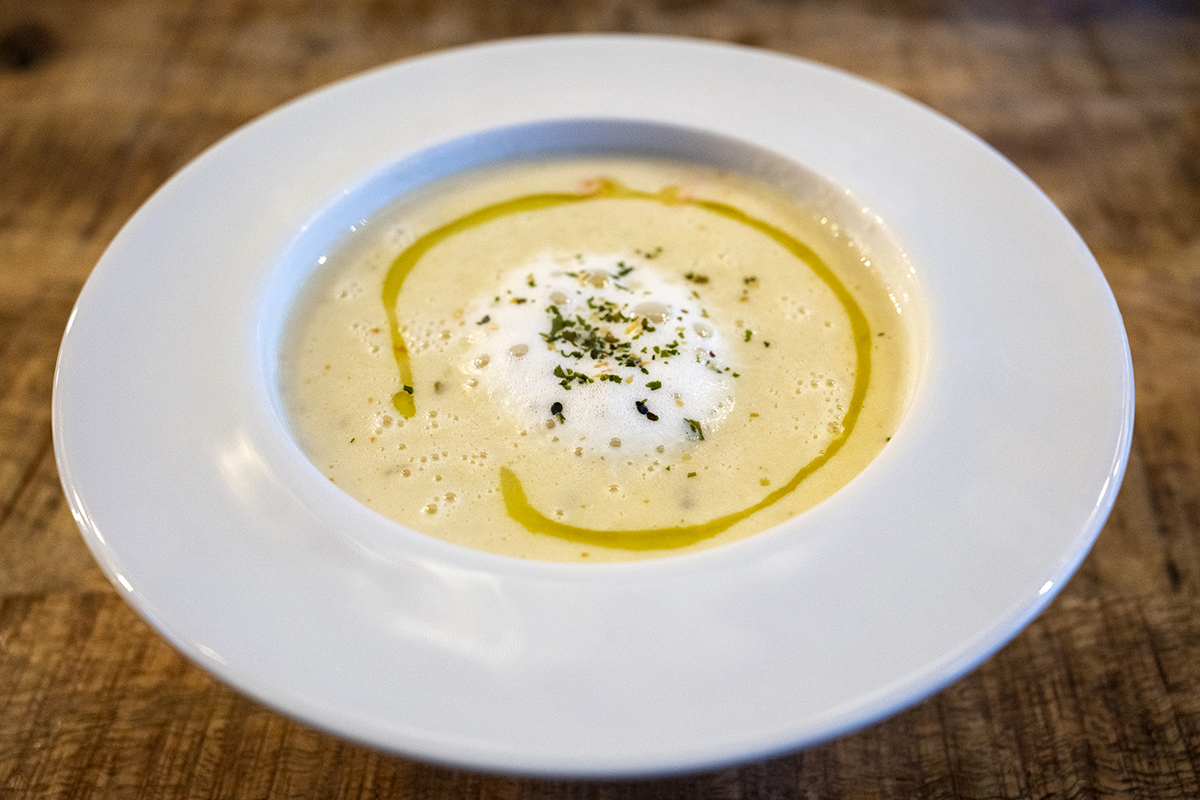
In food photography, the presentation of textures is crucial.
A half macro lens captures crispy crusts, glossy fruit, and creamy surfaces with stunning detail. At the same time, the shallow depth of field naturally guides the viewer’s attention toward the main subject.
Decorative elements and tableware can softly fade into the background, adding depth and atmosphere to the composition.
Portrait Photography
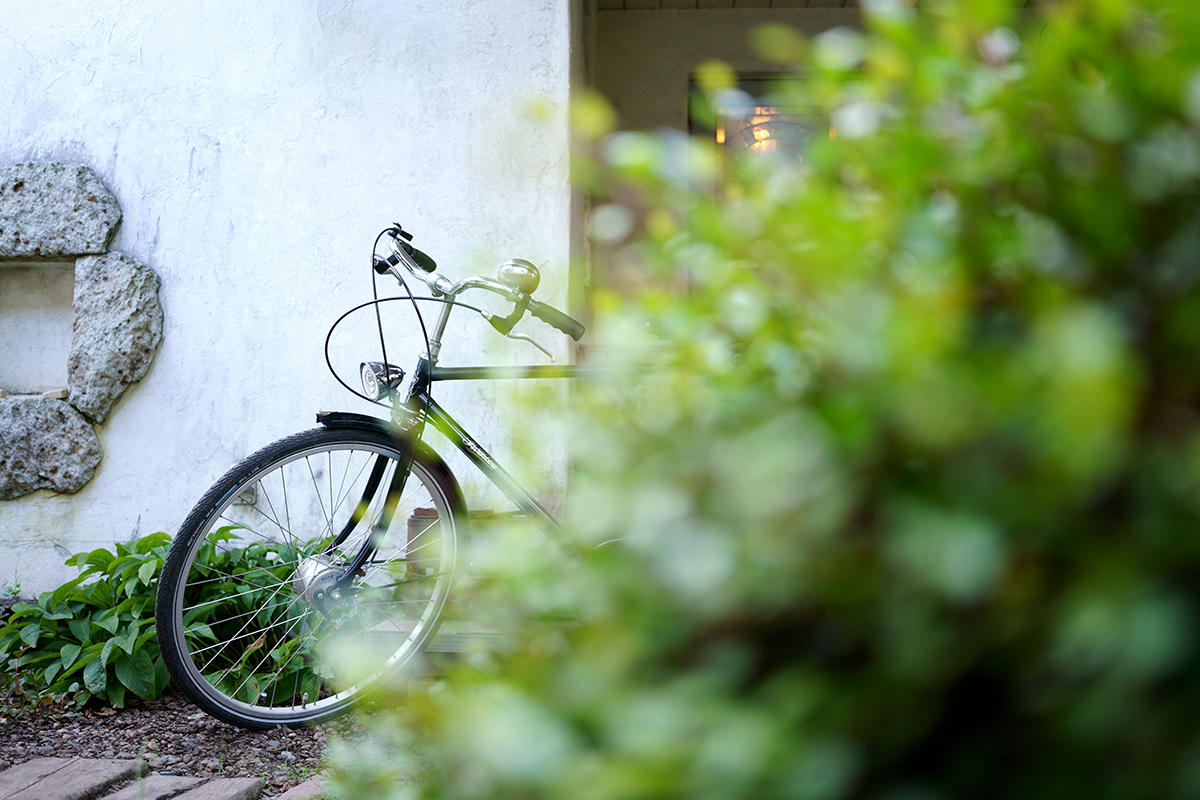
Many photographers also use half macro lenses for portraits.
Their high resolving power delivers exceptionally sharp details, while the smooth bokeh creates a beautifully blurred background. The result is natural and expressive portraits with a premium visual quality.
Street and Documentary Photography
Half macro lenses also excel beyond traditional macro photography.
They make it easy to capture small details of everyday life, from shop displays and street decorations to architectural textures and patterns. At the same time, people and urban scenes can be photographed with pleasing subject separation and attractive background blur.
Tips for Successful Half Macro Photography
Focus Carefully
In close-up photography, even a millimeter can dramatically influence the final image.
Always place focus on the most important detail, such as an insect’s eye or the stamens of a flower. For extremely small subjects, manual focusing often delivers more precise results than autofocus.
Keep the Composition Simple
Macro photographs are often most effective when they feature a clean and uncluttered composition.
A calm background free from distracting elements naturally directs attention toward the subject. Experimenting with different shooting angles can also reveal interesting new perspectives.
Pay Attention to the Background
Although macro lenses create beautiful bokeh, the background should still be considered an active part of the composition.
Matching colors, natural textures, or subtle reflections can greatly influence the mood of an image and add visual depth.
Avoid Camera Shake
The closer you move toward your subject, the more sensitive the image becomes to even the slightest movement.
Fast shutter speeds of at least 1/125 to 1/200 second help prevent motion blur. Under difficult lighting conditions or when maximum detail is required, using a tripod is highly recommended.
Use Light Creatively
Light is one of the most important creative elements in macro photography.
Side lighting emphasizes fine textures particularly well, while backlighting highlights transparency and contours. Front lighting provides vibrant colors and even illumination but may produce a flatter appearance.
Experimenting with different lighting conditions can significantly improve your results depending on the subject.
What Should You Consider When Buying a Half Macro Lens?
Besides the maximum reproduction ratio, several additional factors should be considered.
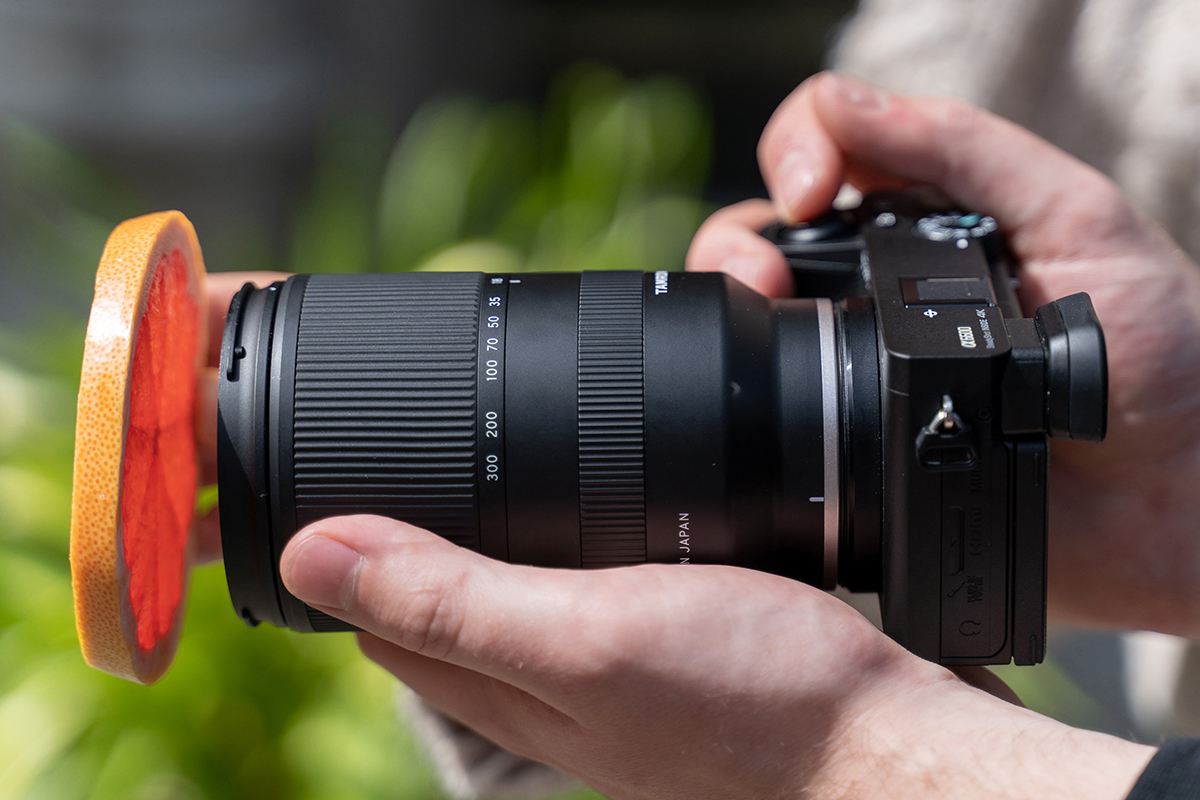
A short minimum focusing distance enables especially creative perspectives. The focal length influences both the angle of view and background blur, while a large maximum aperture not only improves low-light performance but also creates exceptionally smooth bokeh.
Photographers who frequently shoot handheld will also benefit from integrated image stabilization. A fast and quiet autofocus system makes photographing moving subjects such as butterflies and insects much easier.
Weight and overall size should also be considered, especially if the lens will often be used for travel or hiking.
Conclusion: Half Macro Combines Detail with Versatility
Half macro lenses bridge the gap between dedicated macro lenses and versatile prime lenses. They enable impressive close-up photography without losing sight of the surrounding environment while offering remarkable flexibility across a wide variety of photographic situations.
Whether photographing flowers, insects, food, everyday objects, or portraits, a half macro lens opens up creative possibilities that extend far beyond traditional macro photography. For anyone who wants to rediscover the small details of everyday life while maintaining photographic versatility, this class of lenses is an outstanding companion for almost any shooting situation.
