Sep 7, 2026
Child Photography Tips: Camera Settings for Sharp, Natural Photos
How to Photograph Children: Tips and Camera Settings for Natural Photos
Photographing children comes with a particular challenge: they rarely sit still for long, react spontaneously and quickly lose interest in the camera. Yet these are precisely the conditions that produce the most lively and personal images.
With the right camera settings and a few simple child photography tips, you can capture children naturally, freeze fast movement and preserve genuine emotions. The key is to have your camera ready before the special moment happens.
For children at play, start with these settings:
Shutter speed: at least 1/500 sec
Aperture: f/2.8 to f/4
ISO: Auto ISO or adjusted to the available light
Autofocus: AF-C or AI Servo
Subject detection or Eye AF: enabled
Continuous shooting: short bursts
File format: RAW or RAW + JPEG
For children who are running, jumping or swinging, a shutter speed of 1/800 to 1/1000 sec is often the better choice. For a calm child portrait, around 1/250 sec may be sufficient, depending on the focal length and the child’s age.
Child photography camera settings at a glance
The best camera settings for photographing children depend mainly on how quickly the child is moving and how much light is available.
These values are starting points. Adapt them to the movement, the light and the look you want. If you have to choose between a slightly noisy photo and a blurred one, the sharp image taken at a higher ISO is almost always the better option.
Which camera settings are best for child photography?
Aperture priority, shutter priority or manual mode?
There is no single correct exposure mode for child photography. What matters is preventing the shutter speed from becoming too slow without you noticing.
The following options work particularly well.
Manual mode with Auto ISO
You set the shutter speed and aperture while the camera automatically adjusts the ISO to the available light. This is especially useful when a child moves between brighter and darker areas.
For a child at play, for example, set 1/800 sec and f/2.8 or f/4. The camera then only needs to adjust the ISO.
Shutter priority
Depending on the camera manufacturer, this mode is labelled S or Tv. You select a fast shutter speed and the camera chooses the appropriate aperture. It is a simple option when your main aim is to avoid motion blur.
Aperture priority
Depending on the camera, this mode is labelled A or Av. You choose the aperture and therefore control the depth of field. Always check that the camera is still selecting a sufficiently fast shutter speed. If possible, set a minimum shutter speed in the Auto ISO menu.
Shutter speed: freeze movement reliably
Children move quickly and often without warning. A shutter speed that would be sufficient for an adult portrait can therefore produce visible motion blur when photographing a child.
Use these values as a guide:
Calm portrait: 1/250 sec or faster
Gentle play: 1/400 to 1/500 sec
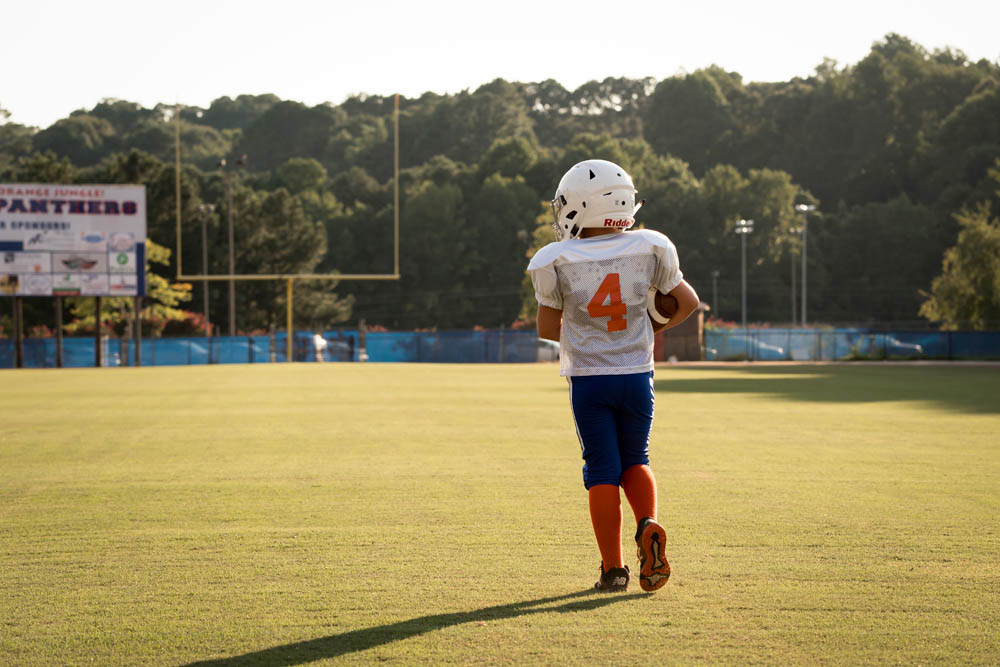
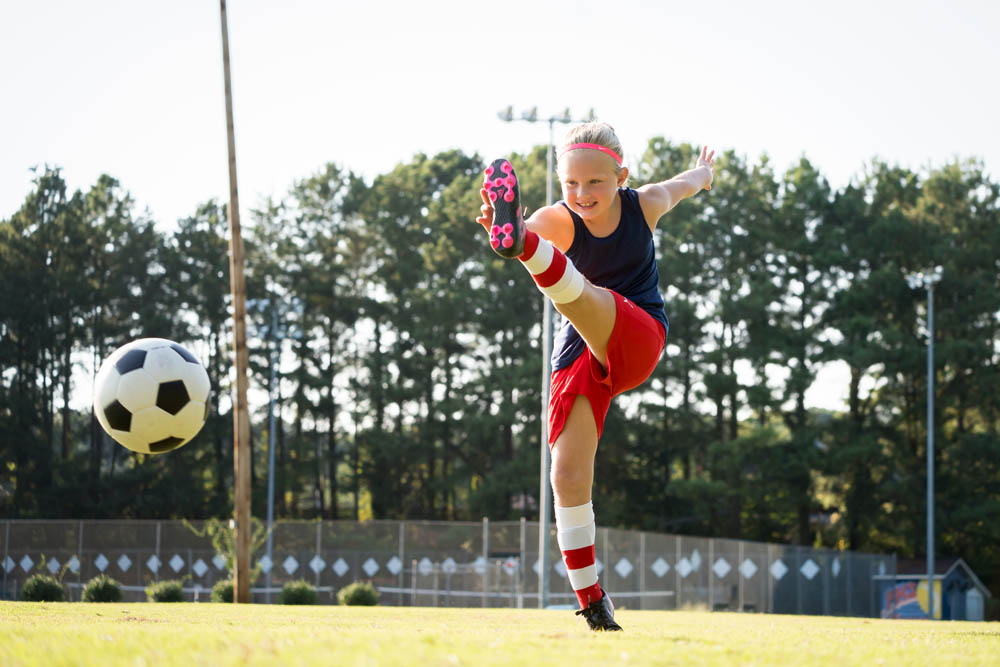
Running, jumping or dancing: 1/800 to 1/1250 sec
Swinging, cycling or fast sport: 1/1000 to 1/2000 sec
If the photo is blurred even though focus is in the correct place, the shutter speed was often too slow. Choose a faster speed and raise the ISO if necessary.
Aperture: balance background separation and depth of field
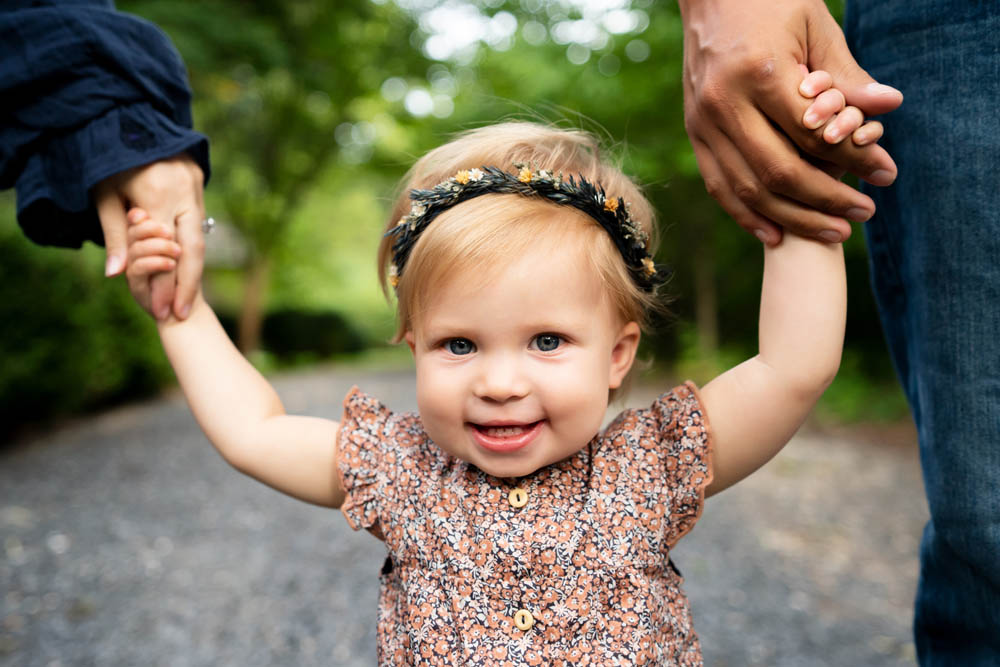
A wide aperture separates the child from the background and creates soft bokeh. At the same time, the area in focus becomes shallower. This can cause problems when the child moves towards the camera or when several children are not standing on the same focal plane.
Good starting points are:
One child: f/2.8 to f/4
Calm portrait with strong background separation: f/2 to f/2.8
Two children next to each other: f/4 to f/5.6
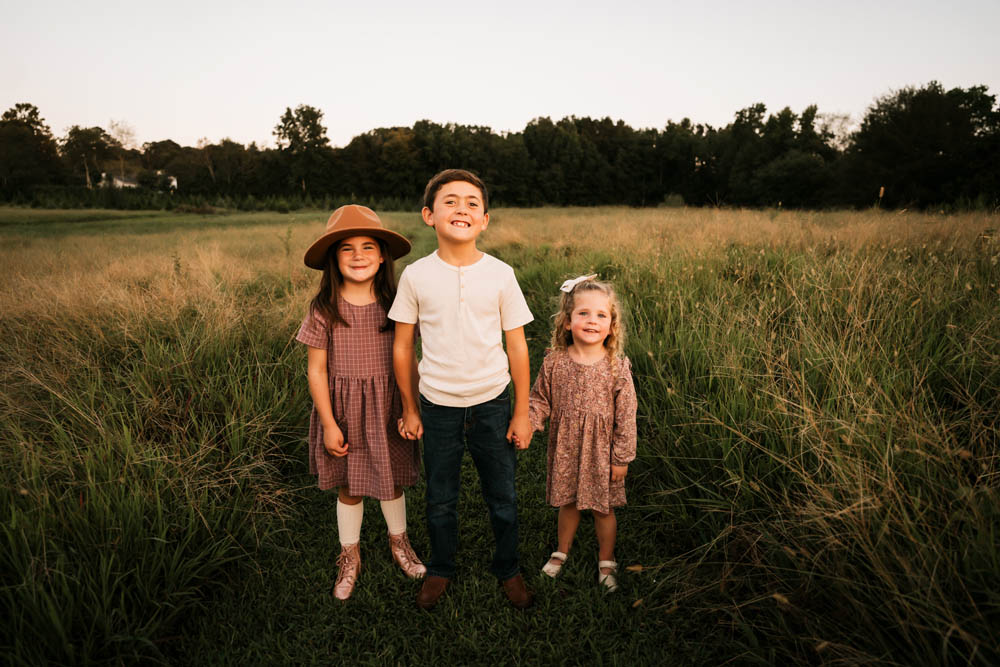
Small group or family: f/5.6 to f/8
At a very wide aperture, one eye may be sharp while the other is already slightly out of focus. Review your photos regularly and stop the lens down a little when you need greater depth of field.
ISO: as low as possible, as high as necessary
ISO compensates for the available light. Outdoors in good daylight, ISO 100 to 400 is often enough. Indoors or at dusk, ISO 800, 1600 or 3200 may be necessary.
A higher ISO does create more image noise. A shutter speed that is too slow, however, causes motion blur that is difficult to correct afterwards.
Auto ISO is therefore particularly helpful for spontaneous child photography. If your camera offers the option, set a sensible upper limit. The highest ISO that still delivers good image quality depends on your camera and how the photographs will be used.
Shoot in RAW format
RAW files give you more flexibility when editing. This is particularly useful with backlighting, changing light and very light or dark clothing.
If you want to share images immediately, save RAW and JPEG at the same time. Make sure you use a sufficiently large and fast memory card.
Set autofocus and continuous shooting correctly
Use continuous autofocus
For moving children, use continuous autofocus: AF-C on many mirrorless cameras and some DSLRs, or AI Servo on Canon DSLRs.
As long as you keep the shutter button half-pressed or use a separate back-button focus control, the camera continuously attempts to track changes in distance.
For a calm portrait, AF-S or One Shot may be sufficient. As soon as the child moves towards or away from you, continuous autofocus is usually more reliable.
Enable Eye AF and subject detection
Many mirrorless cameras automatically recognise faces and eyes. Enable Eye AF and select human subject detection if the option is available.
With several people in the frame, the camera may select the wrong face. Check in the viewfinder which eye is marked and switch the detected subject when necessary.
Depending on the model, DSLRs may also offer face or eye detection in Live View. When using the optical viewfinder, choose a single focus point, a group of points or the camera’s subject-tracking function instead.
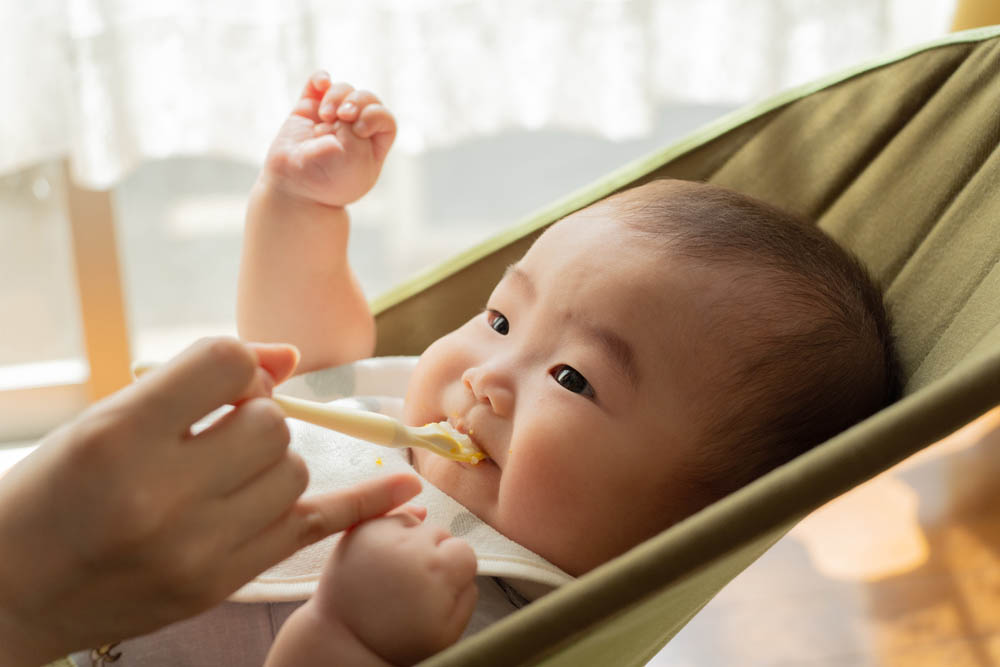
Focus on the nearer eye
In a portrait, the eye closest to the camera should normally be sharp. This is especially important when the head is turned to one side.
If the camera cannot detect the eye reliably, place a small focus point over the face or the nearer eye. With faster movement, a slightly larger focus zone is often more reliable than a very small single point.
Use short bursts instead of holding the shutter down
Continuous shooting increases the chance of capturing exactly the right expression or the highest point of a jump. Even so, avoid shooting every situation continuously for several seconds.
Short bursts of three to six frames are usually sufficient. This keeps the selection manageable and avoids filling the camera’s buffer unnecessarily.
Pre-focus for predictable movement
If the child repeatedly passes the same point - on a swing, on a slide or when jumping into a puddle, for example - you can pre-focus on that spot.
This is particularly useful when leaves, water, playground equipment or other foreground objects distract the autofocus.
Which lens is best for child photography?
The right focal length depends on how much of the surroundings you want to show and how close you can be to the child while taking photos.
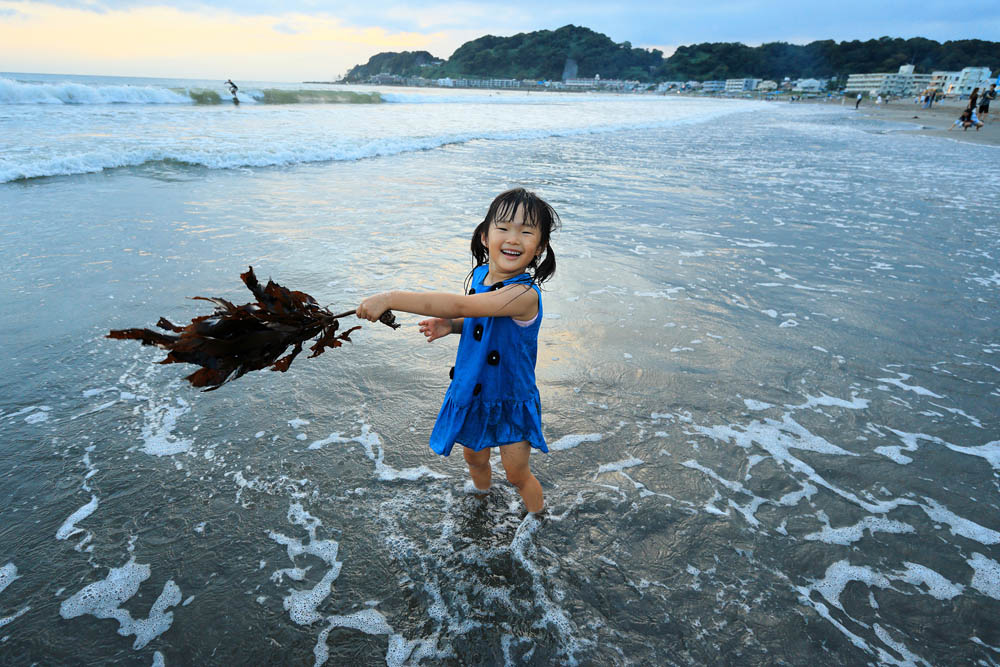
Wide-angle lenses for closeness and context
A short focal length lets you include the child’s bedroom, playground or surrounding landscape. The setting tells viewers where the photograph was taken and what the child was doing.
Do not place a wide-angle lens too close to the face. Short focal lengths can visibly distort proportions when the shooting distance is very small.
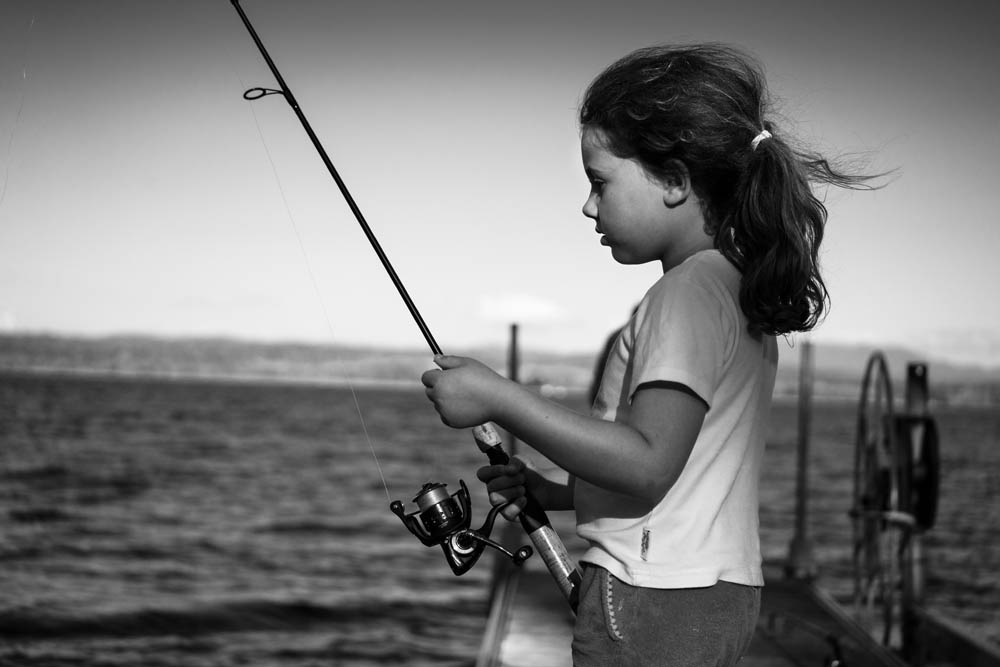
Standard focal lengths for everyday family photography
Focal lengths between roughly 35 and 70 mm look natural and are highly versatile. They work well for children at play, full-length pictures, siblings and spontaneous portraits.
A fast standard zoom is especially practical because you can change the framing quickly without interrupting the game.
For APS-C cameras, the TAMRON 17-70mm F/2.8 Di III-A VC RXD covers a versatile range from moderate wide angle to short telephoto. Its constant f/2.8 maximum aperture helps indoors and allows fast shutter speeds. The built-in VC image stabilisation reduces camera shake, but it cannot freeze the child’s movement. A sufficiently fast shutter speed remains essential for that.
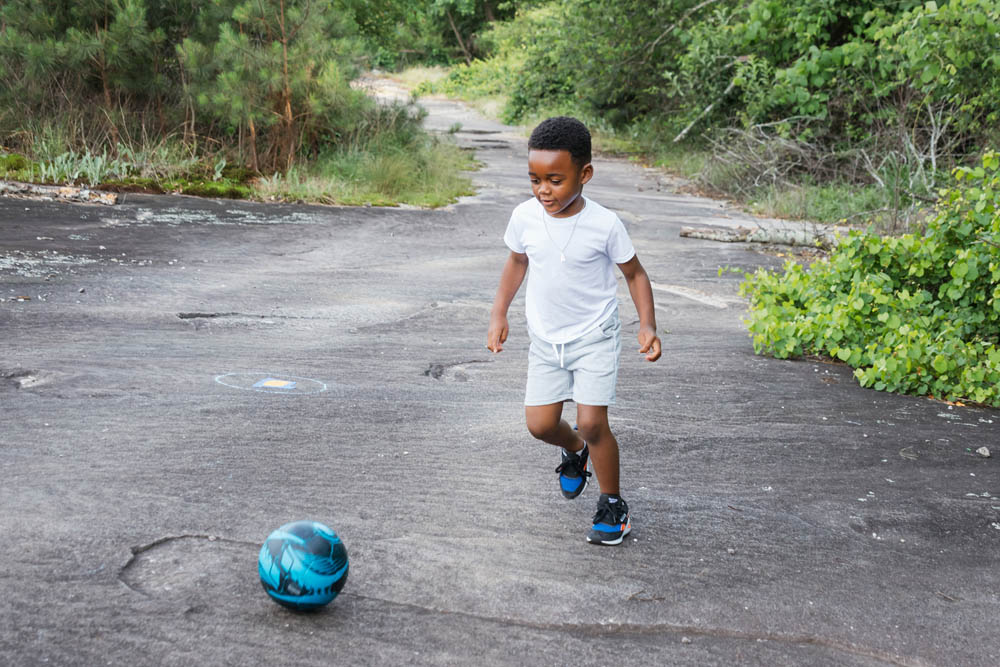
Short telephoto lenses for natural portraits
At 70 to 150 mm, you can keep a little more distance. The child will often be less aware of the camera and behave more naturally.
The narrower angle of view also helps exclude distracting backgrounds and gives the subject clear separation.
For full-frame mirrorless cameras with Sony E or Nikon Z mount, the TAMRON 28-75mm F/2.8 Di III VXD G2 is a compact standard zoom for everyday photography, family documentary work and portraits. Its fast VXD autofocus supports focus tracking with moving subjects.
The TAMRON 35-150mm F/2-2.8 Di III VXD covers an exceptionally broad range, from natural documentary images to tight portraits. It is particularly useful outdoors or during a family photo session when you need to switch quickly between wider scenes, portraits and play taking place further away.
Child photography tips for natural photos
Children do not have to look into the camera for a good photograph. Images often feel stronger when children are playing, discovering something or interacting with other people. The following tips will help you take natural photos of children without forcing them into stiff poses.
Child photography tips for natural photos
Children do not have to look into the camera for a good photograph. Images often feel stronger when children are playing, discovering something or interacting with other people. The following tips will help you take natural photos of children without forcing them into stiff poses.
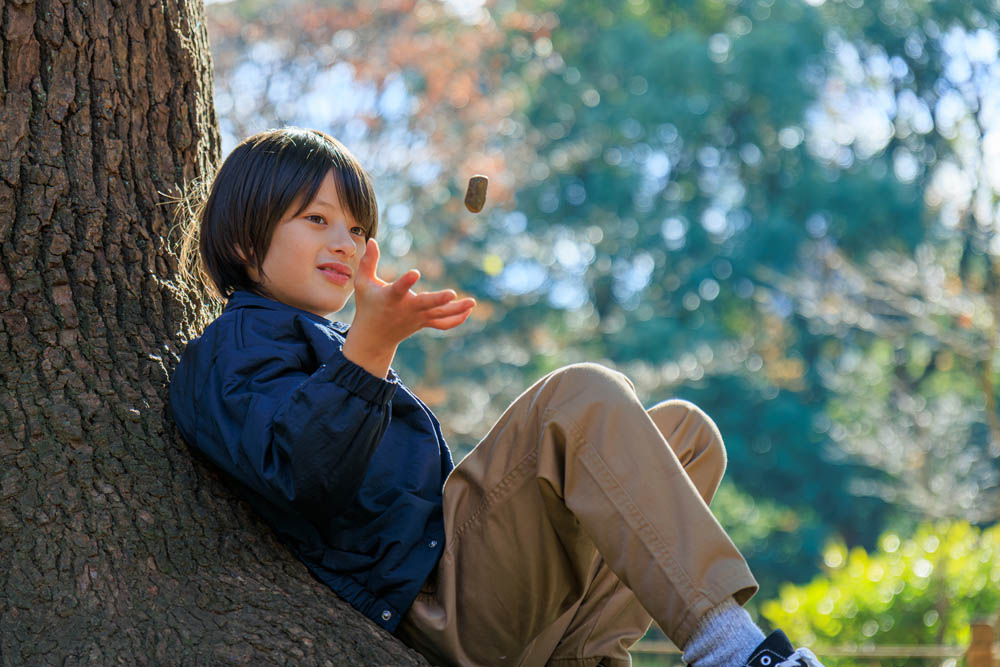
Suggest actions instead of poses
Asking a child to “smile” often produces a strained expression. Give them a small task instead:
Run to that tree and back again.
Show me how high you can jump.
Find the biggest leaf on the grass.
Who can walk towards me the slowest?
Hide behind Mum or Dad for a moment.
Tasks like these create movement, interaction and genuine reactions. Have the camera ready before giving the instruction.
Respect breaks and boundaries
Children usually make it clear when they have had enough. Do not force a photograph. A break, a change of location or the end of the session is often the best decision.
This also applies to parents photographing their own children: not every lovely moment has to be documented.
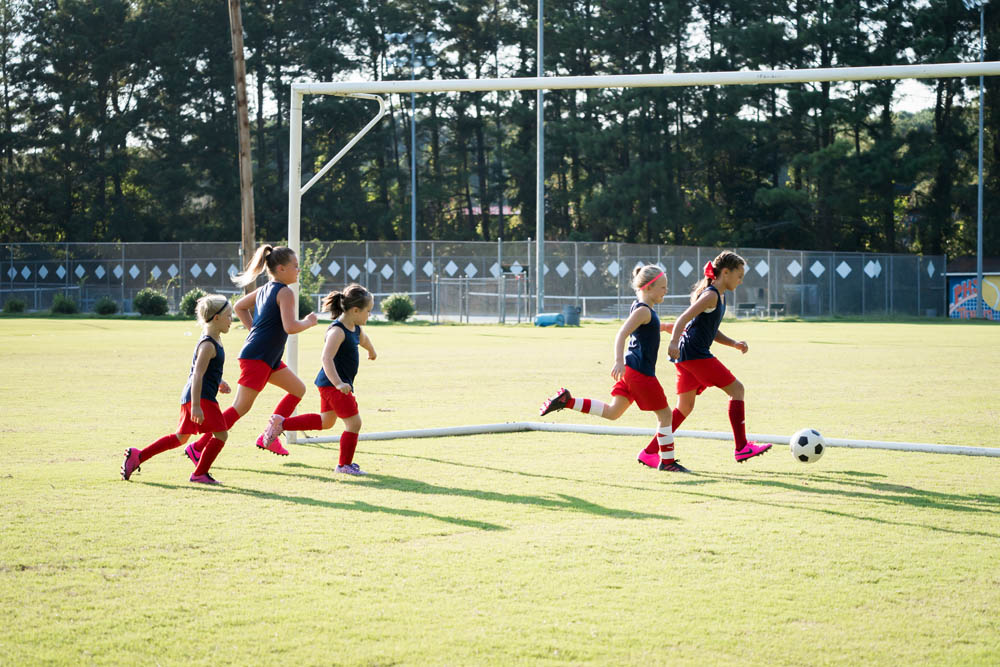
Photographing children in motion
Movement across the frame
When a child runs across the frame, the autofocus can maintain the distance relatively easily. Use around 1/800 to 1/1250 sec and follow the child smoothly with the camera.
Leave some space in front of the child in the direction of movement. This makes the composition feel less cramped.
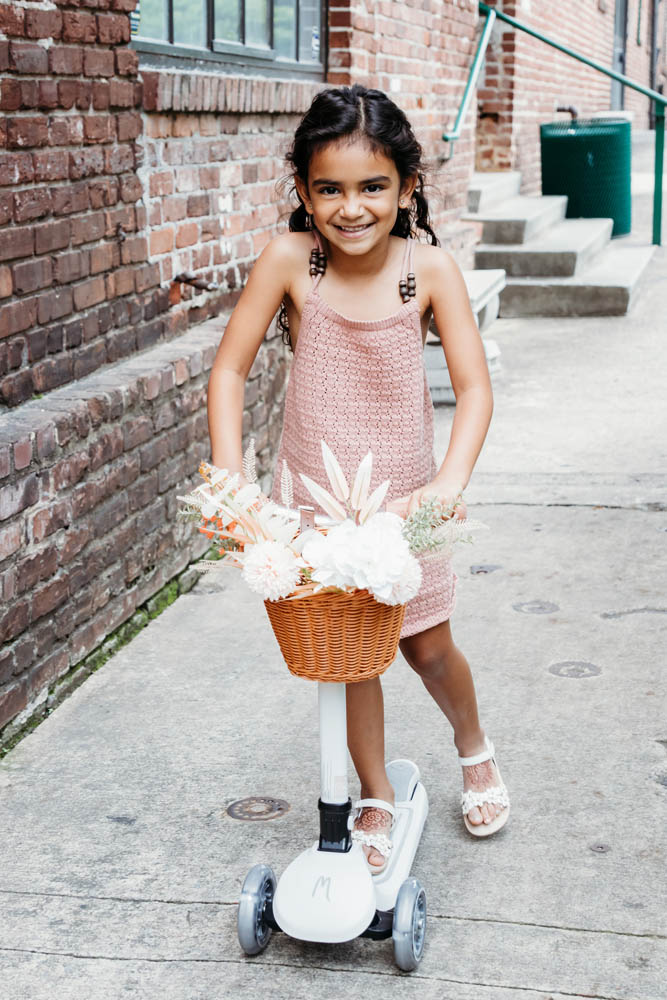
Movement towards the camera
When a child moves directly towards you, the distance changes very quickly. Enable AF-C or AI Servo, Eye AF and a fast continuous shooting rate.
Choose a slightly smaller aperture, such as f/4, to increase the depth of field. A shutter speed of 1/1000 sec is a good starting point.
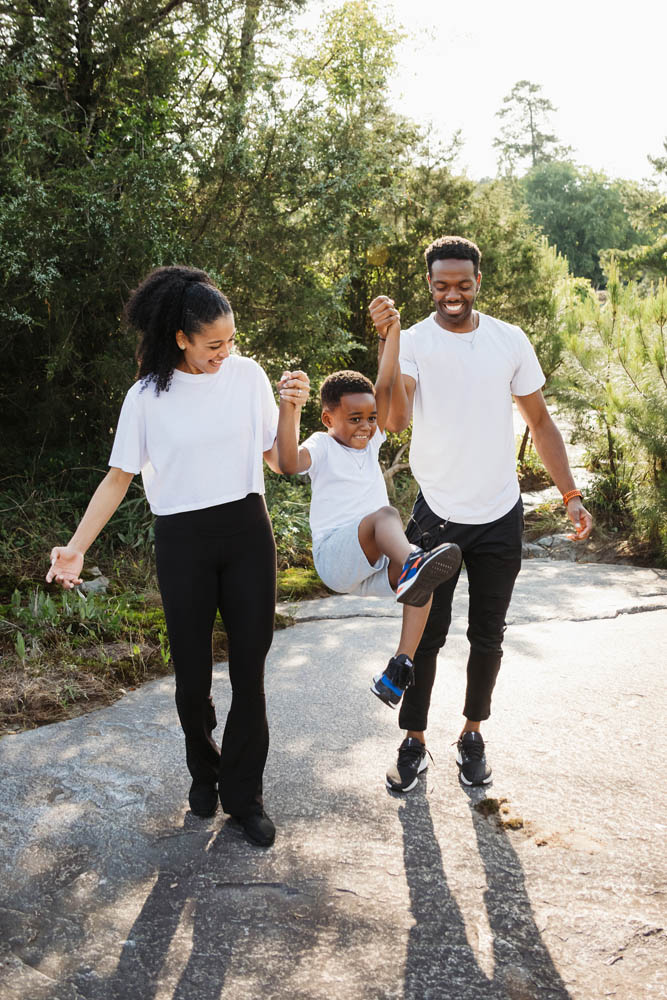
Jumping and swinging
When photographing a jump, the highest point of the movement often looks especially dynamic. Start the burst just before it so that the camera is already focused and you do not miss the decisive moment.
For a child on a swing, you can pre-focus on the highest point. Watch for chains, ropes or leaves crossing the face.
Create intentional motion blur
Not every movement has to be frozen completely. Try a panning shot at a shutter speed between roughly 1/30 and 1/125 sec.
Follow the running or cycling child smoothly with the camera and release the shutter during the movement. When the technique works, the child remains relatively sharp while the background turns into streaks of motion.
Panning takes practice, so also take a few frames with a fast shutter speed.
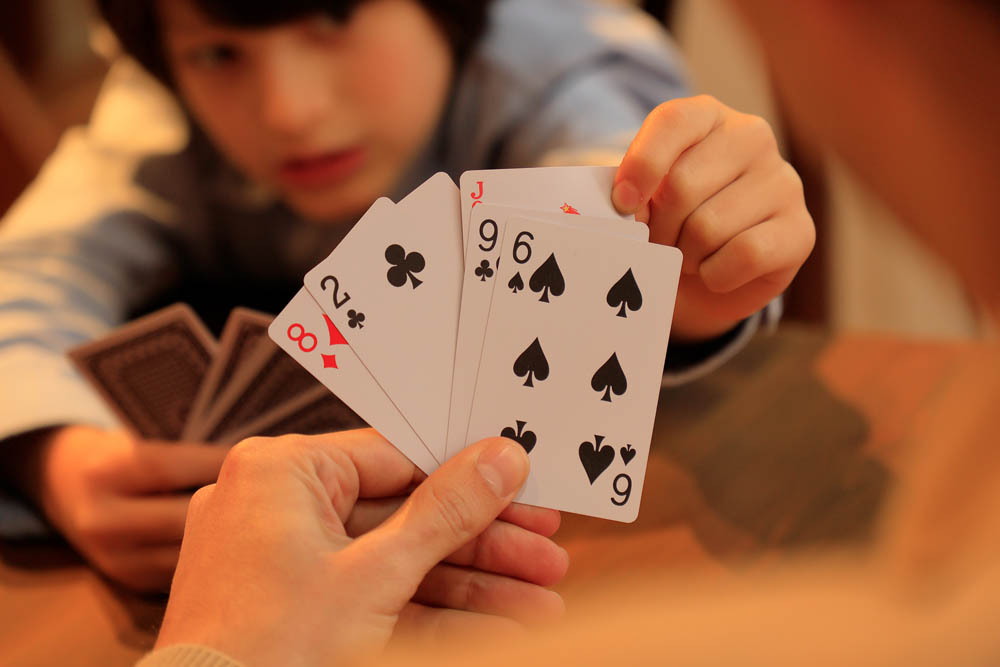
Photographing children indoors and outdoors
Indoors: use window light
A large window provides soft, natural light. Position the child side-on to the window or let them play nearby.
Avoid placing the child directly beneath a ceiling light. Mixed lighting from daylight and different artificial sources can produce unnatural skin tones.
Indoors: choose the brightest room
The child’s bedroom is not always the best location. A living room, hallway or bedroom with a large window may work better photographically.
Remove distracting objects from the background without changing the familiar environment completely.
Indoors: do not let the shutter speed become too slow
Indoors, it is tempting to use a slower shutter speed to keep the ISO low. With children, this quickly leads to blurred hands, facial features or hair.
Start at 1/250 sec for a calm child. When they are playing, 1/400 or 1/500 sec is often safer. Raise the ISO before allowing the shutter speed to fall too far.
Use flash with restraint
Natural window light usually looks more pleasing than direct on-camera flash. If you use flash, bounce it from a light-coloured ceiling or wall where possible, or use an appropriate light modifier.
Avoid harsh, surprising bursts of flash and make sure the child is comfortable with the lighting.
Outdoors: look for open shade
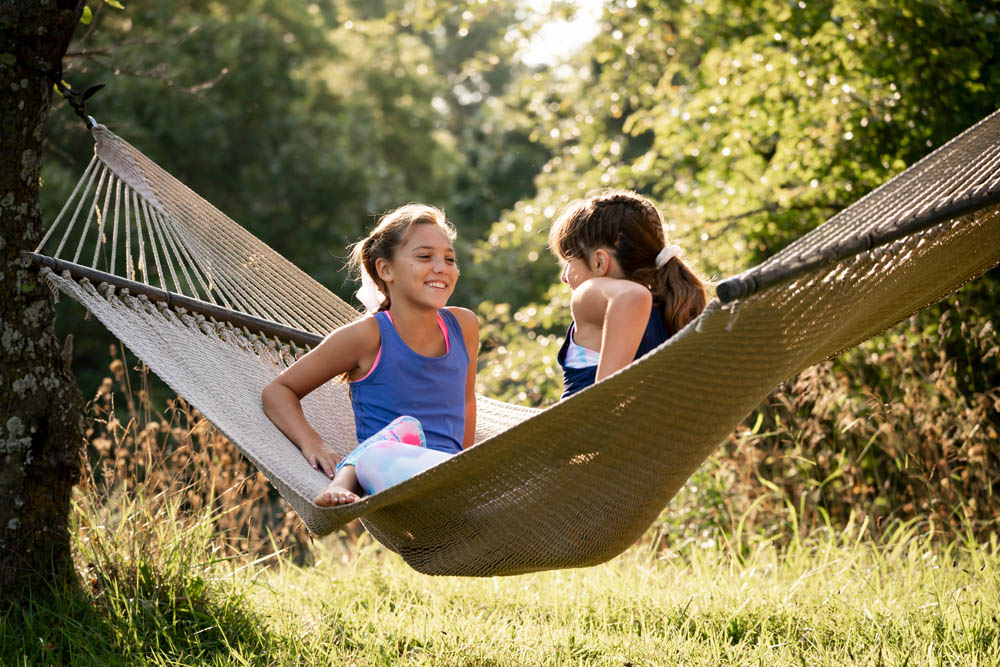
Direct midday sun creates hard shadows beneath the eyes and nose. Look for a bright area of shade, for example at the edge of a building or beneath a large tree.
Under trees, watch out for dappled light. Small patches of sunlight on the face can be much brighter than the rest of the scene.
Outdoors: use the golden hour
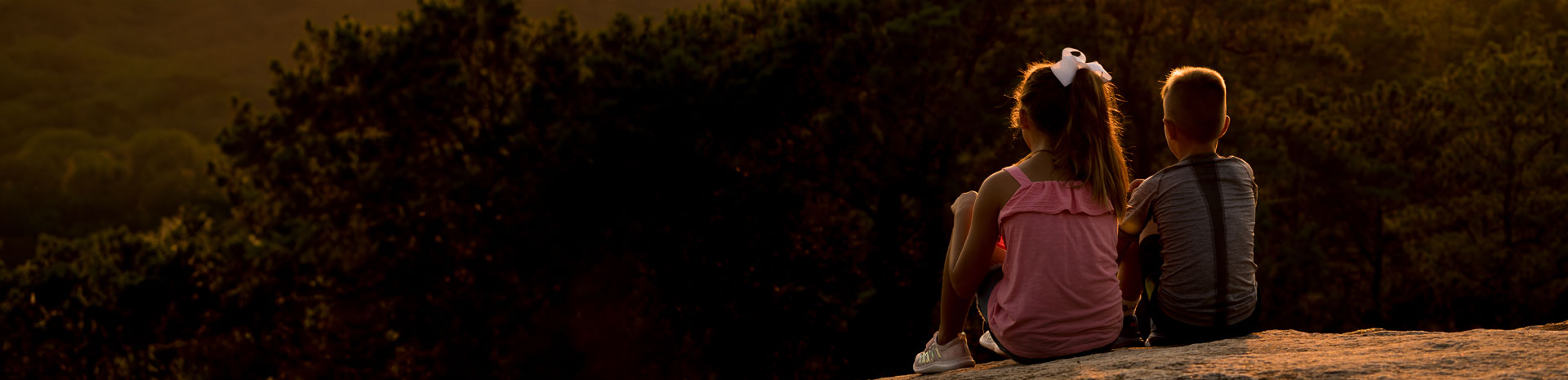
The light shortly after sunrise and before sunset is softer and warmer. It is particularly well suited to backlighting, glowing hair and atmospheric family photos.
Expose for the child’s face and check that the bright areas in the background still retain detail. Slight positive exposure compensation can help with backlit scenes.
Choose the background before positioning the child
Before taking the photo, check the background:
Do branches or lamp posts appear to grow out of the child’s head?
Are there bright or colourful objects at the edge of the frame?
Do horizontal lines run directly through the face?
Are strangers visible in the picture?
Could moving just a few steps improve your position?
A calm background often makes a bigger difference than a new camera setting.
Perspective and composition
Get down to eye level
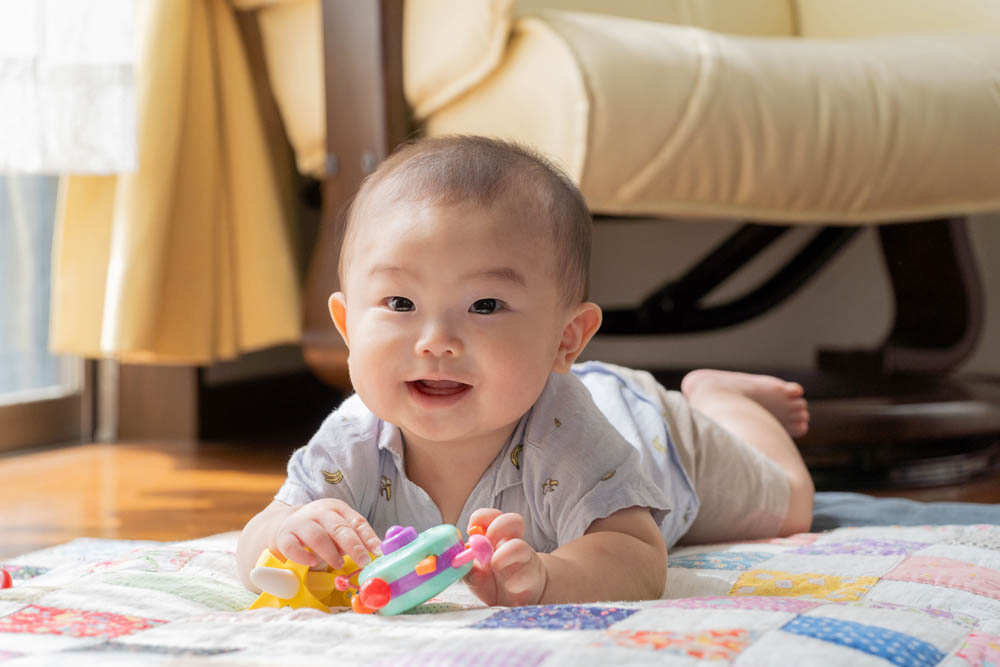
Children appear especially approachable when photographed from their eye level. Kneel, sit on the ground or use your camera’s tilting screen.
If you always shoot from above, the child appears smaller and the surroundings dominate the frame.
Alternate between close-ups and wider views
A complete photo series should contain a variety of framings:
Wide shot showing the entire setting
Full-length picture
Half-length portrait
Tight facial portrait
Details such as hands, shoes or a favourite toy
Interaction with parents or siblings
This variety tells a story instead of producing a collection of similar portraits.
Leave space in the direction of gaze and movement
If the child looks or runs to the right, leave a little more room on that side of the frame. This makes the composition feel open and natural.
A central composition can still work well when the scene is symmetrical or the child is looking directly at the camera.
Avoid distracting elements at the edge of the frame
Before releasing the shutter, briefly check the corners and edges of the viewfinder. Cropped hands, cut-off feet or bright objects can distract from the face later.
If you crop part of the body, make the framing look intentional. Avoid cropping directly at joints such as ankles, knees or wrists.
Common child photography mistakes
How to photograph children: a step-by-step guide
Choose a safe place with enough light.
Remove distracting elements from the background.
Select RAW or RAW + JPEG.
nable AF-C or AI Servo and Eye AF.
Set around 1/800 sec for children at play.
Start with an aperture between f/2.8 and f/4.
Enable Auto ISO and set an upper limit if necessary.
Choose a medium or fast continuous shooting rate.
Get down to eye level and observe the situation first.
Give the child a playful task instead of a fixed pose.
Shoot short bursts and check focus occasionally.
Vary the focal length, perspective and framing.
Stop taking photos as soon as the child wants a break.
Photos of children, consent and privacy
Photos of children are particularly personal. Photograph respectfully and, before publishing, consider whether an image could later feel embarrassing, exposing or too private.
In the UK, photos used only for purely personal or household purposes will often fall outside data protection law. Public or professional use can be different: an organisation must have a lawful basis and explain how the images will be used. Because children’s data requires particular care, parents or guardians - and, depending on age and understanding, the child - should be informed and involved. Consent may be an appropriate lawful basis in some situations, but it is not the only possible basis.
For private or professional photo sessions, a written agreement is advisable. It should clearly state:
Which images may be used
On which channels they may appear
Whether commercial use is intended
How long the usage permission applies
Whether names or other personal information may be included
Where possible, do not publish information that could reveal a child’s home, school, nursery or regular whereabouts. Legal requirements depend on the individual circumstances; this section does not constitute legal advice.
Frequently asked questions about child photography
Conclusion: take natural photos of children with these tips
Child photography requires faster reactions than a conventional portrait. A fast shutter speed, continuous autofocus, Eye AF and Auto ISO ensure that your camera is prepared for spontaneous movement.
How you interact with the child is just as important. Leave room for play, movement and genuine reactions. Use small tasks instead of rigid poses and work at the child’s eye level.
When both the technique and the situation are prepared, you can focus on what matters: the brief moment when personality, movement and expression come together.
TAMRON products mentioned in this article
35-100mm F/2.8 Di III VXD
Model A078
28-75mm F/2.8 Di III VXD G2
Model A063