
19. okt. 2026
The Perfect Photography Gear for Mountain Hiking
How to Capture Stunning Nature and Landscape Photos
Anyone who spends time in the mountains knows these special moments: after a strenuous climb, the view suddenly opens up to towering peaks, vast valleys, and unique lighting conditions. Naturally, you'll want to capture these unforgettable scenes and relive them long after your hike.
Modern smartphones now deliver surprisingly good image quality. However, if you're looking for the highest possible image quality, exceptional detail, and maximum creative freedom, a mirrorless camera offers significant advantages.
In this guide, you'll learn what to look for when choosing a camera for mountain hiking, which subjects are particularly rewarding to photograph, and how to capture breathtaking landscapes—even if you're new to photography.
Why a Mirrorless Camera Is Worth It for Mountain Hiking
Mountain environments place unique demands on your camera. Bright snowfields contrast with dark rock faces, weather conditions can change within minutes, and lighting is constantly shifting.
A high-quality mirrorless camera provides clear advantages in these situations. Thanks to its larger image sensor, it offers a wide dynamic range, preserving details in both bright highlights and deep shadows. Interchangeable lenses also give you tremendous creative flexibility—from sweeping panoramas to distant mountain peaks, wildlife, or tiny details along the trail.
This versatility makes mirrorless cameras ideal companions for demanding mountain hikes.
The Best Subjects to Photograph While Hiking
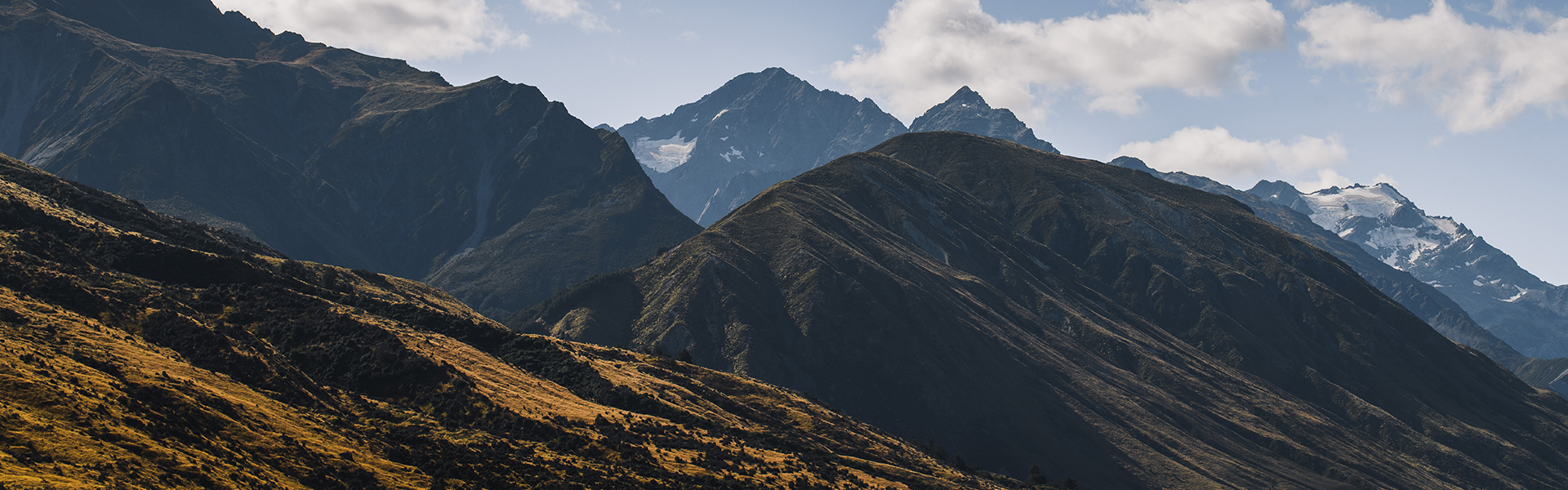
Impressive Mountain Slopes
Rock faces and steep mountain slopes tell the story of a landscape. With a capable camera, you can capture fine textures, layers of rock, moss-covered surfaces, and snowfields in remarkable detail.
These scenes are especially striking during the early morning hours or shortly before sunset. Warm, side lighting creates long shadows and beautifully emphasizes the textures of the rocks.
Pay close attention to your exposure, as mountains often present strong contrasts between brightly lit peaks and deep shadow areas.
Breathtaking Mountain Ridges
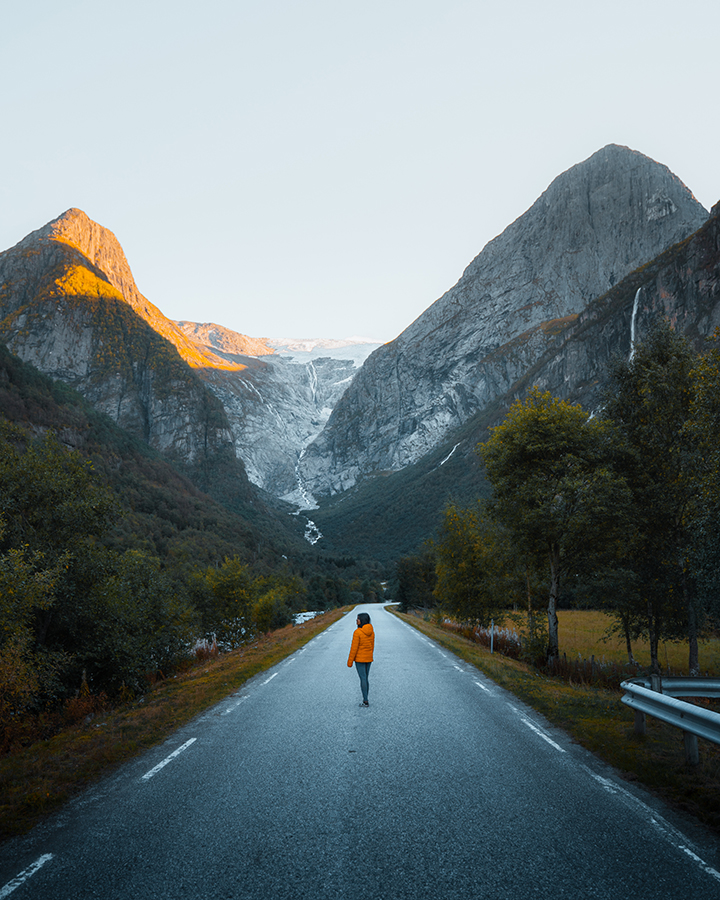
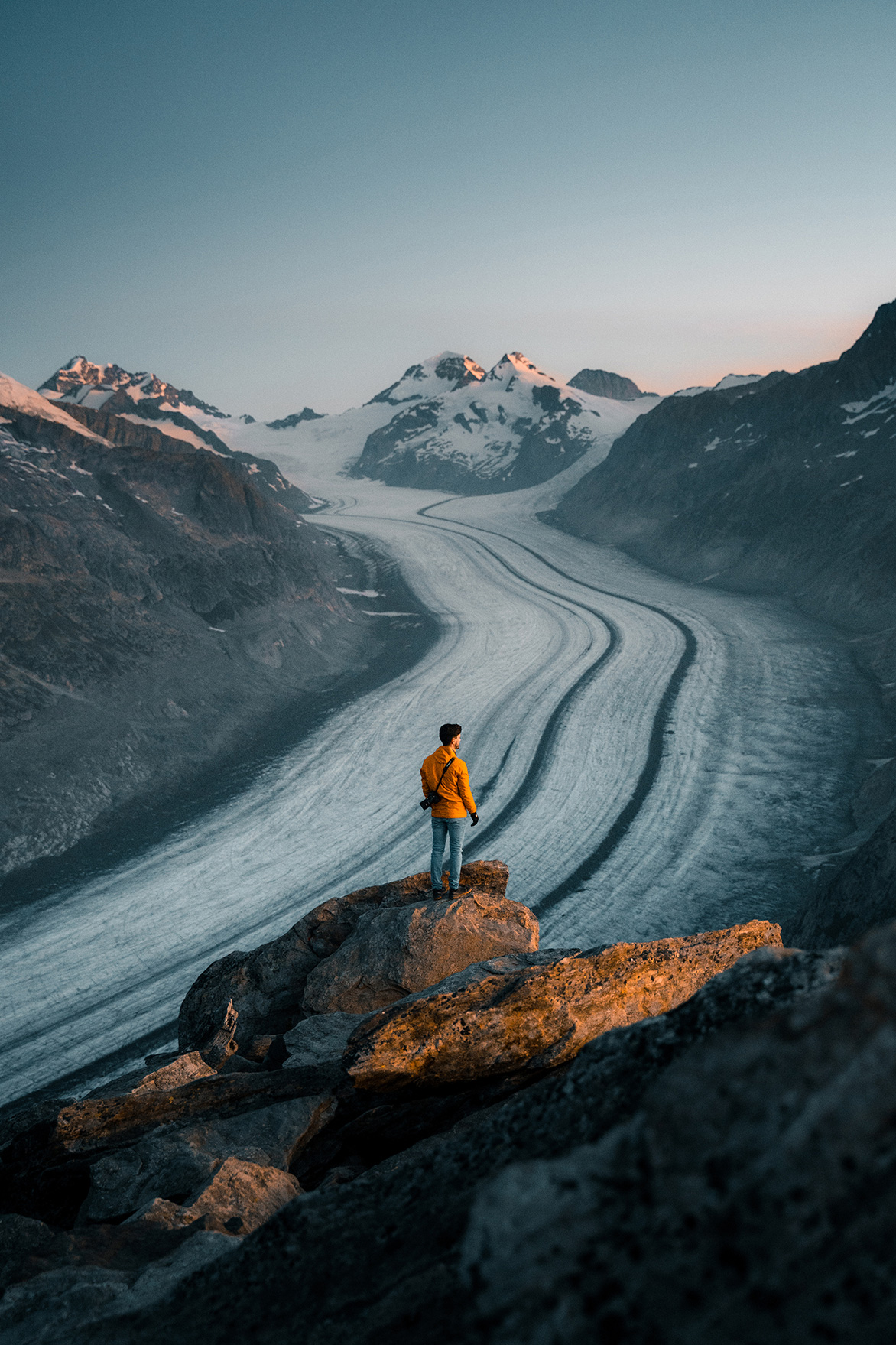
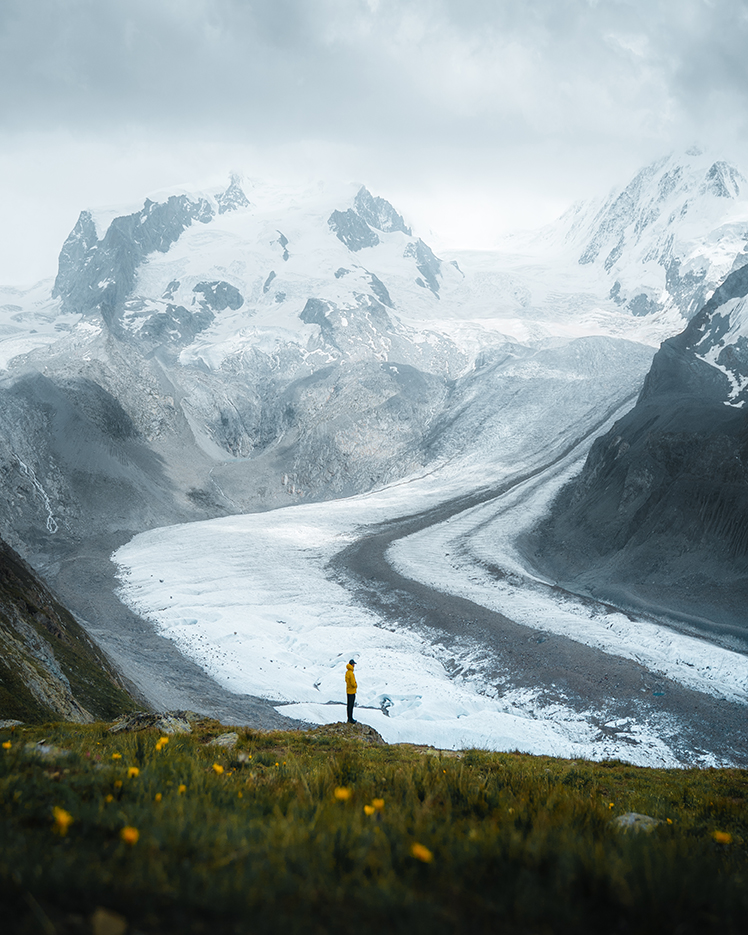
Mountain ridges are among the most spectacular subjects in alpine photography. A wide-angle lens allows you to emphasize their dramatic lines while conveying the immense scale of the landscape.
Your images become even more engaging when you include foreground elements such as rocks, alpine plants, or a hiking trail. These features add depth and create a stronger sense of perspective.
If you'd rather highlight a distant ridge or individual peaks, a telephoto lens is the better choice. It brings distant features closer and creates a more compressed, dramatic perspective.
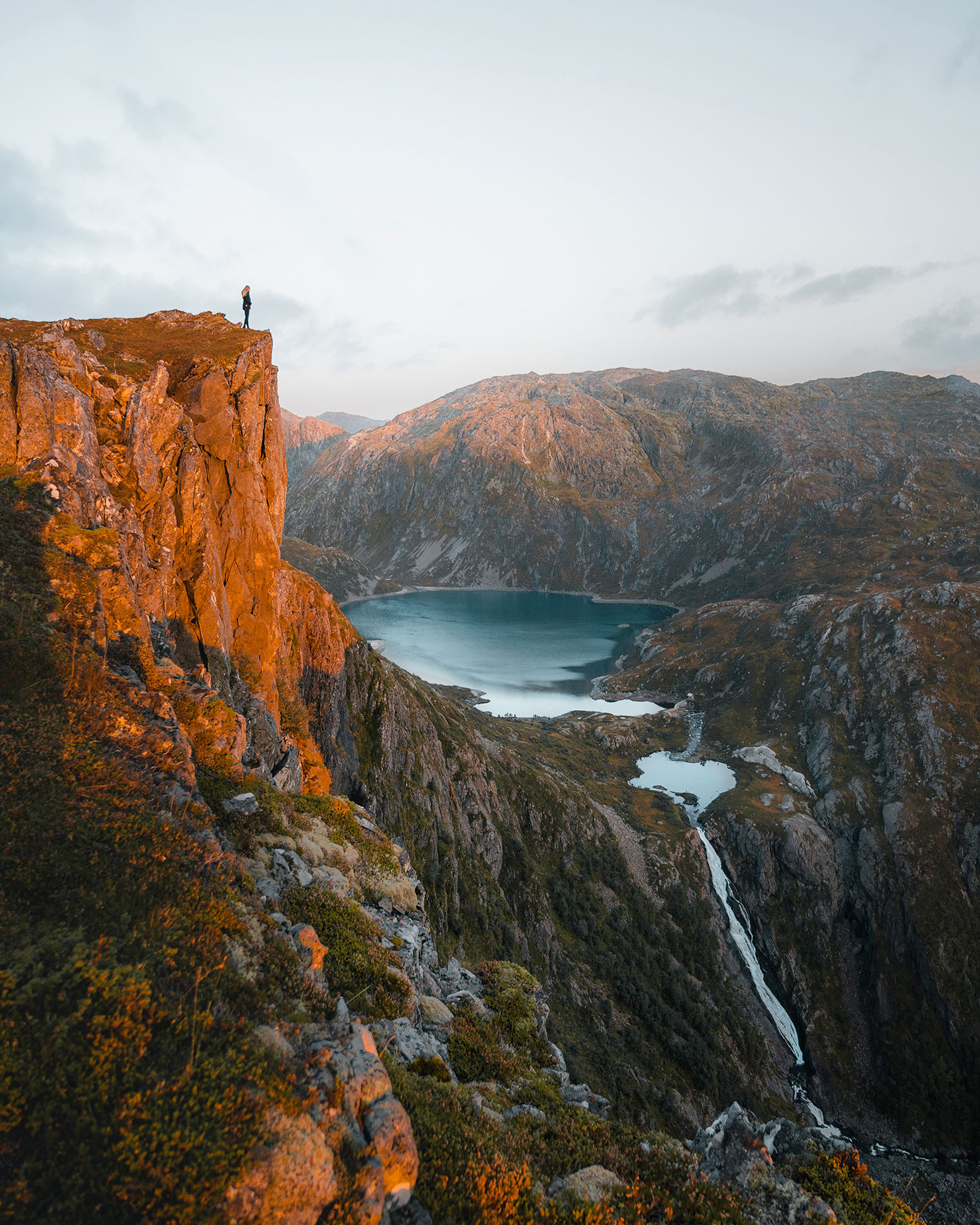
Photographing the Valley from Above
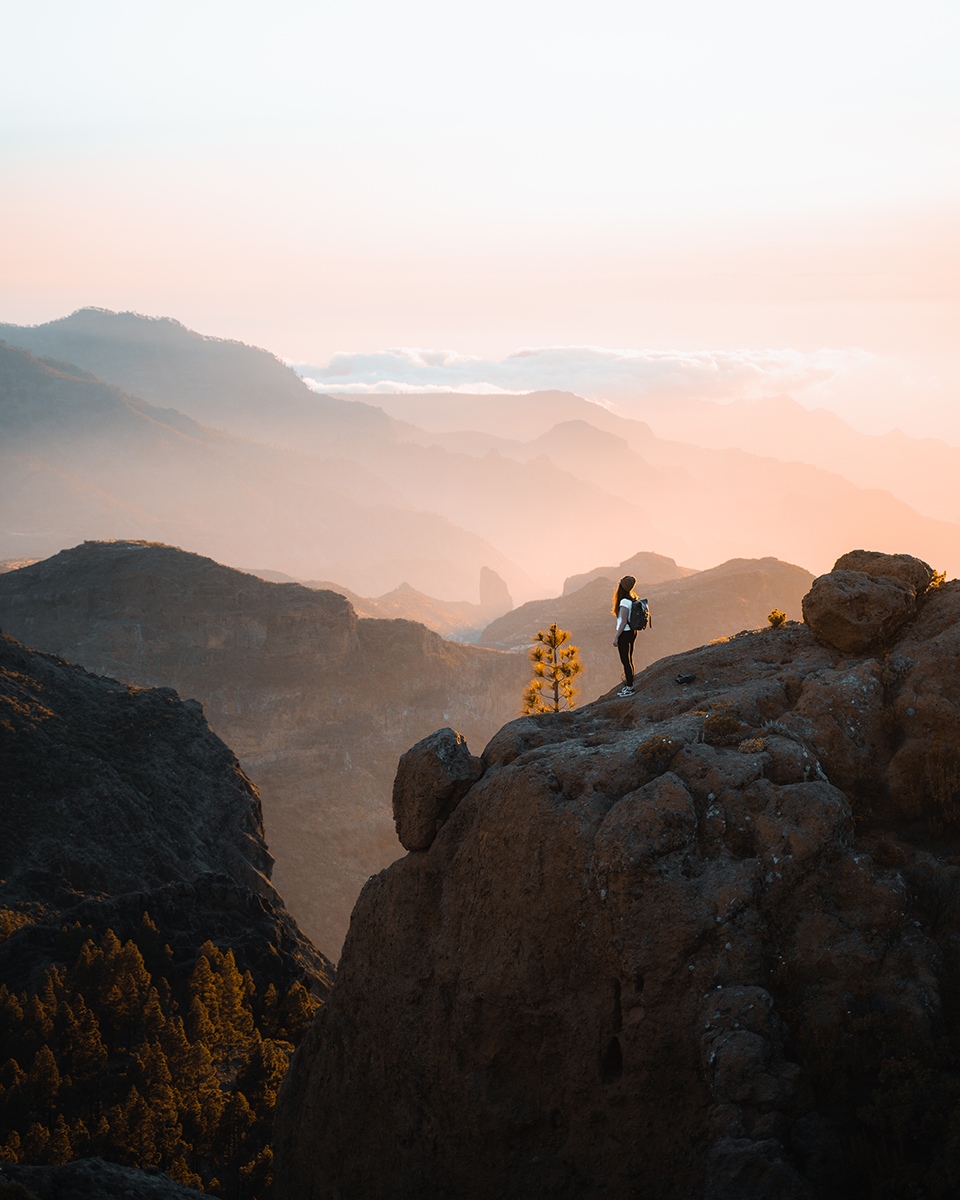
The mountain peaks themselves aren't the only fascinating subjects. Looking down into the valley reveals an entirely different perspective.
Expansive landscapes, picturesque villages, and natural patterns beautifully illustrate the relationship between people and nature. On slightly hazy days, subtle color gradients can create a calm, almost mystical atmosphere that adds depth and emotion to your images.
A telephoto lens allows you to isolate individual landscape elements and showcase them in a particularly striking way.
Capturing a Sea of Clouds
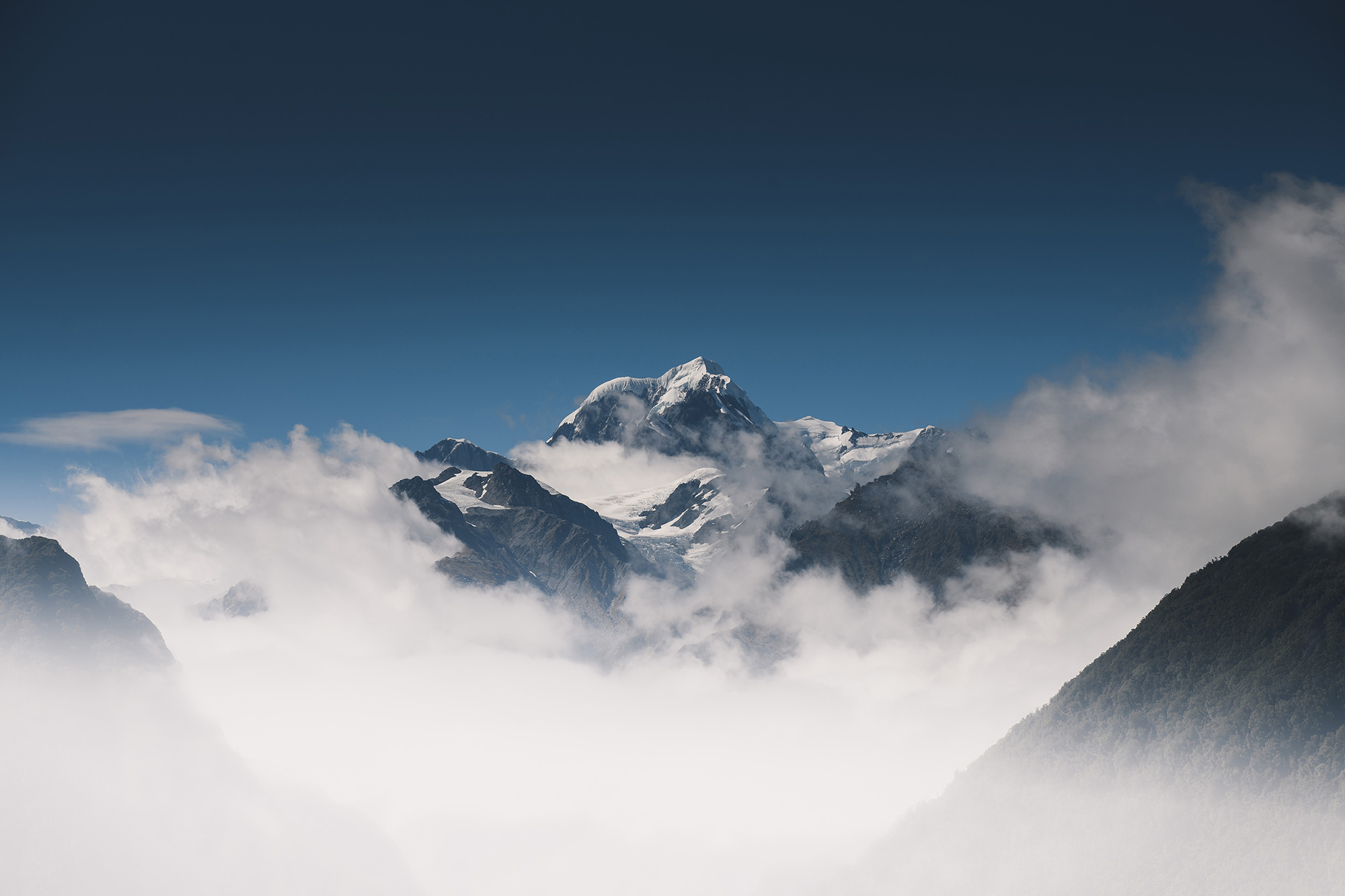
For many hikers, a sea of clouds is one of the most unforgettable mountain experiences. When isolated peaks rise above a dense blanket of clouds, the result is an exceptionally dramatic landscape.
Since clouds are constantly moving, patience is essential. Observe their movement and experiment with different compositions until the atmosphere of the landscape is perfectly captured.
Sunrise in the Mountains
Watching the sunrise from a mountain summit is one of the highlights of any hiking adventure. Photographing directly into the sun can be challenging, but it also offers unique creative opportunities.
Use exposure compensation to prevent highlights from becoming overexposed while preserving detail in the shadows. An ND (neutral density) filter can also help you control the intense light and achieve a more balanced image.
The so-called blue hour, just before sunrise, also provides outstanding conditions for atmospheric landscape photography.
Starry Skies and the Milky Way
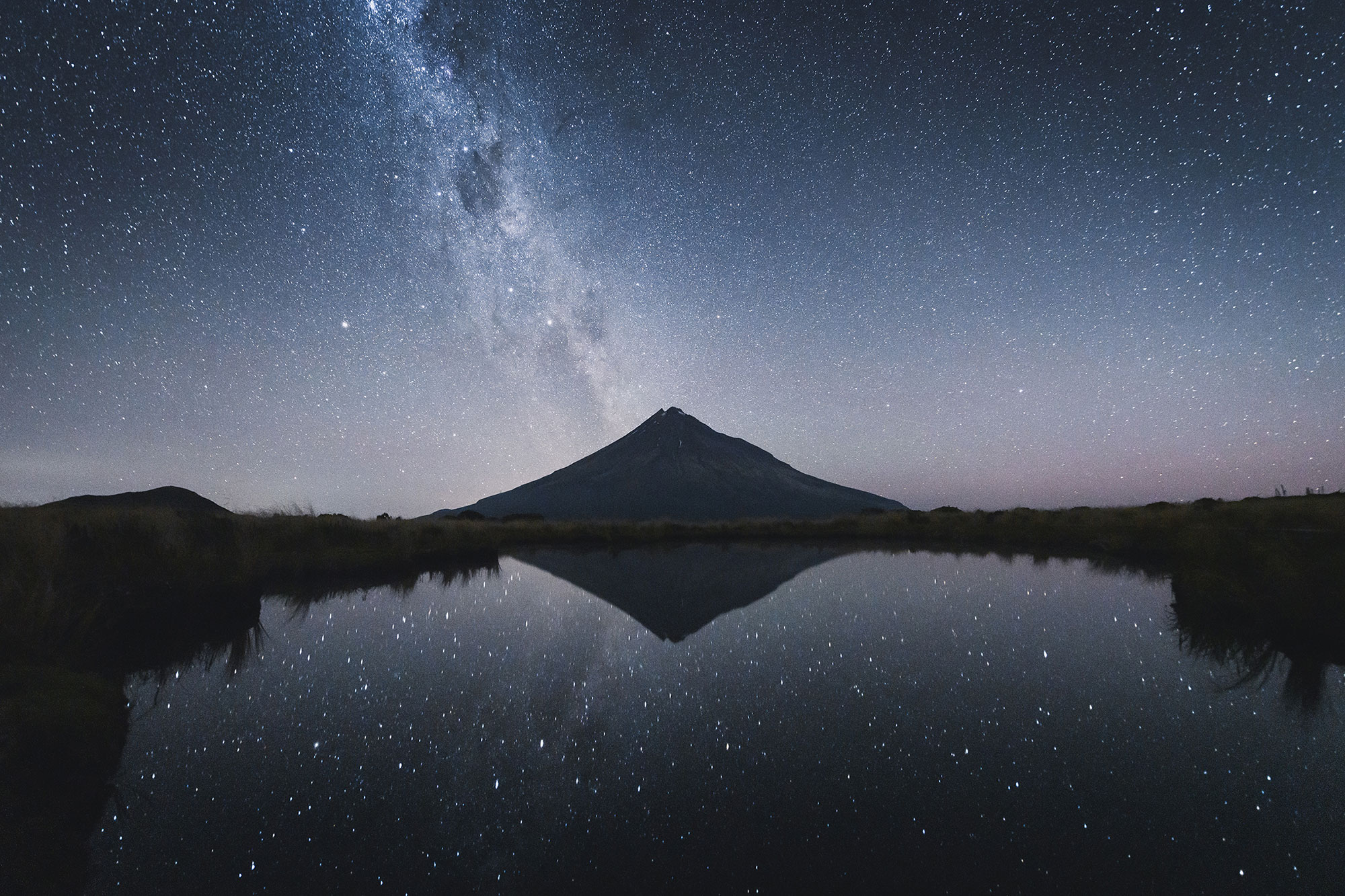
Far away from artificial light pollution, the mountains provide ideal conditions for astrophotography. With a sturdy tripod and longer exposure times, you can capture breathtaking images of the night sky.
Under clear conditions, it's even possible to photograph the Milky Way. One particularly creative technique is star trail photography, where the apparent movement of the stars creates beautiful circular light trails across the sky.
Preparation is essential: fully charge your batteries, check your camera settings before heading out, and choose a night with the clearest possible weather conditions.
Choosing the Right Camera and Lens for Mountain Hiking
If you regularly photograph in the mountains, think of your camera and lens as a single system. Both should deliver excellent image quality while remaining lightweight, durable, and reliable. After all, you'll often carry your gear in your backpack for many hours while facing changing weather conditions.
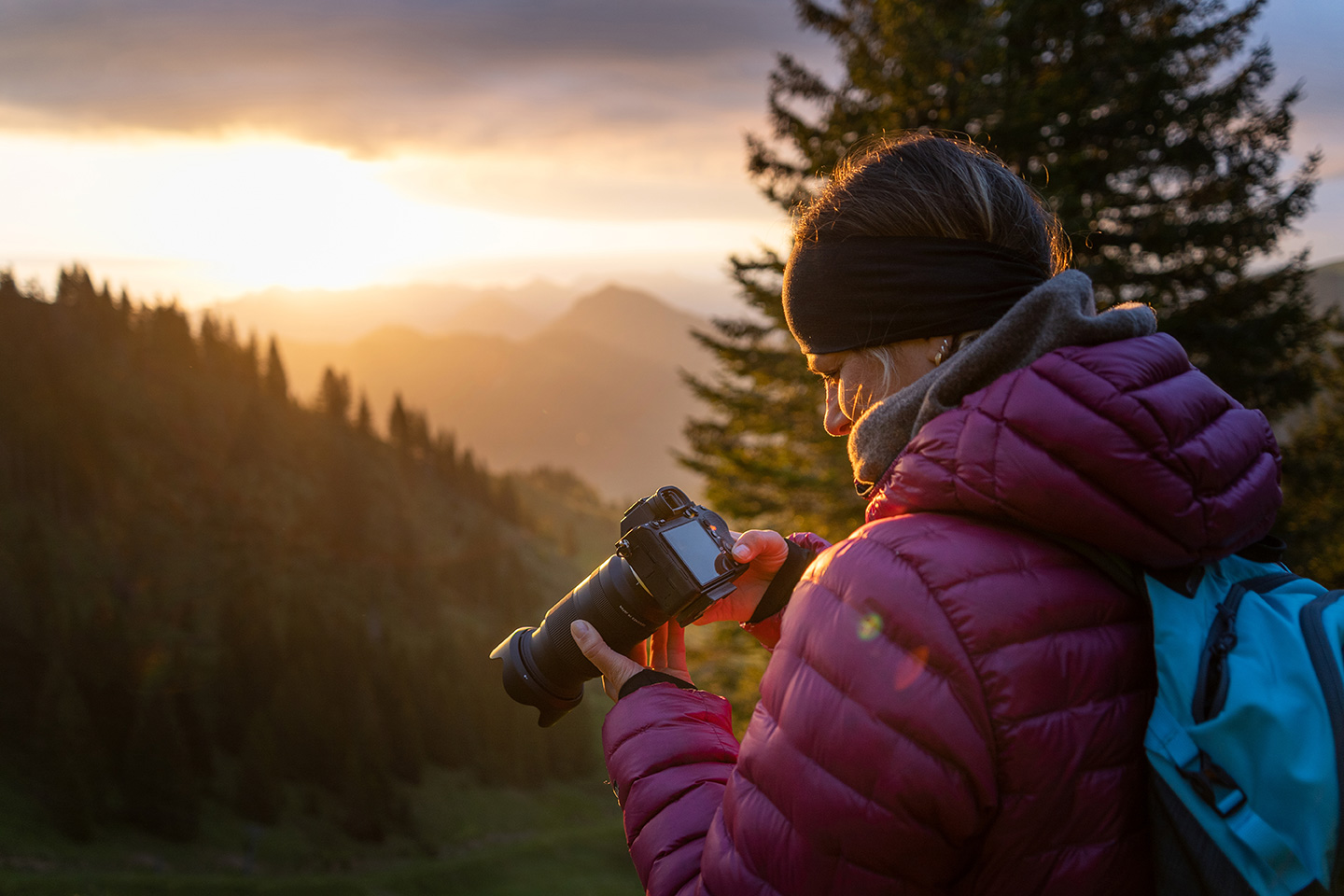
Start by Considering What You Want to Photograph
Before choosing a camera, think about the types of subjects that matter most to you.
Do you want to capture sweeping mountain panoramas, photograph delicate alpine flowers, or take pictures of wildlife from a distance? Different subjects require different camera and lens characteristics.
If you also plan to shoot video, fast autofocus and reliable image stabilization become especially important. For astrophotography, cameras with larger sensors generally perform better in low-light conditions.
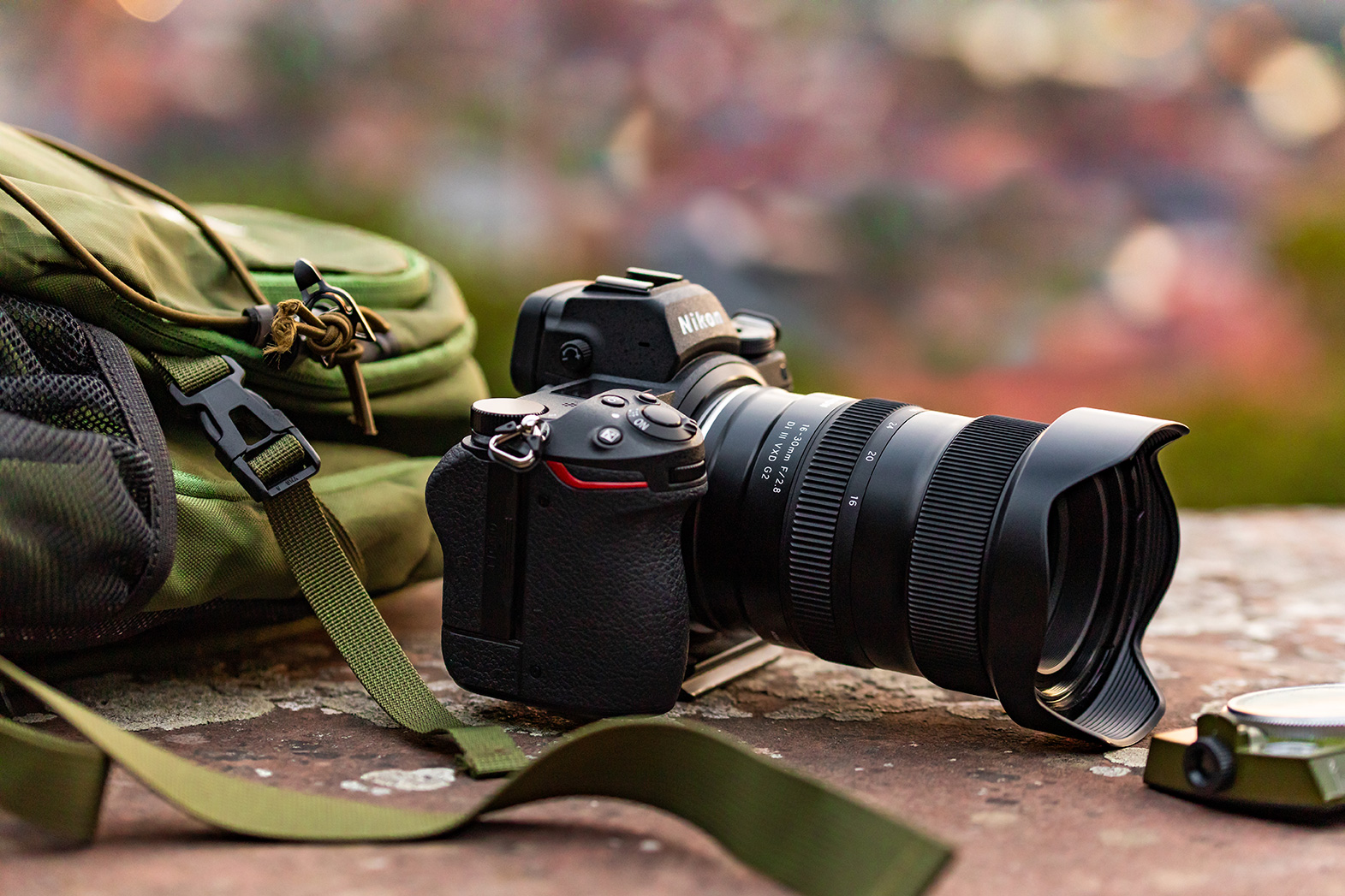
Choosing the Right Camera
Mirrorless cameras are now the preferred choice for hiking. They combine outstanding image quality with relatively low weight while offering maximum flexibility through interchangeable lenses.
When it comes to sensor size, there are two excellent options:
Full-frame cameras deliver the highest image quality and perform exceptionally well in challenging lighting conditions, such as sunrise photography or astrophotography.
APS-C cameras offer an excellent balance between image quality, weight, and affordability, making them an ideal choice for many hikers.
Weight and Weather Resistance
When hiking in the mountains, every gram counts. That's why you should choose not only a compact camera but also lightweight lenses. A portable setup is far more likely to accompany you on every hike and will always be within easy reach when the perfect photo opportunity arises.
Weather sealing is equally important. Rain, fog, and dust are simply part of the mountain environment. A weather-sealed camera body paired with a similarly protected lens ensures that your equipment remains reliable even under changing conditions.
Image Quality and Ease of Use
Make sure your camera delivers clean images at high ISO settings while maintaining natural color reproduction. If you intend to print your photos in large formats, a higher sensor resolution can also be beneficial.
Ease of use is just as important. Large buttons, conveniently positioned control dials, and smooth focus and zoom rings make photography much easier—especially when wearing gloves or when lighting conditions change within seconds.
Choosing the Right Lens
The lens has a decisive influence on the overall look of your photographs.
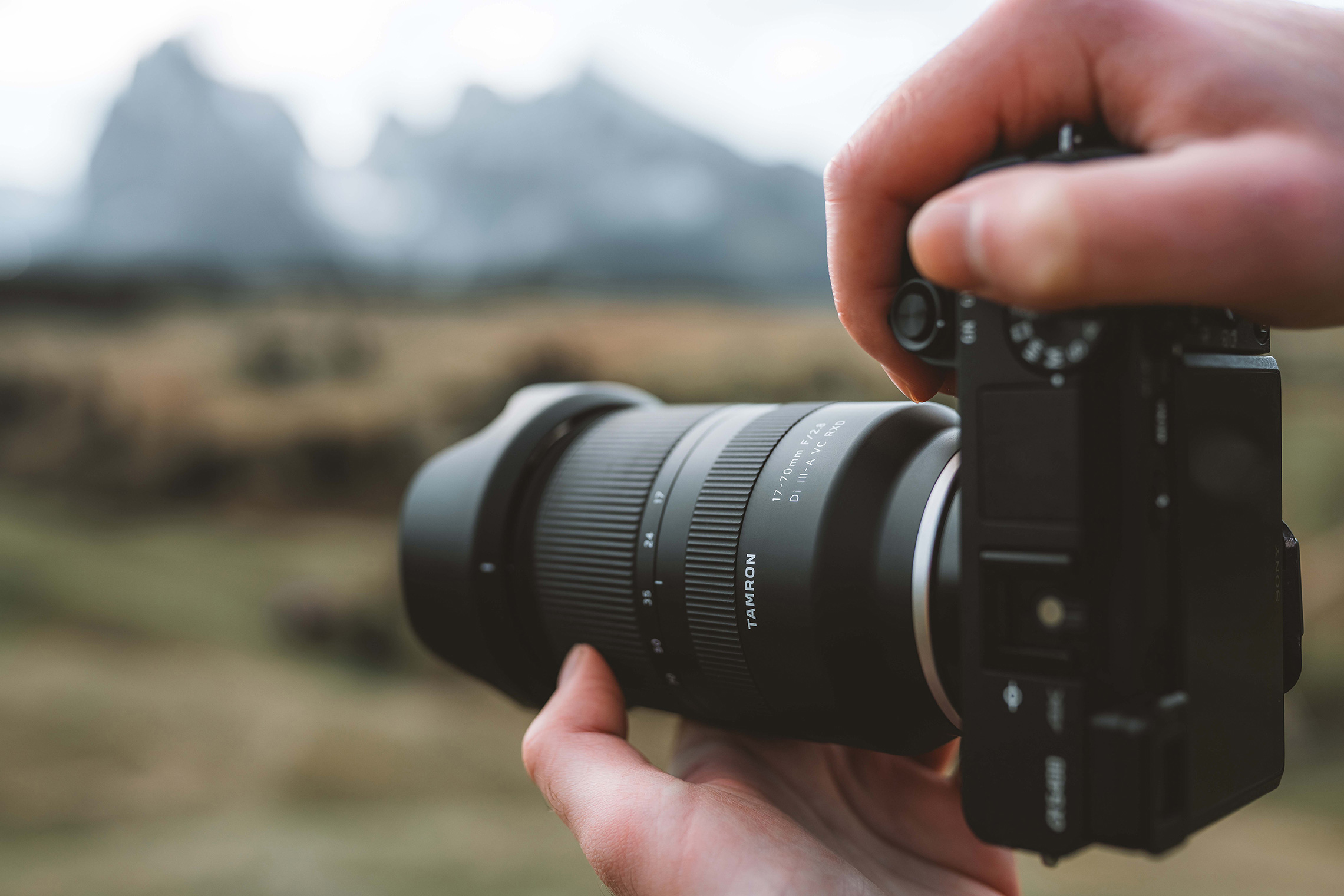
Wide-angle lenses are ideal for capturing expansive mountain panoramas and conveying the vastness of the landscape. Standard zoom lenses are versatile all-rounders, well suited for landscapes, mountain huts, and portraits. Telephoto lenses excel when you want to fill the frame with distant peaks or photograph wildlife from afar.
If you prefer maximum flexibility while hiking, an all-in-one travel zoom is an excellent choice. It covers a broad focal length range and minimizes the need to change lenses—a major advantage in windy, dusty, or unpredictable weather conditions.
Also pay attention to a lens's maximum aperture, optical sharpness, autofocus performance, and image stabilization. Since many mountain photographs are taken handheld, these features can make a significant difference.
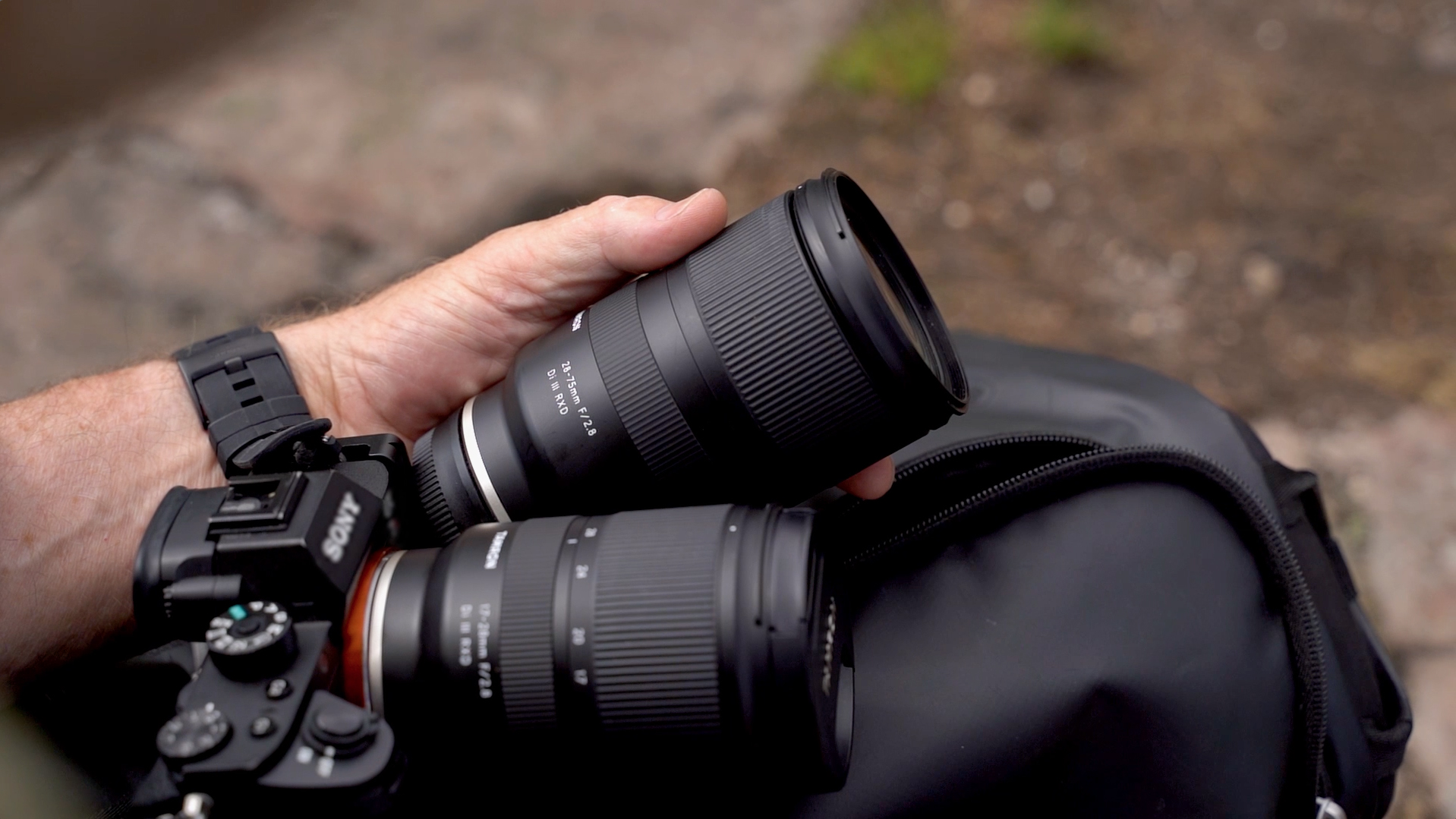
Essential Accessories for Mountain Photography
Besides your camera and lens, the right accessories play an important role in ensuring you're well prepared for every hike. They protect your equipment, improve carrying comfort, and help you capture high-quality images even in demanding conditions.
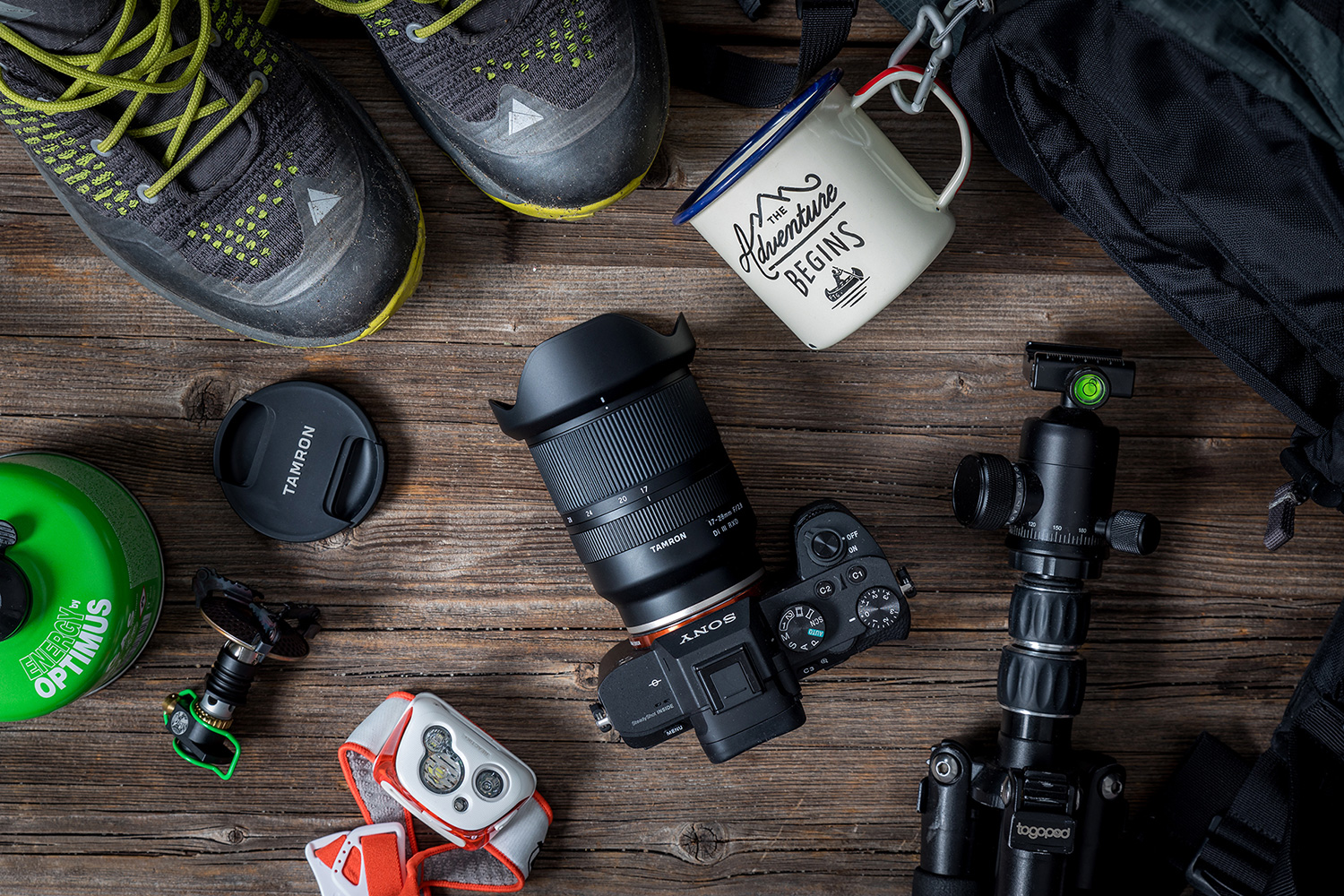
A Dedicated Camera Backpack
A good camera backpack keeps your gear secure while allowing quick access whenever a photo opportunity presents itself. Models with a separate camera compartment protect your camera and lenses from impacts and make transportation much easier.
Backpacks that provide side or rear access to the camera compartment without requiring you to remove the entire backpack are particularly practical. This allows you to react instantly when an unexpected subject appears.
Look for comfortable shoulder straps, excellent back padding, water-resistant materials, and an integrated rain cover for additional protection.
A Tripod for Landscapes and Night Photography
A sturdy tripod is an essential piece of equipment for many landscape photographers. It enables sharp images during long exposures and is indispensable for sunrise, sunset, and astrophotography.
Since every extra kilogram matters on a mountain hike, a lightweight travel tripod made of aluminum or carbon fiber is highly recommended. For occasional use, a compact tabletop tripod can also be a practical alternative, particularly on rocky terrain or where space is limited.
Don't Forget Spare Batteries
Most hiking routes offer no opportunity to recharge your batteries. Always carry at least one fully charged spare battery with you.
Cold temperatures significantly reduce battery performance. Keep spare batteries close to your body so that your body heat helps maintain their capacity.
Many modern cameras can also be charged via USB-C, making a compact power bank an excellent addition, especially on multi-day hiking trips.
Bring Enough Memory Cards
Nothing is more frustrating than running out of storage space halfway through a hike. High-resolution RAW files and video footage can quickly consume several gigabytes.
Carry multiple high-speed memory cards with you. Instead of relying on a single large card, it's often safer to use several smaller ones. If one card becomes damaged or lost, you won't lose all of your images.
Conclusion: The Right Equipment Supports Your Creativity
The mountains offer an endless variety of photographic opportunities—from spectacular summit panoramas and atmospheric sunrises to breathtaking star-filled skies. With a lightweight mirrorless camera, a suitable lens, and thoughtfully selected accessories, you'll be well equipped for almost any adventure.
Ultimately, however, the best camera is not necessarily the most expensive one—it's the one that accompanies you on your hikes. When you know your equipment well, consciously work with light, perspective, and composition, and take the time to appreciate each scene, you'll create photographs that are not only technically impressive but also authentically capture the unique atmosphere of the mountains. These are the images that allow you to relive every hiking adventure long after you've returned home.
